





| SKU: | 2765 |
|---|---|
| Generic For: | Finacea Gel |
| Active Ingredient: | Azelaic acid |
| Marketed By: | Micro Labs, India |
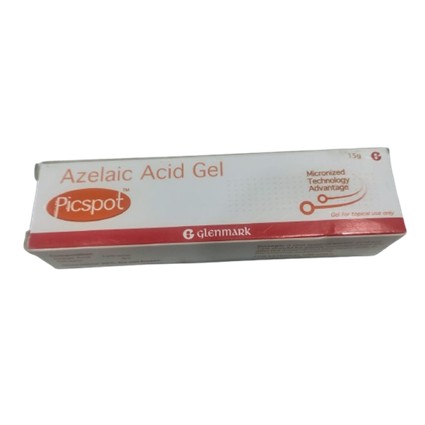
Aziderm Gel 15% (Azelaic Acid) – 15gm Tube | Finacea Gel Alternative
Aziderm gel 15% is a prescription topical treatment of inflammatory papules (red bumps) and pustules (white or yellow pus-filled bumps) and erythema of mild to moderate rosacea. It contains the active ingredient Azelaic acid, a well-established anti-acne pharmaceutical agent known for effectively targeting the causes of acne. The accumulation of excess oil, clogged skin pores, bacterial growth, and skin inflammation generally leads to acne. Azelaic acid formulations address these issues, making treatment suitable for long-term use under a dermatologist's guidance. Azelaic acid is a gentle yet effective solution that reduces the growth of acne-causing bacteria on the skin, thereby lowering the risk of new breakouts. The anti-inflammatory properties of this agent help reduce redness, swelling, and irritation commonly associated with rosacea. Aziderm gel helps keep skin pores clearer by reducing this buildup. Consistent application for the prescribed period provides visible improvement that develops gradually over several weeks. When combined with a simple, good skincare routine and appropriate sun protection, Aziderm gel 15% can become a valuable part of yoru rosacea treatment plan for achieving healthier-looking skin.
Manufacturer: Aziderm gel 15gm is manufactured and marketed by Micro Labs Limited, an Indian pharmaceutical company well known for manufacturing a broad range of prescription medicines across therapeutic areas.
AllDayChemist offers genuine Aziderm gel at affordable prices, delivered to your doorstep, sourced directly from authorised and licensed distributors. Consult a dermatologist to treat your skin concern and access a wide range of acne medicines.
Instructions for safe use of Azelaic Gel
Aziderm gel is contraindicated in people with a history of hypersensitivity to Azelaic acid, propylene glycol, or any other ingredients in the formulation. The safe use of this gel preparation in paediatrics has not been established. Aziderm gel is for topical use and not for ophthalmic, oral, or intravaginal use. Since the product has not been well studied in patients with dark skin, these patients should discontinue use and receive appropriate treatment. Contact with the eyes, nose, and mouth should be avoided. If sensitivity or severe irritation develops with Aziderm gel, the treatment should be stopped immediately and appropriate treatment initiated. You should report any abnormal changes in skin colour to the dermatologist. Avoid using occlusive dressings or wrapping the treated skin area.
Excessive use of medication should be avoided. Mild dryness or skin peeling is normal at the start of treatment. If these effects persist, you may reduce the application frequency after consulting your dermatologist. Do not use harsh exfoliants, abrasive scrubs, alcohol-based toners, astringents, or other potentially irritating skincare products on the Azelaic acid-treated skin unless approved by the dermatologist. Those women who are pregnant or breastfeeding should use Aziderm gel only on medical advice. Be sure to keep the Aziderm gel tube out of children's reach and store it as directed by the dermatologist. Never share your medicine with others, even if they have the same skin issues to deal with. If you develop severe irritation, swelling, signs of an allergic reaction, or blistering, discontinue use and seek immediate medical help.
Potential side effects of Azelaic Gel
Like most topical pharmaceutical agents, Aziderm gel may cause side effects in some users, though many people tolerate it well. Aziderm gel may cause irritant reactions at the site of application in human research studies. Local skin irritation (burning, itching, occasional reddening and scaling) may occur, usually at the start of treatment. In most cases, the symptoms of irritation are mild and generally resolve during treatment. Rarely, an allergic reaction such as a severe rash may occur to Azelaic acid or any of the non-medicinal ingredients. Mild side effects may require adjusting your skincare routine. Using Azelaic acid gel as prescribed and avoiding unnecessary skin irritants can help minimise unwanted effects while allowing you to continue treatments safely and effectively.
Proper application of Azelaic Gel
Aziderm gel should only be used under a dermatologist's supervision. Before application, the skin should be washed thoroughly and patted dry with a soft towel. Cleanse the affected skin area with a very mild soap or cleanser. Squeeze a small amount of the gel onto your fingertips to spread it evenly over the affected skin area. A thin layer of gel should be applied twice a day, in the morning and evenings, to the entire affected skin area and massaged gently into the skin. It is important to continue using the gel formulation throughout the treatment period. If skin irritation occurs, reduce the amount of gel used at each application and decrease the frequency of use to once daily until the skin irritation completely resolves. If required, the topical treatment should be disrupted for a few days.
The duration of treatment varies from one individual to another and depends on the severity of the skin condition. Significant changes are noticeable after 4 to 8 weeks of acne therapy. Non-medicated cosmetics or cosmetics free of substances causing acniform eruptions or irritations may be used after application of Azelaic acid gel. Avoid using alcoholic cleansers, astringents, tinctures, abrasives, and peeling agents.
The hands should be thoroughly washed after applying 15% Aziderm gel. Cosmetics may be applied after the gel formulation has dried. Skin irritation may occur during the initial days of the treatment. If irritation is excessive or persists, discontinue use of the gel and consult a dermatologist. Also, avoid foods and beverages that may trigger erythema, flushing, or blushing. Such foods include spicy foods, hot drinks, and alcoholic beverages. You can use a gentle moisturiser if your skin feels dry. Continue to use the gel formulation regularly, even if improvement appears gradual. Avoid stopping the medication without consulting a dermatologist, as consistent use is essential to achieve the best outcome.
What is Aziderm Gel 15% and what is it used for?
Aziderm Gel 15% is a prescription topical gel used to treat mild to moderate rosacea — a common skin condition that causes redness, bumps, and pustules mainly on the face. Its active ingredient is azelaic acid, a naturally occurring compound with antibacterial and anti-inflammatory properties. Azelaic acid reduces the number of inflammatory papules (red bumps) and pustules associated with rosacea while calming the redness that comes with flare-ups. Manufactured by Micro Labs Ltd. in India, Aziderm Gel 15% is the generic equivalent of brand-name Finacea Gel and works identically in the body at a significantly lower cost. It is for use on the face only.
How does Aziderm Gel 15% work on rosacea-prone skin?
Aziderm Gel 15% works through two key actions powered by its active ingredient, azelaic acid. First, it has antibacterial properties that target and reduce the growth of skin bacteria linked to rosacea breakouts. Second, it has anti-inflammatory properties that help calm the redness, swelling, and irritation that come with rosacea flare-ups. Azelaic acid also helps keep skin pores clearer by reducing the buildup of debris that can trigger inflammation. Unlike some rosacea treatments, it works gently on the skin and is generally well tolerated with continued use. The full mechanism by which azelaic acid controls rosacea is still being studied, but its effectiveness in clinical trials is well established.
How long does Aziderm Gel 15% take to work on rosacea?
Aziderm Gel 15% typically takes 4 to 6 weeks of twice-daily use before visible improvement is noticed. In clinical trials, most patients with mild to moderate rosacea saw a meaningful reduction in inflammatory papules and pustules after 12 weeks of consistent treatment. Some patients notice early improvements in redness and skin texture within the first few weeks. Results develop gradually, so it is important to keep applying the gel as directed even if improvement seems slow at first. Stopping early is one of the most common reasons treatment does not produce the best results. Your dermatologist will usually review progress at 12 weeks to assess whether treatment should continue.
How do I use Aziderm Gel 15%, and how often should I apply it?
Aziderm Gel 15% should be applied to the affected areas of the face twice daily — once in the morning and once in the evening. Before applying, wash your face gently with a mild, non-irritating cleanser and pat the skin dry. Apply a thin layer of the gel to the rosacea-affected areas only, massaging it gently until absorbed. Avoid the eyes, lips, nostrils, and mouth. Do not use more than directed — applying more gel more often will not speed up results and may increase the chance of skin irritation. After applying, wash your hands. Using a broad-spectrum sunscreen during the day is strongly recommended, as rosacea-prone skin is particularly sensitive to sun exposure.
Can Aziderm Gel 15% be used every day for long-term rosacea management?
Yes, Aziderm Gel 15% is designed for twice-daily use and is suitable for long-term rosacea management under a dermatologist's guidance. Azelaic acid is considered one of the gentler prescription rosacea treatments, which makes it a practical option for ongoing use. Because rosacea is a chronic condition without a permanent cure, many patients continue treatment for extended periods to keep flare-ups under control. Long-term safety is well documented in clinical studies. However, it is important to follow your dermatologist's instructions and have periodic check-ins to assess skin response and decide whether the treatment plan needs adjusting. Never increase the dose or frequency beyond what is prescribed.
What are the common side effects of Aziderm Gel 15%?
The most common side effects of Aziderm Gel 15% are mild and usually affect the area where the gel is applied. These include a burning or stinging sensation, itching, tingling, and skin dryness. These effects tend to be most noticeable during the first few weeks of treatment and typically reduce as the skin adjusts. Redness and peeling can also occur, but are usually temporary. Most patients find these effects manageable and do not need to stop treatment because of them. Applying the gel to dry skin rather than damp skin can help reduce stinging. If any side effect feels severe or persistent, especially significant burning or worsening redness, contact your dermatologist for advice.
Are there any serious side effects or warnings I should know about before using Aziderm Gel 15%?
Serious side effects with Aziderm Gel 15% are uncommon but worth knowing about. Rarely, azelaic acid has been associated with skin discolouration, including lightening of skin (hypopigmentation) in some users, particularly those with darker skin tones. Seek immediate medical attention if you experience signs of a severe allergic reaction such as facial swelling, difficulty breathing, hives, or significant skin blistering. People with known allergies to propylene glycol or any other ingredient in the gel should not use it. Aziderm Gel is for external use on the face only — it must never be applied near the eyes, swallowed, or used inside the nose or mouth. Keep out of reach of children.
What should I do if I miss an application of Aziderm Gel 15%?
If you miss an application of Aziderm Gel 15%, simply apply it as soon as you remember — unless it is nearly time for your next scheduled application. In that case, skip the missed application and continue with your normal twice-daily routine. Never apply a double amount to make up for a missed dose, as this increases the risk of skin irritation without improving results. Consistent, twice-daily use gives the best outcome, so setting a reminder can help you stay on schedule. Missing occasional applications is unlikely to significantly affect overall treatment progress, but regularly skipping doses will slow visible improvement. Contact your dermatologist if you are unsure about how to get back on track.
Is Aziderm Gel 15% the same as Finacea Gel, and is it equally effective?
Yes — Aziderm Gel 15% and Finacea Gel contain the exact same active ingredient, azelaic acid 15%, and work identically in the body. Finacea is the original brand-name product approved by the FDA, while Aziderm is a high-quality generic manufactured by Micro Labs Ltd., a reputable Indian pharmaceutical company. Generic medicines like Aziderm must meet strict bioequivalence standards, meaning they must deliver the same active ingredient in the same amount and at the same rate as the branded version. The meaningful difference is price: Aziderm Gel 15% is available at AllDayChemist for significantly less than brand-name Finacea, making long-term rosacea treatment more affordable without any compromise in effectiveness.
How does Aziderm Gel 15% (azelaic acid) compare to Metrogyl 30gm gel for rosacea?
Both Aziderm Gel 15% (azelaic acid) and Metrogyl gel are commonly prescribed for rosacea and have strong clinical evidence supporting their use. Azelaic acid works through both antibacterial and anti-inflammatory pathways, while metronidazole, the active ingredient in Metrogyl gel, works primarily as an antibiotic that reduces skin bacteria. Clinical studies suggest azelaic acid may produce a slightly faster reduction in inflammatory lesions for some patients. Azelaic acid also offers the added benefit of helping fade post-rosacea marks, which metronidazole does not. However, metronidazole may cause less initial skin irritation in very sensitive skin types. The best choice depends on your skin type, the severity of your rosacea, and your dermatologist's assessment — both are valid first-line treatments.
Can people with sensitive skin or darker skin tones safely use Aziderm Gel 15%?
Aziderm Gel 15% is generally considered suitable for a range of skin types, including sensitive skin, when used as directed. However, people with sensitive skin may experience more initial stinging or dryness during the first few weeks, which usually settles with continued use. For those with darker skin tones, an important consideration is that azelaic acid can occasionally cause localised skin lightening (hypopigmentation) with prolonged use. While this is uncommon, it is worth discussing with your dermatologist before starting treatment, especially if uneven skin tone is a concern. Starting with once-daily application and gradually building to twice daily can help sensitive skin types adjust more comfortably. Always use SPF 30 or higher daily when using this product.
Is Aziderm Gel 15% safe to use during pregnancy or while breastfeeding?
Aziderm Gel 15% (azelaic acid) is classified as Pregnancy Category B in the US, meaning animal studies have not shown harm to the developing baby, but there are limited human studies. The general guidance from most dermatologists is to use azelaic acid during pregnancy only when clearly necessary and under medical supervision, as the safety profile is better than many other acne or rosacea treatments. Very small amounts of azelaic acid may pass into breast milk, but it is generally considered low risk during breastfeeding since azelaic acid is a naturally occurring compound in the body. Always inform your doctor or dermatologist that you are pregnant or breastfeeding before starting or continuing treatment with Aziderm Gel.
Are there lifestyle changes that help Aziderm Gel 15% work better for rosacea?
Yes — combining Aziderm Gel 15% with sensible lifestyle changes significantly improves rosacea management. Rosacea has common triggers that can cause flare-ups even during treatment, so reducing exposure to them makes the gel more effective. Key lifestyle tips include avoiding spicy foods, alcohol, and very hot drinks, which are known to trigger facial flushing. Use only gentle, fragrance-free cleansers and avoid harsh scrubs, alcohol-based toners, and abrasive products. Apply SPF 50 broad-spectrum sunscreen every morning, as UV exposure is one of the most common rosacea triggers. Extreme temperatures, stress, and vigorous exercise can also trigger flare-ups. These steps will not replace the gel but will meaningfully support its effect and reduce the frequency of flare-ups between treatment cycles
Is it safe to buy Aziderm Gel 15% online, and is the product at AllDayChemist genuine?
Yes — Aziderm Gel 15% can be safely purchased online from AllDayChemist, which is a licensed international online pharmacy that sources medicines directly from authorised and regulated distributors. AllDayChemist ships to customers in the USA, UK, Australia, Canada, and many other countries with full order tracking and discreet packaging. Buying online at AllDayChemist offers genuine savings compared to brand-name Finacea Gel purchased at local pharmacies. A valid prescription is required before ordering, as azelaic acid 15% is a prescription-only medicine in most countries.
Can older adults use Aziderm Gel 15%, and is it suitable for long-term rosacea control?
Yes — Aziderm Gel 15% is suitable for older adults and was studied in clinical trials across a wide age range, including patients up to 86 years old. Rosacea is particularly common in adults over 40, making azelaic acid a well-matched treatment for this age group. Older skin may tend toward dryness, so pairing Aziderm Gel with a gentle, non-comedogenic moisturiser is especially helpful. Because Aziderm Gel does not contain steroids or antibiotics, it avoids the risks associated with long-term use of those options, making it a safer ongoing choice for sustained rosacea control. Older adults managing multiple skin conditions should always consult their dermatologist before adding or changing skincare treatments to avoid interactions.
Leading Online Pharmacy
100% Genuine
Products
& OTC Products
Login
Sign up
Leading Online Pharmacy
100% Genuine
Products
& OTC Products
Login
Sign Up
Leading Online Pharmacy
100% Genuine
Products
& OTC Products
Forgot Password ?