
Understanding allergies: causes, symptoms, and treatment
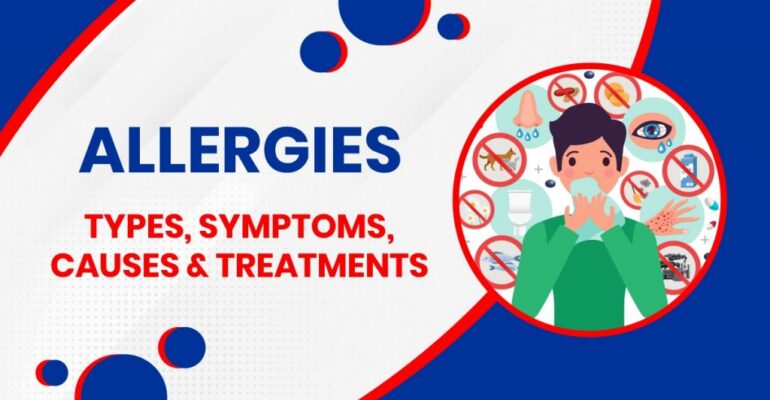
Allergies are your body’s response to a foreign particle or protein, which may be pollen, bee venom, or food that doesn’t cause a reaction in most people. Usually, these particles are harmless, but sometimes they can cause harmful reactions. The foreign substance which causes an allergic reaction is known as an allergen. The immune system produces antibodies that fight foreign substances in the body; during an allergic reaction, the antibodies identify a particular allergen as harmful, even though it isn’t. When your body comes into contact with an allergen, it triggers your immune system to produce antibodies, which can lead to inflammation and problems in the sinuses, airways, or digestive system.
The severity of the allergic reaction varies from person to person. This severity ranges from minor irritation to an anaphylaxis reaction (a potentially life-threatening emergency). No treatments for allergies exist, but allergy relief options include allergy medicines that help you eliminate symptoms.

Allergy Symptoms
Allergic reaction symptoms depend on the allergen involved, ranging from mild to severe. Some of the allergy symptoms which may appear are as follows:
-
Hay, allergic rhinitis that leads to
- Itching of the nose, eyes, or roof of the mouth
- Sneezing
- Runny, stuffy nose
- Watery, red, or swollen eyes (conjunctivitis)
-
A food allergy can cause reactions as follows:
- Swollen lips/tongue/throat/mouth
- Tingling in the mouth
- Hives
- Anaphylaxis
-
Allergic reaction to an insect sting
- Swelling at the sting site
- Itching or hives all over the body
- wheezing, cough, chest heaviness or shortness of breath
-
Allergic reaction to drugs
- Skin rash, hives, itching, redness, swelling of the face, lips, tongue, or throat, watery eyes, and nasal congestion.
- A drug reaction may also cause nausea, vomiting, diarrhea, or breathing difficulties.
- In severe cases, a drug allergy can cause anaphylaxis, a life-threatening reaction characterized by difficulty breathing, wheezing, rapid heartbeat, dizziness, a sudden drop in blood pressure, and loss of consciousness. Anaphylaxis requires immediate emergency medical attention.
Causes of Allergy
An allergic reaction is a response by your immune system against a harmless substance. The immune system mistakes that substance or allergen as harmful and produces antibodies that cause allergy symptoms.
Common allergens or triggers include:
- Airborne allergens such as pollens, animal dander, dust mites, and moulds
- Foods such as peanuts, tree nuts, wheat, soy, shellfish, eggs, and milk
- medications, penicillin, or penicillin-based antibiotics
- latex or other substances you come into contact with that cause allergic skin reactions.
Diagnosis
To diagnose whether you have an allergy, your physicians will likely:
- Ask detailed questions about signs and symptoms.
- Perform a physical exam.
- Note down your possible symptoms and possible triggers.
To diagnose whether you have an allergy, your physicians will likely:
- Skin test – the skin is pricked with small amounts of proteins found in common allergens. If there is any reaction at the location of the test, then you are allergic to that substance.
- Blood test – Specific antibody tests are performed, known as the Radioallergosorbent test or ImmunoCAP testing; these tests provide exact numbers of allergy-causing antibodies in your bloodstream. This provides evidence of sensitivity to possible allergens.
Allergy Treatment Options
The allergy treatment methods are as follows:
- Allergen avoidance – After identifying your allergens or triggers, it’s best to avoid them to prevent allergic reactions and reduce symptoms.
- Medications – There are no allergy treatments, but allergy medicines can reduce your immune response and ease symptoms. There are various non-prescription and prescription anti-allergy medicines for treating the symptoms of allergens. There are various drugs in the form of pills, liquids, nasal sprays, or eye drops.
- Antihistamines are the best allergy medicine because they reduce the antibodies in the body that react to allergens.
- Decongestants are also allergy relief medicines used cautiously when treating an allergic reaction due to their potential side effects and concerns about long-term use. Oxymetazoline, phenylephrine, and pseudoephedrine are used in serious conditions.
- Immunotherapy – This treatment involves purified allergen extracts, usually administered over several years, and is used to treat severe allergic reactions.
- Epinephrine – This is required only for serious allergic reactions. The patients are required to carry an emergency epinephrine shot at all times. An epinephrine shot can reduce symptoms during severe reactions until the required treatments appear.
Home Remedies
Most of the allergic reactions are not severe and can be treated with basic home remedies:
1. Sinus congestion and hay fever symptoms
Saline nasal irrigation is the best way to reduce these symptoms. Patients can use a neti pot or buy a specially designed squeeze bottle to flush out thickened mucus and irritants from the nose. But using neti pots or other devices requires proper guidance and knowledge.
2. Household airborne allergy symptoms
These symptoms are caused by dust mites or pet dander; avoiding allergens is the best way to soothe them. Washing your bedding and stuffed toys in hot water frequently, maintaining low humidity, regularly vacuuming with a fine filter, such as a high-efficiency particulate air filter, and replacing carpeting with hard flooring can prevent allergic reactions most of the time.
3. Mold allergy symptoms
Reducing moisture in damp areas, such as bathrooms and kitchens, and using ventilation fans and dehumidifiers helps prevent mould and allergy symptoms. Fix leaks inside and outside your home.
There is an alternative treatment for various allergies, such as allergic rhinitis, that can be treated with acupuncture.
Prevention
There are some general measures to prevent allergic reactions:
- Avoid known triggers; the best way to avoid allergic reactions is to avoid allergens.
- Keep a diary- Track your activities and eating habits to identify your allergens, avoid allergic reactions, and consult your doctor with descriptions of your symptoms and allergens.
- If you are dealing with animal allergies, avoid petting, hugging, or kissing animals, and don’t allow them in your bedroom or on your furniture.
- Seek medical help in case of an emergency.
Best platform to buy allergy medicine
Allergies can be frustrating if you know what’s triggering your immune system. However, a healthcare specialist can help you achieve relief from allergies. He can prescribe the best allergy medicine after screening your condition. Some common medicines for treating allergic conditions and reactions include cetirizine, hydroxyzine, betamethasone, levocetirizine dihydrochloride and more. Always follow the prescription for safe use of medicines.
AllDayChemist offers authentic medicine supplies at affordable prices delivered to your doorstep.
Also Read: What are the Top Allergens During Summer?