
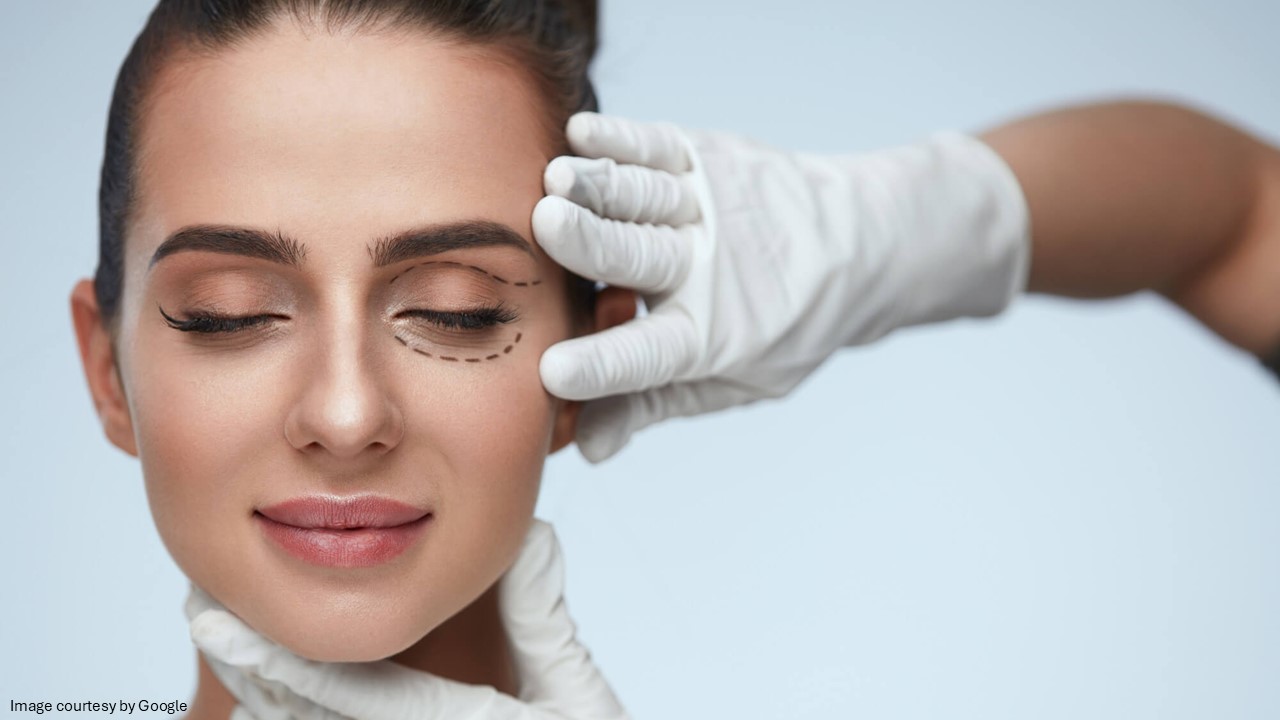
Facial surgeries, facial skin surgery, or facial plastic surgery, involves procedures to improve appearance, function, or correct issues like aging signs (wrinkles, sagging), birth defects, or trauma, with common surgeries including facelifts (rhytidectomy), eyelid surgery (blepharoplasty), nose jobs (rhinoplasty), and brow lifts, often combined with muscle tightening, skin repositioning, and excess skin removal for a youthful look. These can range from cosmetic enhancements to reconstructive repairs, often done with anaesthesia in outpatient settings, focusing on rejuvenating the face, neck, and jawline.
Proper skin care after facial surgery is essential for healing well, minimizing scarring, and achieving the best possible results. While you should always follow your surgeon’s specific instructions first, the tips below reflect widely accepted post-operative skincare principles to reduce the risk of scars, infections, pimples, or other skin problems.
How to do skin care post your facial surgery?
- Surgeon’s advice
Following a surgeon’s post-facial surgery advice is essential, as it’s tailored to your condition and the surgical procedure. This includes:
-
-
- When and how to clean your face
- Which products to use or avoid
- How to manage bandages, stitches, or drains
-
If anything is unclear, don’t hesitate to ask.
- Keep the skin clean
-
-
- Cleanse only when your surgeon allows it.
- Use a mild, fragrance-free cleanser.
- Wash with lukewarm water, using your fingertips, no scrubbing.
- Pat dry with a clean, soft towel.
-
Clean skin lowers the risk of infection and supports healing.
- Keep the skin moisturized
-
-
- Use only approved ointments or moisturizers (often petrolatum-based or medical-grade).
- Moist skin heals better and reduces scab and scar formation.
- Apply with clean hands and light pressure.
-
Cream to use after facial skin laser surgery – After facial laser surgery, use petroleum jelly (Vaseline), Aquaphor, or Vaniply for the first few days to keep skin moist and protected, then switch to a gentle, fragrance-free moisturizer and always use a mineral SPF 30+. Focus on occlusive ointments to heal wounds, then transition to soothing hydration, avoiding harsh products until fully healed to support skin recovery and prevent complications like hyperpigmentation.
Avoid products with retinoids, acids, alcohol, or essential oils unless cleared by your surgeon.
- Protect your skin from the sun
Sun exposure can darken scars and delay healing.
-
-
- Avoid direct sun as much as possible.
- Wear a wide-brimmed hat when outdoors.
- Use broad-spectrum sunscreen (SPF 30 or higher) once your surgeon says it’s safe.
- Physical sunscreens (zinc oxide or titanium dioxide) are often preferred post-surgery.
-

- Avoid touching, picking, or scratching
-
-
- Do not pick at scabs or peeling skin.
- Avoid massaging the area unless instructed.
- Picking can cause infection and permanent scarring.
-
If itching occurs, ask your surgeon about safe ways to manage it.
- Manage swelling and bruising
-
-
- Use cold compresses if approved (never directly on bare skin).
- Sleep with your head elevated for the first 1–2 weeks.
- Avoid salty foods and alcohol early in recovery.
-
Swelling is normal and may take weeks or longer to fully resolve.
- Be cautious with makeup and skincare products
-
-
- Do not apply makeup until your surgeon allows it.
- When approved, choose non-comedogenic, fragrance-free products.
- Introduce new products one at a time to avoid irritation.
-
- Stay hydrated and eat for healing
-
-
- Drink plenty of water.
- Eat protein-rich foods and those high in vitamins A, C, and zinc.
- Avoid smoking and nicotine, as they significantly delay healing and worsen scars.
-
- Watch for warning signs
Contact your surgeon if you notice:
-
-
- Increasing redness, warmth, or swelling
- Pus or foul-smelling drainage
- Fever or chills
- Sudden pain or skin color changes
-
Early treatment prevents complications.
- Be patient with the healing process
Facial skin can take weeks to months to recover fully.
-
- Scars often look worse before they look better.
- Final results may not be visible for several months.
Consistency and patience are key when it is about care.
Takeaway
Post-surgical skin care is about gentleness, protection, and consistency. Facial skin expresses yourself even when you don’t speak. Keeping skin free of surgical marks, infections, or pimples, etc, helps boost your confidence and offer a sense of happiness.
When in doubt, choose the most conservative option and check with your surgeon before making any changes to your skincare treatment after facial surgery if you don’t see any improvement with the prescribed ointments or medicines.