
Foods High in Estrogen (Phytoestrogens): Complete List & How They Affect Your Body

Phytoestrogens are also called dietary estrogens. These are plant compounds that act similarly to the estrogen hormone produced by the body. This article discusses a diet for high estrogen and also suggests foods high in estrogen.
Introduction
Estrogen is an important hormone that supports several bodily functions, including menstrual health, bone strength, reproductive function, and skin health. While the body produces estrogen naturally, certain plant-based foods contain compounds that can interact with estrogen receptors. These compounds are called phytoestrogens. Whether you are looking for a diet for high estrogen, or trying to understand which estrogen high foods to avoid, it is important to know how these foods affect your body.
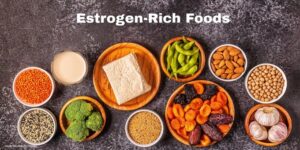
What are phytoestrogens?
Phytoestrogens are naturally occurring plant compounds that have a chemical structure similar to estrogen. Because of this similarity, they can attach to estrogen receptors in the body and influence certain hormone-related activities. However, phytoestrogens are considered weaker than the estrogen the human body produces naturally. Their effects can vary by compound type, amount consumed, and an individual’s hormonal environment. There are three commonly recognised types of phytoestrogens:
-
Isoflavones: These are mainly found in soybeans, tofu, tempeh, and other legumes. Genistein and daidzein are two well-known examples.
-
Lignans: These plant compounds are found in flaxseeds, sesame seeds, whole grains, and certain fruits and vegetables.
-
Coumestans: These are present in foods such as alfalfa sprouts and some sprouted legumes.
Each type behaves differently in the body. Their effects also depend on how the digestive system processes them.
Also Read: How does diabetes negatively impact sexual health?
Complete list of foods high in estrogen (Phytoestrogens)
Several everyday foods contain phytoestrogens. Some provide higher amounts, while others contain smaller quantities along with other beneficial nutrients. Be aware of these phytoestrogen-rich foods.
Here are some common foods that can be included in your diet for increasing estrogen levels:
1. Soybeans and soy products: Soybeans are among the richest dietary sources of phytoestrogens, particularly isoflavones. These compounds have been studied for their possible effects on hormonal health, especially during menopause. Common soy-based foods include soybeans, tofu, soy milk, edamame, tempeh, miso, and roasted soy nuts. You can include tofu in vegetable dishes, drink unsweetened soy milk, or enjoy boiled edamame as a snack. Soy products also provide plant-based protein, making them useful for people following vegetarian diets.
2. Flaxseeds: Flaxseeds are well known for their lignan content. These plant compounds are converted by certain intestinal bacteria into substances that can interact with estrogen receptors. Apart from phytoestrogens, flaxseeds provide fibre and plant-based omega-3 fatty acids. You can add ground flaxseeds to oatmeal, smoothies, yoghurt, or homemade chapatis. Ground flaxseeds are generally easier to digest than whole seeds. Although they are often recommended when discussing a diet for increasing estrogen levels, flaxseeds do not necessarily increase the amount of estrogen circulating in the bloodstream.
3. Sesame Seeds: Sesame seeds contain polyphenolic compounds that act as phytoestrogens and function as antioxidants. These contain plant lignans, including sesamin and sesamolin. They also provide calcium, magnesium, healthy fats, and other nutrients. You can include sesame seeds in salads, chutneys, vegetable preparations, and homemade snacks. You can also use them to make tahini, a popular sesame-based paste. Their phytoestrogen content makes them an interesting addition to a balanced diet, but they should not be considered a treatment for hormonal imbalance.
4. Chickpeas and lentils: Chickpeas, lentils, kidney beans, and other legumes contain different plant compounds, including phytoestrogens. These foods are also good sources of protein, fibre, iron, and folate. They can easily fit into everyday meals. Some simple options include chana masala, moong dal, rajma, hummus, and mixed bean salads. Including different types of legumes in your meals can improve your overall nutritional intake while providing a variety of plant compounds.
6. Berries and other fruits: Some fruits contain small amounts of phytoestrogens along with other plant compounds that support general health. Examples include strawberries, raspberries, apples, pears, peaches, and cherries. These fruits also provide vitamins, minerals, fibre, and antioxidants. Although they are not particularly rich sources of phytoestrogens compared with soybeans or flaxseeds, they can contribute to a varied diet.
7. Whole grains: Whole grains also contain lignans and other plant compounds that may affect hormonal activity. The best way to consume whole grains is in the form of oats, barley, whole wheat, rye, and brown rice. They also provide dietary fibre, which supports digestion and helps maintain regular bowel movements. Replacing some refined grains with whole-grain alternatives can improve your overall diet quality.
Also Read: Viagra for Men vs Viagra for Women: A Complete Guide
How do phytoestrogens affect your body?
Phytoestrogens can interact with estrogen receptors, but their effects are not the same as those of natural estrogen. Depending on the body’s hormonal environment, they may produce mild estrogen-like effects or compete with natural estrogen for receptor binding. Studies explain some possible effects:
1. May help with menopausal symptoms: During menopause, the body’s natural estrogen production gradually decreases. This can lead to symptoms such as hot flashes, night sweats, vaginal dryness, and sleep disturbances. Soy isoflavones have been studied for their possible role in managing hot flashes. Some studies suggest they may provide modest relief, although results vary by individual.
2. May support bone health: Estrogen helps maintain bone strength and density. When estrogen levels decline after menopause, the risk of bone loss increases. Researchers have studied whether phytoestrogens can support bone health because they can interact with estrogen receptors. However, the available evidence is not strong enough to consider them a replacement for calcium, vitamin D, exercise, or prescribed treatment.
3. May affect cholesterol levels: As mentioned above, soy-based foods contain plant protein, isoflavones, and other nutrients that may support cardiovascular health. Replacing some foods high in saturated fat with soy-based protein sources may help improve overall dietary quality and support healthier cholesterol levels.
4. Interact with estrogen receptors: One of the most interesting features of phytoestrogens is their ability to bind to estrogen receptors. Depending on the circumstances, they may produce weak estrogen-like activity or reduce natural estrogen binding to these receptors. This is why phytoestrogens are sometimes described as having both estrogenic and anti-estrogenic properties.
5. Helps with digestive and metabolic health: Foods including flaxseeds, lentils, soybeans, and whole grains offer fibre content and other nutrients that help with digestive health. Fibre helps maintain regular bowel movements and supports a healthy gut environment. These foods can also improve meal satisfaction and support balanced eating habits.
Also Read: The Impacts of Rising Temperatures on Sexual Life
Takeaway!
If you have low estrogen levels, you may come across recommendations to eat more soy products, flaxseeds, and sesame seeds. It is important to remember that low estrogen can occur for several reasons, including menopause, ovarian problems, and certain medical conditions. Food alone may not be sufficient to address these issues. Many people become concerned about estrogen high foods to avoid after learning that certain plant-based foods contain estrogen-like compounds. However, there is no need to eliminate foods such as tofu, soybeans, flaxseeds, or chickpeas simply because they contain phytoestrogens. Normal dietary consumption of traditional soy foods has not been shown to cause excessive estrogen levels in healthy adults. Instead of avoiding nutritious foods, focus on your overall eating habits.
Frequently asked questions
1. Which food has the highest amount of phytoestrogens?
If you are looking for foods naturally rich in phytoestrogens, flaxseeds are among the best options. They contain high amounts of lignans, plant compounds with estrogen-like activity. Soybeans are another good source, particularly of isoflavones. Sesame seeds, chickpeas, and lentils also provide phytoestrogens, although the amounts differ from one food to another.
2. What foods increase estrogen levels naturally?
Some everyday foods contain plant compounds that can mimic certain effects of estrogen in the body. Soybeans, tofu, tempeh, flaxseeds, sesame seeds, chickpeas, and lentils are commonly included in this group. These foods provide phytoestrogens, which interact with estrogen receptors. However, eating them does not necessarily raise the amount of estrogen your body produces naturally.
3. Do phytoestrogen-rich foods increase estrogen?
No, phytoestrogens do not increase estrogen levels in the body. Instead, they carry plant-derived compounds similar to the estrogen hormone produced by the human body.
4. What are the best sources of phytoestrogens?
Flaxseeds are particularly rich in lignans, while soybeans, tofu, and tempeh provide isoflavones. Chickpeas, lentils, sesame seeds, and other legumes are additional sources. Including a variety of these foods can help you obtain different plant compounds along with fibre and other nutrients.
5. Are soy foods high in estrogen?
Soy foods are known for their isoflavone content, which is why they are often associated with estrogen. These plant compounds resemble human estrogen and can interact with estrogen receptors. However, soy milk, tofu, and soybeans do not contain actual human estrogen. Eating soy regularly does not automatically increase estrogen levels in the body.
6. Is flaxseed high in phytoestrogens?
Yes, flaxseed is particularly well known for its lignan content. Lignans are plant compounds that gut bacteria convert into substances called enterolignans, which can interact with estrogen receptors. Adding ground flaxseed to porridge, smoothies, yoghurt, or breakfast cereals is a simple way to include it in your diet. It also supplies dietary fibre and healthy fats.
7. Do phytoestrogens affect hormones?
Phytoestrogens can influence hormonal activity because they interact with the same receptors that respond to natural estrogen. However, they are much weaker than the hormones produced by the body. Their effects vary by person and may depend on age, metabolism, hormone levels, and the amount consumed. Researchers continue to study their possible effects on hormonal health.
8. Are phytoestrogens good or bad for you?
Phytoestrogens are not something you automatically need to avoid or deliberately consume in large amounts. Foods that contain them, such as soybeans, flaxseeds, chickpeas, and lentils, also provide valuable nutrients. For most people, these foods can be part of a healthy, varied diet. However, anyone with a hormone-sensitive medical condition should discuss individual dietary concerns with their treating clinician.