Can Diet Reduce the Risk of Depression?
Research shows that diet is associated with depression. Let’s review evidence from studies on diet’s impact on depression, as well as interventions for prevention and treatment. Also, this blog reveals the best diet for depression that supports mental health.
Introduction
Sometimes, a poor night’s sleep or a hectic day can leave you feeling tired and irritated. But when low mood becomes a regular part of life, it is worth looking at the bigger picture, including your eating habits, physical health and emotional well-being. Food may not be the first thing that comes to mind when talking about depression, yet nutrition does play a role in how the brain functions. The nutrients we get from our meals help support nerve function, energy levels and several processes involved in mood regulation. Of course, depression is not caused by food alone. Stress, genetics, difficult life experiences and underlying health conditions can all contribute. Still, research suggests that eating well may support mental health and could help lower the risk of depressive symptoms in some people. So, can changing your daily meals really make a difference? Let’s look at what the evidence says and which foods are worth including in your diet.
What does a healthy diet have to do with depression?
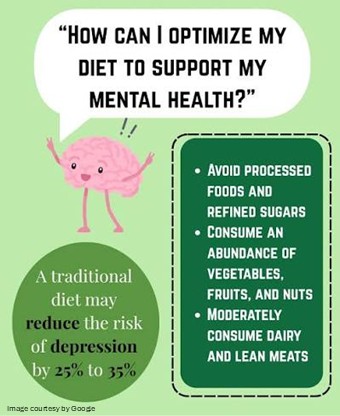
The best diet for depression is not a strict meal plan or a collection of expensive superfoods. It is an eating pattern that provides enough protein, healthy fats, fibre, vitamins and minerals. Vegetables, fruits, whole grains, pulses, nuts, and seeds can all contribute. Mediterranean-style diets, which include plenty of plant foods, legumes, whole grains, fish and healthy fats, have been associated with better mental health in research. Some studies also suggest that improving diet quality may help reduce depressive symptoms. However, nutrition is one part of the picture, not a guaranteed way to prevent or treat depression.
Also Read: Is Male Fertility Affected by Hot Baths?
Everyday foods that support mental health
You do not need to make dramatic changes to your kitchen to eat better. In fact, familiar foods can be a good place to start.
Vegetables and fruits: A bowl of dal with spinach, a serving of mixed vegetables or a piece of fruit between meals can add useful nutrients to your daily diet. Leafy greens provide folate, while fruits and vegetables supply fibre, vitamins and other compounds that support general health. Bananas, oranges, apples, carrots, tomatoes and seasonal produce are all practical choices. These are among the foods that boost mental health when eaten as part of a balanced diet. They do not work like antidepressants, but they help provide the nutrients the body needs to function properly.
Whole grains, pulses and nuts: There is a good reason to keep foods such as oats, whole-wheat roti, brown rice, chickpeas and lentils in your regular meals. They provide fibre and other nutrients, while pulses also offer plant-based protein. Almonds, walnuts, pumpkin seeds and flaxseeds are useful additions, too. A small handful of nuts or seeds makes for an easy snack when you don’t have time to prepare something elaborate. Together, these are foods that support brain health and make it easier to maintain a varied diet without relying on complicated recipes.
Can certain foods help you feel better?
Food can influence how you feel physically. Going hours without eating may leave you hungry, tired, or irritable, while a satisfying meal can restore your energy. Including protein, fibre-rich carbohydrates and healthy fats in meals may help you stay satisfied for longer. Eggs, yoghurt, beans, lentils and nuts are convenient options, depending on your preferences. Fermented foods such as curd have also attracted attention because researchers are studying the connection between the gut microbiome and mental health. The findings are interesting, but there is not enough evidence to say that eating a particular fermented food will relieve depression. When it comes to foods that may improve mood, researchers focus on a consistent, nourishing diet that supports overall well-being over time.
Also Read: Emotional Eating vs. True Hunger: How to Tell the Difference
Nutritional deficiencies and depression
Certain nutritional deficiencies can cause symptoms that overlap with those seen in depression. The relationship between nutritional deficiencies and depression can work in more than one direction. Inadequate nutrition may contribute to some symptoms, while depression itself can affect appetite and make shopping, cooking or eating regularly feel difficult. This is one reason not to dismiss persistent symptoms. A healthcare professional can assess your overall health and decide whether blood tests for particular deficiencies are appropriate.
-
Vitamin D and depression: Vitamin D helps the body absorb calcium and maintain healthy bones. Researchers have also investigated the connection between vitamin D and depression. Some studies have found that people with lower vitamin D levels are more likely to experience depressive symptoms. However, this association does not prove that low vitamin D is the cause, and taking supplements does not reliably improve depression in everyone. Oily fish, egg yolks and fortified foods can provide vitamin D, although many people may need additional support depending on their circumstances. If you suspect a deficiency, ask your healthcare professional whether testing is appropriate before taking high doses of supplements.
-
Vitamin B12 deficiency and depression: Vitamin B12 is needed for healthy nerve function and red blood cell production. When levels become too low, symptoms can include tiredness, weakness, memory difficulties and neurological changes. Mood symptoms may also occur. This makes vitamin B12 deficiency and depression an important consideration, particularly for people who follow a vegan diet or have problems absorbing nutrients. Milk, curd, eggs, fish and meat provide vitamin B12. People who avoid animal products need a reliable source from fortified foods or supplements. If a deficiency causes symptoms, appropriate treatment is important.
-
Magnesium and depression: Magnesium supports nerve and muscle function and is involved in many processes throughout the body. You can obtain it from foods such as almonds, pumpkin seeds, beans, whole grains and leafy vegetables. The relationship between magnesium and depression is still being studied. Although low magnesium intake is worth addressing, there is not enough evidence to recommend magnesium supplements as a reliable treatment for depression in everyone. For most people, a varied diet is a sensible starting point. Supplements should be considered according to individual needs and medical advice.

Benefits of Omega-3
You may have heard that fish is good for the brain. One reason is that oily fish contains omega-3 fatty acids, including EPA and DHA, which play important roles in normal cell function. Research on omega-3 for mental health has been mixed, and any benefit appears to depend on factors such as the formulation used and the individual being studied. Sardines and salmon are useful sources of EPA and DHA. For a vegetarian diet, walnuts, chia seeds and flaxseeds provide ALA, another type of omega-3 fatty acid.
Also Read: Why You Should Avoid Alcohol If You Are Trying to Lose Weight
The final verdict!
Focus on regular, balanced meals and seek medical advice if you suspect a nutritional deficiency. The foods that help with depression are best viewed as part of a broader approach that includes adequate sleep, physical activity, supportive relationships and professional care when needed. A healthy diet can complement mental health care, but anyone struggling with depression deserves proper treatment, understanding and support.
FAQs
1. What foods may help reduce the risk of depression?
What you eat each day can affect your overall emotional health. Try including seasonal fruit, green vegetables, dal, nuts, whole grains, and fish in your meals. These foods supply nutrients that support brain function, although they cannot guarantee that depression will be prevented.
2. Can eating too much processed food increase the risk of depression?
Yes, eating large amounts of highly processed foods like chips, sugary drinks, and instant meals can increase the risk of deperssion. According to several research studies, this kind of eating pattern leads to depressive symptoms, but it does not establish a direct cause. Stress, sleep, and life experiences also contribute to a person’s mental health.
3. Can a healthy diet improve mood and mental health?
Healthy eating patterns can support overall health. Meals that include vegetables, protein, whole grains, and healthy fats provide essential nutrients for proper brain function. Good nutrition works best alongside restful sleep, movement, social connection, and appropriate mental health care.
4. Which nutrients support brain health and emotional well-being?
Several nutrients help the brain carry out its everyday functions. Omega-3 fats, vitamin B12, folate, iron, vitamin D, and magnesium are among them. You can get many of these from eggs, lentils, leafy vegetables, nuts, dairy products, and fish. Supplements are mainly useful when a deficiency or specific need is identified.
5. What is the best diet to support mental health and help prevent depression?
Rather than following a strict diet, focus on a variety of nourishing foods. A Mediterranean-style pattern, with plenty of vegetables, fruit, beans, whole grains, nuts, and unsaturated fats, is a good option. It may support mental well-being, but no eating plan can guarantee protection from depression.