Why You Should Avoid Alcohol If You Are Trying to Lose Weight
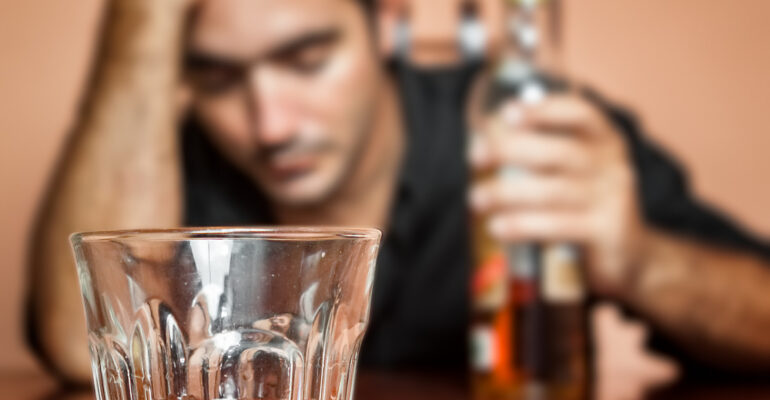
Why You Should Avoid Alcohol If You Are Trying to Lose Weight
Losing weight is not just about cutting calories or exercising regularly; it’s also about making smarter lifestyle choices. One of the most overlooked factors that can silently sabotage your weight loss journey is alcohol consumption. While an occasional drink may seem harmless, regular or excessive intake can significantly slow your progress.
If you are serious about shedding extra kilos, understanding how alcohol affects your body is essential. Let’s explore why avoiding alcohol can be one of the smartest decisions for achieving your fitness goals.
1. Alcohol is packed with empty calories
Alcohol contains what are commonly known as “empty calories”, calories that provide little to no nutritional value. Unlike proteins, healthy fats, or complex carbohydrates, alcohol doesn’t supply your body with essential nutrients. In fact, alcohol contains about 7 calories per gram, which is almost as high as fat.
When you consume alcoholic drinks, especially cocktails, beer, or sugary mixed drinks, you end up adding hundreds of extra calories to your daily intake without realizing it. Over time, these excess calories get stored as fat, making weight loss much more difficult.
2. It slows down fat burning
One of the biggest reasons alcohol hinders weight loss is its impact on metabolism. When alcohol enters your system, your body treats it as a toxin and prioritizes breaking it down first. This means your body temporarily stops burning fat and instead focuses on eliminating alcohol. Research suggests that alcohol can significantly reduce fat oxidation (fat burning), leading to increased fat storage, especially around the abdomen. So even if you’re eating healthy and exercising, drinking alcohol can slow your results.
3. Alcohol increases hunger and cravings
Ever noticed how you crave junk food after drinking? That’s not just a coincidence. Alcohol affects hormones like ghrelin (hunger hormone) and leptin (fullness hormone), increasing appetite and reducing satiety. It also lowers inhibitions, making you more likely to indulge in unhealthy, high-calorie foods such as pizza, fries, or sweets. Studies even suggest that drinking alcohol can lead to increased calorie intake by triggering cravings for fatty and salty foods. This combination of increased hunger and poor food choices can quickly derail your diet plan.
4. Poor food choices and late-night eating
Alcohol doesn’t just make you hungry; it makes you careless about what you eat. After a few drinks, people are more likely to skip healthy meals, overeat, and choose quick, readily available food, such as processed or fast food. Late-night eating after drinking is particularly harmful because your metabolism slows down at night, increasing the chances of fat storage. These habits not only increase calorie intake but also disrupt your overall eating pattern, making weight loss harder.
5. Alcohol disrupts your sleep cycle
Good sleep is essential for weight loss, but alcohol interferes with it. While alcohol may initially make you feel sleepy, it actually reduces sleep quality by disrupting REM sleep and your body’s natural rhythm. Poor sleep disrupts hormones that regulate hunger and metabolism, leading to increased cravings, lower energy levels, and reduced motivation to exercise. In short, poor sleep can directly contribute to weight gain and slow down fat loss.
6. It leads to dehydration and water retention
Alcohol acts as a diuretic, which means it causes your body to lose water. This leads to dehydration, fatigue, and reduced physical performance. Ironically, dehydration can also cause your body to retain water, leading to bloating and temporary weight gain. Additionally, dehydration can be mistaken for hunger, causing you to eat more than necessary.
7. Alcohol affects nutrient absorption
Excessive alcohol consumption can interfere with your body’s ability to absorb essential nutrients. This can impact energy levels, metabolism and overall health. When your body lacks proper nutrition, it becomes harder to maintain a healthy weight and sustain long-term weight loss.
8. It reduces motivation and physical activity
After a night of drinking, most people feel tired, sluggish, and unmotivated. This often leads to skipping workouts, reduced physical activity, and poor recovery. When exercise becomes inconsistent, maintaining a calorie deficit becomes more challenging, slowing down your progress.
9. Alcohol contributes to belly fat
Alcohol is strongly linked to the accumulation of visceral fat, also known as belly fat. This type of fat is stored around internal organs and is associated with serious health risks like diabetes and heart disease. Since alcohol affects fat metabolism and promotes fat storage, it often leads to stubborn abdominal fat that is difficult to lose.
10. Does this mean you must quit completely?
Not necessarily. While avoiding alcohol completely can give the best results, moderation can still help if quitting isn’t realistic. Here are some practical tips:
- Limit intake to occasional drinking
- Avoid sugary cocktails and mixers
- Stick to low-calorie options like spirits with soda water
- Eat healthy meals before drinking
- Stay hydrated with water
However, if you are serious about faster and more effective weight loss, reducing or eliminating alcohol is highly recommended.
Best medicine to treat alcohol addiction
Determination is the key to walking on a path to giving up alcohol addiction. If the above tips doesn’t help much in giving up alcohol and causing harm to your health, you can opt for medicinal support. AllDayChemist (ADC) offers products that can help you treat alcohol addiction. Naltima 50 mg, Esperal 250mg, etc., are some of the products you can search for in the alcohol and drug treatment category on the ADC website to get a better understanding of how these medications work. Consult a doctor to know the best medicine for you.
Final thoughts
Weight loss is a combination of consistent habits, and alcohol can quietly disrupt many of them, from increasing calorie intake to slowing fat burning and affecting sleep. While an occasional drink may not ruin your progress, regular consumption can make your journey significantly harder. By cutting back or avoiding alcohol, you give your body a better chance to burn fat, maintain energy levels, and stay on track with your goals.
Remember: small lifestyle changes can lead to big results, and limiting alcohol is one of the most powerful changes you can make.