
Understand the Causes and Treatments of Melasma
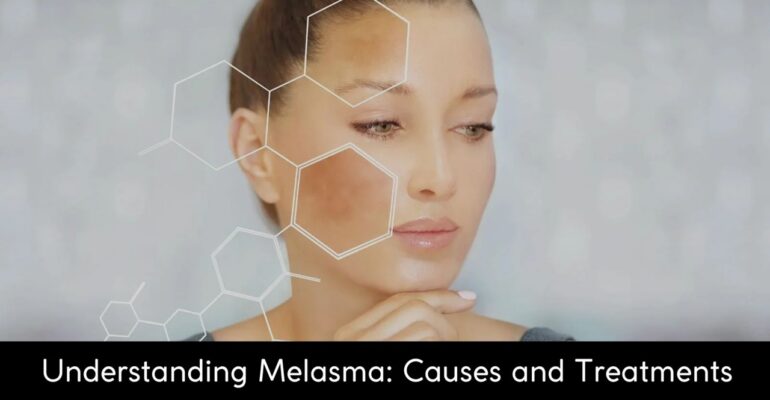
Hyperpigmentation can feel frustrating, and one of the most common reasons behind hyperpigmentation is melasma. If you have ever wondered what is melasma, why it develops and how to treat melasma, this article discusses almost everything about melasma on face, its causes, and its skin symptoms. It also highlights melasma treatment, which is increasingly using combination therapies to improve outcomes.
Introduction: What is melasma?
Skin discolouration is quite common; however, many of us often ignore it because it does not affect our health. While some of us are too busy to worry about our skin imperfections. But when we spend a few minutes in front of the mirror, we often think why these unwanted dark spots have suddenly appeared on our face. Melasma is a skin disorder which makes your skin darker than your natural skin tone. These pigmented spots are commonly visible on the cheeks, forehead, nose bridge, and upper lip area. These dark patches may appear light or deep brown in colour; they sometimes even appear slightly bluish-grey, depending on an individual’s skin type and the depth of pigmentation. The skin condition is more likely to develop in women. Only 10% of men are affected by the skin disease.
Our skin is pigmented due to melanin. People with fair complexion tend to have less melanin than those with darker skin. We all have sun increase melanin in our skin. Also, melanocytes, the cells that produce melanin, can be affected by hormonal balance, ageing, genetics, pregnancy, and skin irritants. The exact cause of melasma remains unknown. People with a family history of melasma are more likely to experience melasma. Hormonal changes may trigger melasma. Melasma is also associated with pregnancy and is called the mask of pregnancy. Estrogen-containing birth control pills increase the risk of melasma.
Also Read: How to permanently get rid of acne in 2026?
Causes of melasma
Understanding the melasma causes can be extremely helpful in controlling it better:
Sunlight can be the biggest trigger and is considered the number one melasma cause. Exposure to Ultraviolet (UV) rays from the sun can stimulate pigment-producing cells, or melanocytes, in the skin. These melanocytes normally produce a large amount of pigment, but production increases when stimulated by elevated hormone levels or sun exposure. Exposure to sunlight is the main reason for melasma recurrence.
Birth control pills and HRT are the two most common causes of melasma after pregnancy. Consider an alternative to the birth control pill to fade your dark patches. However, it is not possible to stop HRT, so consider adjusting the dosage to reduce the risk of discolouration. Consult your physician before making any changes. Hormonal fluctuations: Hormones play a crucial role, which is why melasma is common in pregnant women, those who use birth control pills, and those who undergo hormonal therapies.
Sometimes, genes also play a role; if melasma runs in your family, you may naturally be more likely to get it.
Targeted topical treatments
If you are searching for how to treat melasma, it is crucial to set realistic expectations. No formulation works overnight, but there are proven ways to reduce it effectively. Here are some treatment methods for melasma:
Hydroquinone treatment for melasma (the first choice): You can find many over-the-counter products containing hydroquinone, but it is always better to consult a physician or dermatologist; they can prescribe a stronger version that will be more effective and safer for skin lightening. Hydroquinone formulations are available as creams, gels, lotions, or liquids. It is known to block the natural chemical process in the skin that produces melanin. Since melanin is responsible for dark skin pigmentation, the appearance of dark-coloured patches related to melasma will also be reduced.
A skin lightening agent (a second treatment): Hydroquinone formula may be considered the first treatment in most cases; your dermatologist might prescribe a skin lightening agent to enhance the effect. Tretinoin and corticosteroid preparations are most frequently used as a secondary treatment. These are believed to speed up the shedding of old cells and their replacement with new ones. You might even get a formulation that combines hydroquinone, a corticosteroid, and tretinoin. Tri-Luma 15 mg is one such example; it is used to treat melasma. The topical preparation provides quicker, more effective results than bleaching creams available in the cosmeceutical industry. Tri-Luma 15 mg cream, containing tretinoin, hydroquinone, and fluocinolone, is available to enhance depigmenting effects. The formulation is highly effective at reducing the appearance of stubborn brown patches. Other options include kojic acid or Azelaic acid, which work by slowing the production of skin-darkening pigment.

Advanced treatment for melasma
- Chemical Peel procedure – If topical treatments do not provide a solution, consider light chemical peels that contain glycolic acid and similar chemicals to remove the affected top layer of the skin. The chemical may cause a mild burn. As the burned layer peels off, melasma-free skin remains. However, the procedure doesn’t work if the underlying hormonal imbalance has not been treated.
- Laser therapy – A restorative or fractional dual laser therapy may target pigmentation on the skin’s surface. Be careful with laser treatments, as some can worsen the mask rather than remove the affected skin.
- Microdermabrasion – During these treatments, the epidermis, or the uppermost layer of the skin, is gradually removed, leaving fresh, melasma-free skin. The technique involves spraying free crystals onto the skin to remove its dead skin cells. With the help of a vacuum, crystals and exfoliated skin cells are removed.
Self-care for melasma
Protect your skin from sun rays – Apply broad-spectrum sunscreen and wear protective clothing to protect your skin against sun damage. Sun protection can help prevent melasma and may reduce the appearance of existing patches and spots. Apply sunscreen with an SPF of 30 or higher 20 minutes before stepping out into the sun. In addition, consider adding nutrients, such as zinc, to benefit your skin. Double sun screening is also a good option. You can try applying a layer of SPF 15 beneath an SPF 30 for more protection against harmful UV rays. When it comes to protective clothing, pick a wide-brimmed hat and large sunglasses to provide additional protection to your face. If your condition worsens, consider wearing full-sleeve tops and pants. Try to stay away from the sun as much as possible.
Reduce stress – Stress can worsen hormonal imbalances, and if your culprit is a hormonal imbalance, finding stress-reducing techniques is necessary to help treat your melasma. You can try meditation and yoga to calm down. Moreover, give your hobbies some time, or do what you enjoy most.
Try treating with natural ingredients – Ingredients known to be effective when applied topically include bearberry, vitamin C, lemon peel, apple cider vinegar, and lactic acid. All of these can reduce the production of pigment-forming compounds in your skin without causing irritation or sensitivity to sunlight.
The right place to buy authentic topical skincare products
Many platforms offer medicinal skincare products; choosing the right one is critical to get a genuine product.
AllDayChemist can help you buy authentic skincare products to treat your skin issues. It is a popular online platform known for offering a wide range of dermatologist-recommended treatments at competitive prices. Find out the range of best products to treat acne, pigmentation, anti-ageing, and overall skin health, including well-known formulations such as tretinoin creams, hydroquinone blends, and combination therapies. Popular options such as tretinoin-based gels and combination creams are widely used to improve skin texture, reduce acne, and address signs of aging. To treat melasma, buy Triluma 15 gm cream (containing hydroquinone 4%, tretinoin 0.05%, and fluocinolone 0.01% as the main active ingredients) to start your treatment journey.
AllDayChemist is known for affordability and global shipping, making it a convenient choice for customers seeking genuine treatments at lower costs. However, it’s always important to consult a healthcare professional before using medicated skincare products to ensure safety and suitability for your skin type.
Conclusion
Do not consider melasma as a random discolouration; it’s your skin responding to a mix of sunrays, hormones, and sensitivity. Understanding melasma causes, identifying melasma symptoms, and learning how to treat it give you a real advantage in managing it.