HIV rash symptoms are frequently reported during the initial stage of the virus, offering an important clue that should not be overlooked. Identifying these HIV rash symptoms early can support timely diagnosis and treatment, ultimately improving long-term health outcomes. This article helps you know about the HIV rashes along with associated skin concerns.
Introduction: Link between HIV & skin rash
You might see changes in your skin as the first sign of HIV. Studies confirmed that around 90% of people dealing with HIV develop a rash or other skin problem at some point while suffering from the deadly condition. This is because the virus weakens the immune system and makes it easier for germs to enter the skin, leading to skin problems. Moreover, some HIV treatments can give rise to rashes. But all thanks to the new medicinal treatments, when this occurs, it is easy to replace the medicine that caused it with another.
Early HIV rash symptoms and when they appear
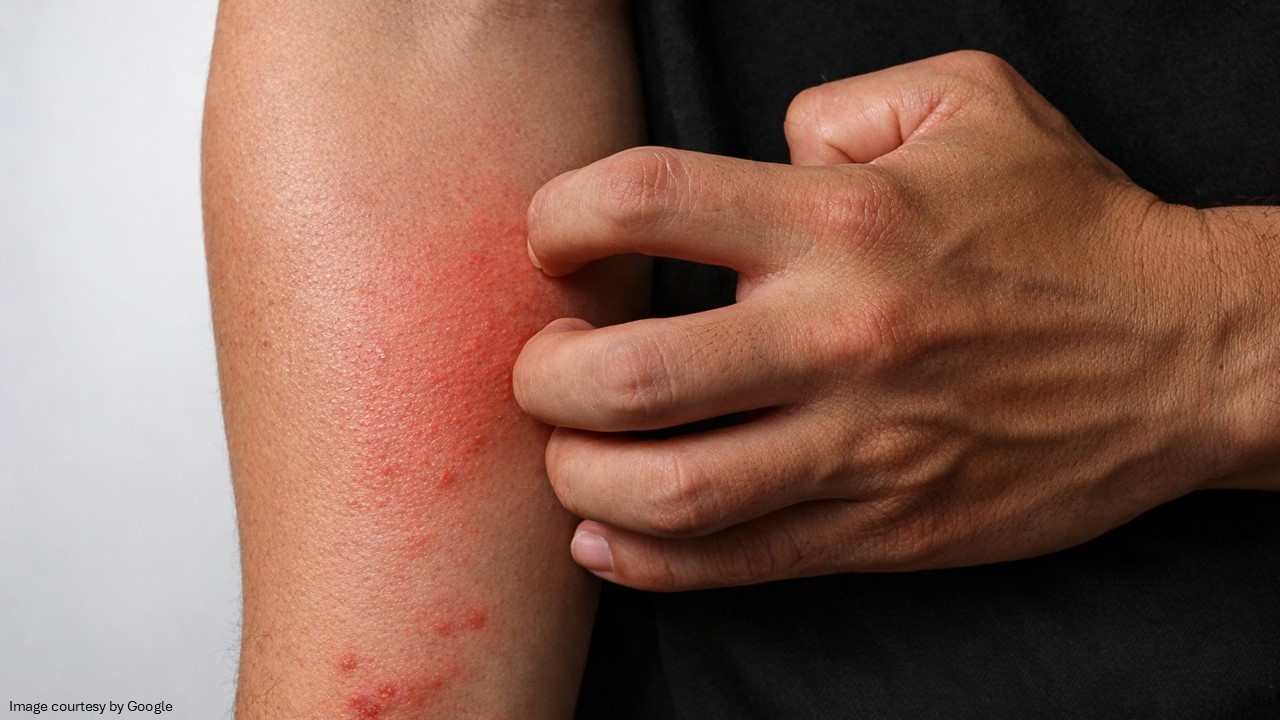
In many individuals, HIV rash symptoms develop within two to four weeks after exposure to the virus. This stage, known as acute infection, is when the immune system begins reacting aggressively. During this time, people may experience flu-like symptoms such as fever, fatigue, sore throat, and swollen lymph nodes, along with noticeable skin changes. The rash that appears during this phase may seem mild at first, but it can gradually spread across the body. It may not always cause itching or discomfort, which is why some individuals ignore it or mistake it for a minor skin issue.
What does an HIV rash look like in different individuals?
A common question people ask is: What does HIV rash look like? The answer can vary, but it is generally described as a mix of flat and slightly raised spots on the skin. These patches may appear red, pink, or darker depending on the person’s natural skin tone. The rash is typically symmetrical, meaning it appears evenly on both sides of the body. It often spreads over larger areas rather than remaining confined to one spot. While some people report mild itching, others may feel no irritation at all, making the rash less noticeable without close inspection.
Other skin conditions linked to HIV/AIDS
Beyond rashes, HIV/AIDS is associated with a wide range of skin conditions that result from a weakened immune system. These conditions can vary in severity and may worsen as the disease progresses.
-
Seborrheic dermatitis
Seborrheic dermatitis is one of the most commonly reported skin conditions in people with HIV. It typically appears as red, flaky, and greasy patches on the scalp, eyebrows, sides of the nose, and chest. An HIV rash on the face is often confused with this condition because both may present as redness and irritation.
-
Fungal infections and recurring skin problems
Fungal infections are highly prevalent in individuals living with HIV. Conditions such as candidiasis can affect the mouth, skin folds, and genital areas, leading to redness, itching, and discomfort. Unlike a typical HIV rash on the body, fungal infections tend to cause intense irritation and may spread rapidly. They can also recur frequently, particularly if the immune system is compromised. These infections are sometimes mistaken for comparisons like HIV rash vs allergy rash, which can delay accurate diagnosis and treatment.
-
Kaposi’s sarcoma: A serious HIV-related condition
Kaposi’s sarcoma is a rare but serious condition associated with advanced HIV/AIDS. It appears as purple, red, or dark brown lesions on the skin and may also affect internal organs. These lesions differ significantly from common rashes. They do not fade easily and may gradually increase in size or number.
-
Viral skin infections: Herpes and shingles
People with HIV are more prone to viral skin infections such as herpes simplex and herpes zoster (shingles). These infections can cause painful blisters, sores, or rashes that may appear on the face or body. An HIV rash on the face may sometimes be mistaken for herpes, especially when blisters are present.
-
Molluscum contagiosum: Small but noticeable bumps
Molluscum contagiosum is another viral condition frequently seen in individuals with weakened immune systems. It appears as small, dome-shaped bumps that may be flesh-colored or slightly pink. These lesions can develop on the face, neck, or other parts of the body and may spread easily.
-
Bacterial skin infections and delayed healing
Bacterial infections such as folliculitis and impetigo are also more common in people living with HIV. These conditions can cause red, swollen, or pus-filled lesions that may be painful.
HIV rash vs allergy rash: Key differences explained
Understanding the difference between HIV rash vs allergy rash is essential for accurate identification. Allergy-related rashes are typically caused by exposure to triggers such as certain foods, medications, or environmental factors. They often appear suddenly, cause intense itching, and improve quickly once the trigger is removed. In contrast, HIV-related rashes and skin conditions are often more persistent and may be accompanied by systemic symptoms such as fever, fatigue, or recurrent infections. They also tend to affect larger areas of the body rather than remaining localised. Recognising these differences can help individuals seek appropriate medical care.
Also Read: What are common HIV myths?
Are HIV skin rash pictures reliable for diagnosis?
Many people rely on HIV skin rash pictures to compare their symptoms, but this approach has limitations. The appearance of HIV-related skin conditions can vary widely depending on skin tone, stage of infection, and individual immune response. While images can provide general awareness, they cannot replace a health care professional’s evaluation. Moreover, misinterpretation of symptoms based on pictures alone can lead to unnecessary anxiety or delayed diagnosis. Laboratory testing remains the most reliable method for confirming HIV.
Treatment and management of HIV related skin conditions
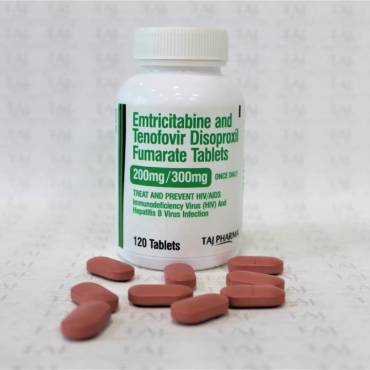
Managing skin conditions associated with HIV/AIDS requires a comprehensive approach. The primary treatment is antiretroviral therapy (ART), which helps control the virus and restore immune function. As immunity improves, many skin conditions become less severe or resolve completely. A wide range of HIV/AIDS medicines, including antiretrovirals like tenofovir (Tenof EM300/200mg, Rivofonet 300mg), lamivudine (Duovir 150/300mg, Lamivir HBV 100mg), and efavirenz (Efavir 600mg, Efavir 200mg), are commonly available online to suppress viral load, improve immunity, and support long-term HIV management when used as prescribed by the doctor. In addition to ART, specific treatments may be prescribed depending on the condition. These may include antifungal medications for fungal infections, antiviral drugs for herpes, and topical treatments for inflammatory skin issues. Proper skincare, hygiene, and avoiding irritants also play a key role in maintaining healthy skin.
Takeaway!
By understanding these skin issues, recognising early warning signs, and seeking timely medical advice, individuals can better manage their health. Although supportive tools like HIV skin rash pictures and comparisons, such as HIV rash vs allergy rash, can provide helpful insights, they support professional diagnosis, while treatment remains essential for effective care.