What is Early-onset Alzheimer’s?

Early-onset Alzheimer’s disease means having an age of onset younger than 65 years. While early-onset Alzheimer’s disease is often overshadowed by the more commonly occurring late-onset alzheimer’s, recognising early-onset alzheimer’s symptoms and seeking timely help can completely change the course of care and help a patient lead a better quality of life. This article provides insight into the causes, symptoms, and management strategies for early-onset Alzheimer’s to improve quality of life.
Introduction: What is early-onset Alzheimer’s?
Alzheimer’s disease was initially defined as a neurodegenerative disorder affecting individuals in early or midlife, with onset at a younger age than 65 years of age. It is the most common form of dementia affecting your memory, thinking and behaviour. This neurodegenerative condition often progresses to the point where it starts affecting your daily activities. Alzheimer’s is often thought of as a disease of older people; data suggest that around 5% of people with this neurodegenerative condition are under 65 years of age. But the condition can also affect individuals in their 30s or 40s. What is early onset Alzheimer’s? Well, when alzheimer’s develops in someone younger than 65 years of age, it’s known as early-onset (or younger-onset) Alzheimer’s disease. A very small population with alzheimer’s disease develops the early on set form. Many of them reach their 40s and 50s when their condition takes hold.
Most types of early alzheimer’s are the same, but there are a few small differences. Most people with early-onset Alzheimer’s disease get the common form of the disease. The neurodegenerative disease progresses similarly to how it does in older people.
The other is genetic alzheimer’s disease, which is rare. Very few people have genes that directly contribute to alzheimer’s. People with this form of the condition begin showing symptoms in their 30s, 40s, or 50s.
Early-onset alzheimer’s age: Most diagnosed between 40 and 65 years. In rare cases, it can begin as early as the 30s30. 40, or 50s.

Causes of early-onset Alzheimer’s disease
Early onset, alzheimer’s causes: Healthcare specialists are still not aware of what triggers Alzheimer’s disease. They believed that two proteins damage and kill nerve cells. Fragments of one protein, beta-amyloid, accumulate and are called plaques. Twisted fibres of another protein, tau, are called tangles. Scientists believed that with age, almost everyone develops plaques and tangles. But people suffering from alzheimer’s develop many more. Firstly, these plaques and tangles cause damage to the brain’s key areas that manage memory. Over time, they continue to affect more areas of the brain. Scientists and healthcare experts still do not understand why some people develop so many plaques and tangles, or how they spread and damage the brain. Individuals with a family history of the disease are the only known risk factors for developing this condition.
Symptoms of early-onset Alzheimer’s disease
For most people with early onset alzheimer’s disease, the symptoms closely resemble those of other forms of alzheimer’s disease. The signs of early alzheimer’ in 40s often begin subtly and may be overlooked or misattributed to stress or mental fatigue. One of the earliest warning signs is persistent memory loss, particularly forgetting recent conversations, appointments, or newly learned information. Individuals may also have trouble planning or solving problems, such as managing finances or following step-by-step instructions. As the condition progresses, routine tasks like driving familiar routes, organising work responsibilities, or completing household chores can become increasingly challenging.
In addition to memory-related issues, early-onset alzheimer’s symptoms may present with non-memory symptoms in its initial stages. These can include difficulty finding the right words during conversations, confusion about time or location, impaired judgment, and changes in mood or personality. Some individuals may become withdrawn, anxious, or irritable without a clear reason. In certain cases, visual processing problems or coordination difficulties may appear earlier than memory loss, making diagnosis more complex and sometimes delayed.
Also Read: Alzheimer’s and Emotional Memory: Why Familiar Songs Can Be Useful
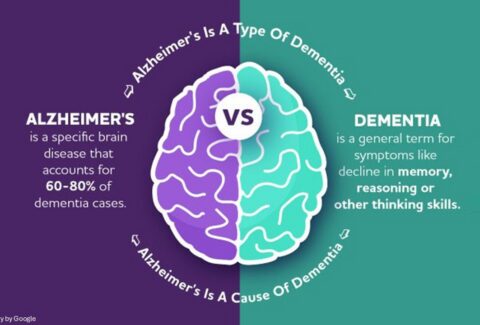
Early-onset Dementia vs Alzheimer’s
Dementia is an umbrella term for a group of symptoms that severely affect memory, thinking, and social abilities, interfering with daily life. Alzheimer’s, on the other hand, is the most common cause of dementia. When these conditions occur before the age of 65, they are classified as “early-onset.
The symptoms of early-onset dementia can vary widely depending on the type, whereas early-onset Alzheimer’s typically begins with memory-related issues. Individuals with Alzheimer’s often experience gradual short-term memory loss, confusion, and difficulty learning new information. In comparison, other forms of early-onset dementia may initially present with personality changes, language difficulties, or impaired decision-making rather than memory loss. Highlighting these symptom differences is valuable for both user understanding and search engine relevance.
Another key difference lies in progression and diagnosis. Early-onset Alzheimer’s generally follows a predictable pattern of cognitive decline, while other dementias may progress differently or more rapidly. Diagnosis for both conditions involves cognitive testing, brain imaging, and medical evaluation, but identifying the exact type of dementia is crucial for proper management.
Diagnosis of early onset alzheimer’s
Diagnosing early-onset Alzheimer’s requires a comprehensive medical evaluation. Healthcare professionals typically begin with a detailed medical history and cognitive assessment to evaluate memory, attention, language, and problem-solving abilities. Brain imaging techniques, such as MRI or CT scans, are often used to detect structural changes or to rule out other neurological conditions. Blood tests may help identify underlying health issues that could mimic dementia symptoms. When a hereditary link is suspected, genetic testing may be recommended to confirm the presence of specific mutations.
Treatment option
Although there is currently no cure for Alzheimer’s, early diagnosis can significantly improve disease management and quality of life. Alzheimer’s treatment approaches are primarily focused on slowing symptom progression and maintaining cognitive function for as long as possible. Certain medications may help regulate brain chemicals involved in memory and thinking, offering temporary relief from symptoms. Products available for Alzheimer’s mainly include Admenta 10mg, Donep 5mg, Donep 10mg, Galamer 8mg, Rivamner 3 mg, and many more. Choosing the right product depends on the stage of the disease, the individual’s response to treatment, and the doctor’s recommendations, making professional guidance essential for safe and effective use. Alongside medical treatment, non-pharmacological interventions such as cognitive stimulation, memory exercises, and structured daily routines can play a vital role in managing the condition.
Coping with Alzheimer’s disease
Lifestyle modifications are equally important in supporting brain health. Regular physical activity has been shown to improve blood flow to the brain and promote overall well-being. A balanced diet rich in antioxidants, healthy fats, and essential nutrients can help protect brain cells from damage. Adequate sleep, stress management, and social engagement are also key factors in maintaining cognitive function. These strategies not only support individuals who have Alzheimer’s but may also reduce the progression of the disease. While there is no guaranteed way to prevent early-onset Alzheimer’s, certain preventive measures may help lower the risk. Maintaining an active lifestyle, engaging in continuous learning, and staying socially connected are beneficial for brain health. Managing chronic health conditions effectively and avoiding harmful habits like smoking or excessive alcohol consumption can also contribute to reducing risk factors associated with cognitive decline.
Takeaway!
It is important to visit a healthcare specialist if you are concerned that your memory or thinking skills are noticeably changing. There is no cure for Alzheimer’s disease, but your healthcare specialist will help you determine Alzheimer’s treatments that might help slow down the progression.