Best Medicines for Alzheimer’s Disease: Treatment Options That Can Help Manage Symptoms

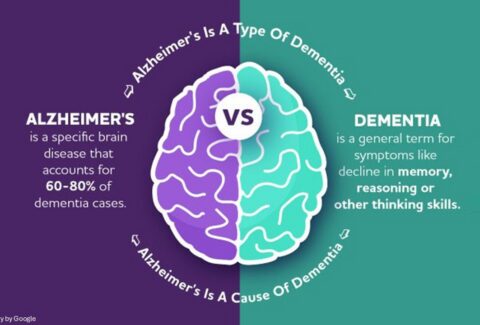
Alzheimer’s disease is a progressive brain disorder that gradually affects memory, reasoning, and the ability to carry out everyday tasks. Although there is no cure yet, advances in treatment have enabled more effective management of the condition. The right medications can help slow symptom progression, support cognitive function, and enable many people to stay independent and maintain a better quality of life for longer.
Doctors prescribe different medicines depending on the stage of the disease and the patient’s overall health. Some medicines increase levels of important brain chemicals, while others protect brain cells from damage caused by excessive nerve activity.
Let’s look at the most commonly prescribed medicines for Alzheimer’s disease and how they work.
Cholinesterase Inhibitors
Cholinesterase inhibitors are usually the first medicines prescribed for people with mild to moderate Alzheimer’s disease. They work by preventing the breakdown of acetylcholine, a chemical messenger that helps brain cells communicate. Increasing acetylcholine levels may help improve memory, thinking, and learning. The main medicines in this group include:
- Rivastigmine – A commonly prescribed medication for mild to moderate Alzheimer’s disease. Treatment usually begins with 5 mg twice daily. If the medicine is well tolerated, the doctor gradually increases the dose to find the most effective amount, up to a maximum of 6 mg twice daily. Common side effects include nausea, vomiting, diarrhea, loss of appetite, and stomach pain. Because people with Alzheimer’s disease are already at risk of losing weight, doctors usually monitor weight regularly during treatment.
- Donepezil – Donepezil is one of the most widely prescribed Alzheimer’s medicines. It has a long-lasting effect, so it only needs to be taken once a day, usually in the evening. Treatment generally starts with 5 mg once daily. After about one month, the dose may be increased to 10 mg once daily if needed. Possible side effects include nausea, diarrhea, muscle cramps, trouble sleeping, fatigue, and vomiting. Some people may also experience agitation, hallucinations, or aggressive behaviour, although these effects usually improve after reducing the dose or stopping the medicine under medical supervision.
- Galantamine – Galantamine is another cholinesterase inhibitor used to treat mild to moderate Alzheimer’s disease. It is available as tablets and oral syrup. Studies suggest that galantamine may help slow the decline in memory, thinking, and communication skills in some patients. Common side effects include nausea, vomiting, loss of appetite, dizziness, and weight loss.
- Tacrine – Tacrine was the first medicine approved for Alzheimer’s disease. However, it is rarely used today because it needs to be taken four times a day and may cause serious liver damage. Newer medicines such as donepezil, rivastigmine, and galantamine are considered safer and more convenient.
N-methyl-D-aspartate (NMDA) Receptor Antagonists
Memantine – Memantine works differently from cholinesterase inhibitors. It blocks excessive glutamate activity, a brain chemical that can damage nerve cells when present in high amounts. It is generally prescribed for moderate to severe Alzheimer’s disease and may be used alone or together with donepezil. Treatment usually begins with 5 mg once daily. The dose is gradually increased over several weeks until reaching the usual maintenance dose of 20 mg once daily.
Some people taking memantine may notice improvements in:
• Memory and thinking
• Communication
• Daily activities such as dressing and bathing
• Behaviour and overall functioning
However, the medicine does not work the same way for everyone. Some patients experience noticeable benefits, while others may see little or no improvement. Common side effects include dizziness, headache, tiredness, confusion, and hallucinations. Memantine should be used carefully in people with kidney disease, liver disease, epilepsy, high blood pressure, or heart conditions. It should only be taken under the guidance of a healthcare professional.
Also Read: What You Need to Know About Your Dietary Intake?
Medicines for other Alzheimer’s symptoms
People with Alzheimer’s disease may also develop symptoms such as depression, hallucinations, aggression, or lack of motivation. Doctors may prescribe additional medicines to manage these symptoms.
Depression – Antidepressants such as sertraline and fluoxetine may help reduce depression, anxiety, irritability, and restlessness.
Hallucinations and Aggressive Behaviour – If a patient develops psychosis, hallucinations, or severe aggression, doctors may prescribe antipsychotic medicines such as risperidone or olanzapine. These medicines are usually used with caution because they can increase the risk of serious side effects in older adults.
Apathy – Apathy is common in Alzheimer’s disease and is different from depression. People with apathy lose interest and motivation but may not feel sad or hopeless. In selected cases, doctors may prescribe stimulant medicines such as methylphenidate to improve motivation.
Where to buy Alzheimer’s medicines?
Alzheimer’s disease requires consistent long-term treatment, making access to authentic medications a crucial part of the management plan. AllDayChemist offers a wide range of prescription medicines to manage Alzheimer’s disease, allowing customers to obtain their medications from a trusted source conveniently. The easy search mode and ordering process help individuals find options that suit both their treatment needs and their budget. One of the key benefits of choosing AllDayChemist is its commitment to affordability, making long-term treatment more manageable for patients and caregivers. The platform also provides detailed product information, secure payment options, and safe doorstep delivery.
Takeaway!
Although Alzheimer’s disease cannot yet be cured, today’s medicines can help manage symptoms, slow disease progression, and improve quality of life for many patients. The choice of treatment depends on the stage of the disease, existing medical conditions, and the individual’s response to medication.
Along with medication, regular medical check-ups, physical activity, a healthy diet, mental stimulation, and strong caregiver support all play an important role in managing Alzheimer’s disease. Early diagnosis and timely treatment give patients the best chance of maintaining their independence and quality of life for as long as possible.