How Medications Help with Addiction Treatment
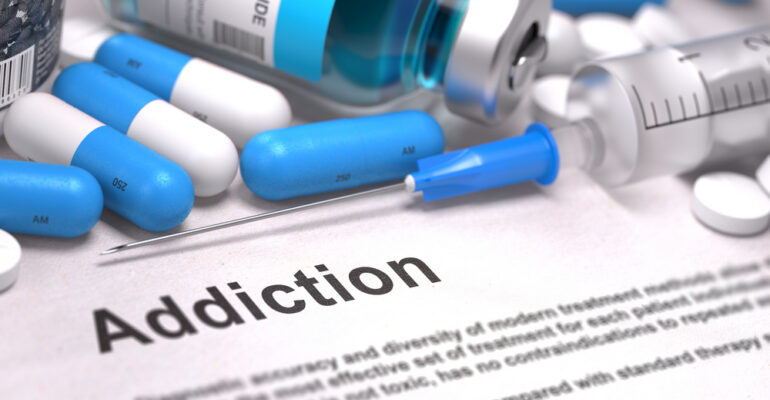
Addiction is a complex medical condition that affects the brain, behavior, and overall well-being of an individual. Whether it involves alcohol, opioids, or other substances, overcoming addiction often requires more than just willpower. Modern treatment approaches combine therapy, lifestyle changes, and in many cases, medications that help reduce cravings, manage withdrawal symptoms, and prevent relapse.
Understanding how these medications work can empower individuals and families to make informed decisions about recovery and long-term health. This page will cover some of the best tips and medications that can help overcome alcohol addiction.
Understanding addiction as a medical condition
Addiction is not simply a lack of discipline; it is a chronic disease that alters brain chemistry. Substances like alcohol and drugs affect the brain’s reward system, making individuals feel pleasure or relief. Over time, the brain becomes dependent on these substances to function normally. Because of these changes, quitting abruptly can lead to withdrawal symptoms such as anxiety, irritability, nausea, insomnia, and intense cravings. This is where medical treatment becomes essential.
Medications play a key role in stabilizing brain function and supporting individuals through the recovery process.
Also Read: Why You Should Avoid Alcohol If You Are Trying to Lose Weight
The role of medications in addiction treatment
Medications are used as part of a broader treatment plan known as Medication-Assisted Treatment (MAT). These medications do not “cure” addiction but help manage its symptoms effectively.
They work in several ways:
- Reducing cravings for substances
- Blocking the pleasurable effects of drugs or alcohol
- Creating deterrents that discourage substance use
- Stabilizing brain chemistry during recovery
Research shows that combining medication with counseling and behavioral therapy significantly improves recovery outcomes compared with therapy alone.
Types of medications used in addiction treatment
Different substances require different treatment approaches. Below are the major categories of medications used in addiction recovery:
- Medications for opioid dependence
Opioid addiction involves substances like heroin, morphine, and prescription painkillers. Medications used in treatment include:
- Methadone – Helps reduce withdrawal symptoms and cravings
- Buprenorphine – Partially activates opioid receptors to ease dependence
- Naltrexone – Blocks the effects of opioids entirely
These medications help individuals gradually regain control without experiencing severe withdrawal.
- Medications for alcohol dependence
Alcohol addiction is one of the most common forms of substance abuse, and several medications are specifically designed to treat it. These medications help by reducing the desire to drink or by making alcohol consumption unpleasant, thereby discouraging relapse.
Medicines that can help with alcohol dependence
Certain medications are particularly effective in supporting individuals recovering from alcohol addiction. One such option is Naltima 50 mg, which contains naltrexone. It works by blocking the “reward” effects of alcohol in the brain, reducing cravings and making drinking less appealing. This helps individuals maintain abstinence when used alongside counseling and support systems.
Another widely used medication is Esperal 250mg (disulfiram). Unlike naltrexone, this medicine acts as a deterrent. If a person consumes alcohol while taking it, they may experience unpleasant reactions such as nausea, flushing, or discomfort. This creates a strong psychological and physical barrier against drinking.
These medications are most effective when prescribed by a healthcare professional and combined with therapy, support groups, and lifestyle changes. They are not standalone solutions but valuable tools in a comprehensive recovery plan.
- Medications for withdrawal management
Withdrawal symptoms can be one of the most challenging parts of recovery. Depending on the substance, doctors may prescribe medications to ease symptoms such as anxiety and restlessness, insomnia, nausea, and seizures (in severe cases). Managing withdrawal safely increases the chances of long-term recovery and reduces the risk of relapse.
- Medications for co-occurring mental health conditions
Many individuals struggling with addiction also experience mental health disorders such as depression, anxiety, or PTSD. These conditions can worsen substance use and make recovery more difficult. Treating both addiction and underlying mental health issues simultaneously improves overall outcomes. Antidepressants, mood stabilizers, or anti-anxiety medications may be included as part of the treatment plan.
Benefits of medication-assisted treatment
Medication-assisted treatment offers several advantages:
- Improved retention in treatment programs
- Reduced risk of relapse
- Better management of cravings and withdrawal
- Lower risk of overdose
- Enhanced ability to focus on therapy and recovery goals
When combined with counseling, medications provide a balanced and effective approach to overcoming addiction.
Common misconceptions
Despite their effectiveness, addiction medications are often misunderstood.
“Replacing one drug with another” – This is a common myth. In reality, these medications are carefully regulated and designed to stabilize brain chemistry, not create a new addiction.
“You should quit without medication” – While some individuals recover without medication, many benefit significantly from medical support, especially in moderate to severe addiction cases.
“Medications work instantly” – Recovery is a gradual process. Medications support progress but require consistency and patience.
The importance of professional guidance
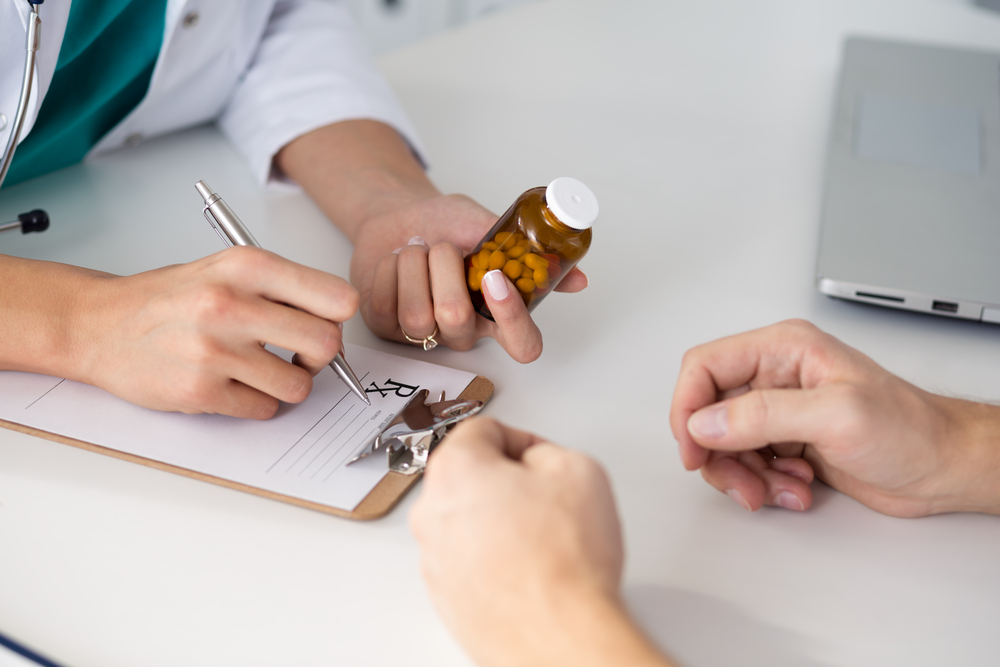
Qualified healthcare professionals should always be consulted when you seek addiction treatment. Self-medication or unsupervised use of these drugs can be harmful. Doctors evaluate several factors before prescribing any medicines, including:
- Type and severity of addiction
- Medical history
- Mental health conditions
- Lifestyle and support systems
Based on this, they create a personalized treatment plan that may include one or more medications along with therapy.
Lifestyle changes that support recovery
While medications are important, lifestyle changes play an equally vital role in maintaining sobriety:
- Building a strong support network
- Engaging in regular physical activity
- Practicing stress management techniques
- Avoiding triggers and high-risk environments
- Maintaining a structured daily routine
Recovery is most successful when medical treatment and healthy habits work together.
Final thoughts and the right place to buy medicine for addiction treatment
Addiction is a challenging but treatable condition. With the right combination of medical support, therapy, and personal commitment, long-term recovery is achievable. Medications like Naltima 50 mg and Esperal 250mg demonstrate how science has advanced to provide effective tools for managing alcohol dependence. When used responsibly under medical supervision, they can significantly reduce cravings, prevent relapse, and support individuals on their journey to sobriety. Buying medicines from a reputable pharmacy is important to ensure you receive genuine medicine supplies. AllDayChemist is one of the leading online pharmacies offering alcohol treatment medications at affordable prices. Learn how the medicines work, how they are used, and the side effects they can cause.