
Allergy Survival Guide
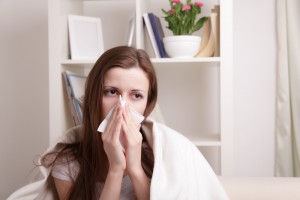
For many people, allergies are not limited to a single season; in fact, they are an everyday challenge that requires appropriate management. Fortunately, living with allergies doesn’t mean giving up your favourite hobby. Whether your nasal symptoms are due to pollen, mould, pets, or medicines, becoming aware of how allergies affect you and learning effective strategies can help you manage them and allow you to lead a quality life.
Introduction
While different season allergies cause the same symptoms, which are sneezing, runny nose and itchy eyes, they have different trigger points. Spring allergies are most likely brought on by pollen from trees, weeds and grasses. Fall allergies, on the other hand, are caused by the pollens of the ragweed plant, dust mites and mould. Let us understand some of the causes and solutions for allergies, to help you deal with them:
1. Pollution – Pollution causes the release of carbon-based fuels. This further generates greenhouse gases that trap heat from the sun in the atmosphere. This increase in temperature causes plants and trees to bloom and release pollen.
2. Pollen, pollen everywhere – Massive amounts of CO2 in the atmosphere lead to copious pollen production. This not only kick-starts pollen production but also boosts the amount of pollen that each plant generates. If that wasn’t enough, carbon dioxide is making pollen more potent, too. Studies have also shown that more allergen is found in each grain of pollen than it used to be earlier. Other than pollen, another factor that is leading to the increase in allergens is temperature. Increasingly warm temperatures mean that pollen will also rise, and eventually so will the moisture and pollen in the air.
3. More people are developing allergies – A study has shown that each year more and more people are becoming susceptible to allergies. Genes can play a vital role in developing various types of allergies; however, allergies are on the rise, most likely due to longer and more intense pollen seasons.
4. Immunity – Our obsession with everything clean, seen in the hordes of antibacterial products we invest in, has made us susceptible to dirt and bacteria. With fewer afflictions like polio and parasites to fight, our immune systems have become quicker to overreact to otherwise harmless substances like pollen. Studies have shown that pollution such as exhaust fumes can trigger allergic flare-ups.
5. The distress of modern diets – Today’s processed, preserved foods lack the tough fibres of the plants and grains like the meals of our ancestors. These throw off the delicate balance of bacteria in our guts and set us up for allergic sensitivity. Excessive antibiotic use can disrupt bacteria in the gastrointestinal tract. Studies have also suggested that antibiotics disrupt bacteria in the gastrointestinal tract.
Create an allergy-smart environment at home
Although it’s impossible to eliminate every allergen, reducing exposure inside your home can make a huge difference.
- Wash your bedding regularly; let’s say weekly, preferably in hot water so that all dust mites are killed. Use a vacuum cleaner to clean carpets and upholstered furniture regularly, preferably with a HEPA-filter vacuum cleaner. Consider replacing heavy curtains with washable alternatives if dust is a persistent problem.
- Keep indoor humidity under control to discourage mould growth, and repair water leaks promptly before damp areas become breeding grounds for mould spores.
- If pet allergies are an issue, establishing pet-free zones—especially the bedroom—can help reduce nighttime symptoms.
- Small household habits performed consistently often provide long-term relief.
Outdoor survival tips during allergy season
You may need to stay indoors to protect yourself. It is always best to check pollen forecasts before planning outdoor activities, particularly during spring and early summer. If you find high pollen counts, exercising later in the evening or after rainfall may reduce exposure. After spending time outside, take a shower straight away and don’t forget to wash your hair to remove pollen. Changing clothes before relaxing indoors also helps prevent allergens from spreading throughout your home. Wear sunglasses to reduce the amount of pollen that gets into your eyes, especially during windy days.
Approach the right treatment
Well, there is no single treatment that works for everyone because allergies vary in severity and cause. Every individual may have different allergic symptoms that require different allergy medicines.
Antihistamines are the first-line treatment for relieving common allergic symptoms such as sneezing, itching, and runny noses. Allerid 10 mg and Fexova 120mg are oral tablets that work best for allergy symptoms. Nasal corticosteroid sprays such as Flomist Nasal Spray 50 mcg help reduce inflammation in people with persistent nasal symptoms. In contrast, allergy eye drops such as Lotepred 5ml and Lotepred T0.5%/0.3% can relieve redness and irritation. Those who have allergy-related asthma may be prescribed inhaled medications that help make breathing easier and reduce airway inflammation.
Immunotherapy may be a reliable option to deal with long-term environmental allergies. The type of treatment gradually trains the immune system to become less sensitive to specific allergens, offering lasting improvement for some people. Your healthcare specialist will be the right person to recommend the most suitable anti-allergy treatment based on your symptoms, age. medical history, and allergy testing results.
Lifestyle habits that make a huge impact
Successful allergy management isn’t just about using prescription medication. In fact, daily routines play an equally important role. Here are some daily healthy habits to avoid common allergy symptoms.
- Hydration is important; therefore, be sure to drink plenty of water throughout the day. Eat a well-balanced diet, work out regularly when symptoms allow, and prioritise restful sleep. Although these healthy habits do not eliminate allergies, they support overall health and may help your body cope better with inflammation.
- Cleaning air-conditioning filters, avoiding cigarette smoke, and ventilating damp rooms are additional steps that can improve indoor air quality.
- If food allergies are part of your life, reading ingredient labels carefully and discussing allergies with restaurant staff should become second nature.
Consult doctor
Most allergies are mild, but some require immediate treatment. Here are some serious allergic symptoms that require immediate medical attention. Difficulty breathing, swelling of the lips or throat, dizziness, confusion, or fainting may indicate anaphylaxis—a severe allergic reaction that can become life-threatening within minutes. Anyone experiencing these serious allergic symptoms is advised to seek emergency medical care without delay.
Living a quality life
Living with allergies requires awareness, but absolutely, there is no need to leave your favourite activities. Modern interventions, better diagnostic tools, and simple preventive lifestyle habits have the potential to make allergy management more effective than ever before. Moreover, understanding your triggers and responding to symptoms early is crucial if allergies become persistent or severe. An individualised approach guided by a healthcare expert is often the most successful because every person’s immune system responds differently. So don’t let allergies dictate your routine; make informed choices that help you stay comfortable throughout the year. By preparing for allergy season, maintaining a healthier home, and following an appropriate treatment plan, you can spend less time worrying about symptoms and more time enjoying life.
Purchase allergy medicines online
Fortunately, you can buy all kinds of allergy medicines online. AllDayChemist, an online pharmacy and seller of generic drugs, we offer all the above-mentioned allergy medications at affordable rates. Discounts and offers are also available for new and regular customers.
The bottom line!
With the right knowledge and planning, allergies become easier to manage, allowing you to travel, exercise, work, and spend time with family and friends with greater confidence. The goal isn’t to avoid life; it’s to be ready for it, no matter what allergy season brings.