
What Are the Early Signs of Bunions? Understand Symptoms and Treatment
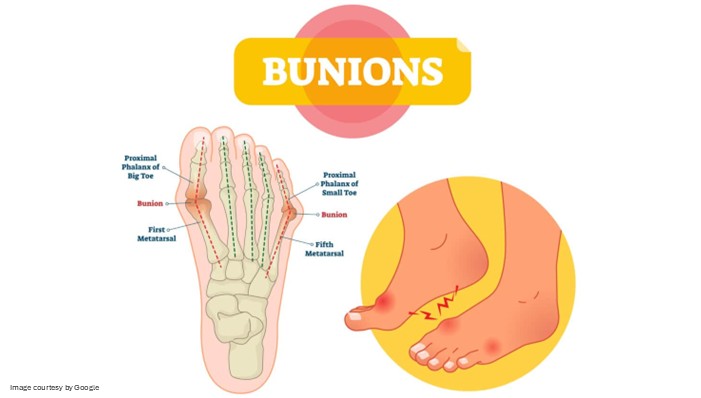
A bunion is a bony bump that comes near the big toe. It happens when the bones in the front of the foot move out of place, causing the big toe to bend toward the second toe. This problem grows slowly over time, and people ignore it till it starts to cause pain. Knowing early signs of bunions is important because early care can prevent it from worsening. Along with signs of bunions, this blog will help you learn about how to treat bunions in the best way.
Signs of Bunion
Bunion symptoms in the early stages: Shoes may feel tighter than before. Initially, the pain is usually mild, and the bunion appears after long walks or extended standing. These are the early symptoms which people often overlook. If you notice such changes, it is always wise to take immediate action before they progress to a wound. The signs of bunion include soreness, stiffness, and a visible bump on the side of the foot. Sometimes the skin near the joint thickens or becomes callused because shoes constantly rub the toe. You also feel pressure or discomfort when wearing narrow footwear. These symptoms are clear indications that a bunion is developing.
Also Read: Why are Indian generic medicines popular globally?
Causes
When it comes to bunion causes, well, there are many, and they are generally a mix of genetics and lifestyle. If bunions are hereditary, you are more likely to get them. Wearing high heels or tight shoes that press the toes together is another major cause. People with flat feet, arthritis, or joint problems are also at higher risk. Foot injuries or prolonged standing in uncomfortable shoes can worsen the condition. Women get bunions more than men because of uncomfortable shoes that put pressure on the toes.
Treatment
Bunion treatment involves simple changes in the way you wear your footwear. The first step is to reduce pressure on the feet. Select shoes with a wide toe box so your toes have enough space. Avoid wearing high heels and narrow shoes. You can use bunion pads or soft cushions to reduce friction on the bump. Use ice packs, which help reduce swelling and pain. For bunion relief, normal foot exercises and stretches can improve flexibility and reduce stiffness. If bunions start causing pain, see a doctor. A foot doctor can prescribe custom orthotic inserts to correct your foot position.
In some cases, physical therapy can help relieve painful bunion and promote healing. In severe cases, surgery may be required to correct the bones and remove the bump. However, most cases can be managed with simple home care and lifestyle changes.
Also Read: Why Are Generic Medicines Affordable? Here’s What You Need to Know
How Bunions can affect daily life
A big toe bunion can affect your balance and walking style. As the bump grows, it pushes the big toe toward the second toe, and sometimes they overlap. This can cause corns, hard skin, and joint stiffness. If you ignore it, daily work becomes uncomfortable, especially when you stand or walk for long periods. That is why early care is so important. Preventing bunions from forming is easier than treating them once they form.

Bunions in young people and students: Young people need to learn about bunions because healthy feet mean an active life. If you want to play sports, run, or even walk comfortably, you need strong feet for good health. Bunions can make these activities painful. That is why early care, good shoes, and regular exercise are the keys to keeping your feet healthy. Bunions also teach us an important lesson about health: small problems should never be ignored. Just like a small cut can become infected if not cleaned with water or another cleanser, a small bunion can grow into a bigger problem if not treated as needed. Many people think foot problems aren’t serious, but our feet carry the weight of our entire body every single day. If the feet are not healthy, the entire body struggles. That is why bunions should be taken seriously even in the early stages.
Another point is that bunions can affect daily life in simple ways. For example, someone with bunions may find it hard to wear their favourite shoes, play sports, or even walk long distances. This can reduce confidence and make people feel limited. But the good news is that with proper care, bunions can be managed.
Also Read: The Importance of Foot Care for People with Diabetes
Bunion prevention
Here are the bunion prevention tips to follow:
Always wear comfortable, properly fitting shoes. Avoid wearing high heels for long periods. Maintain a healthy weight to reduce pressure on your feet. Do regular toe exercises to keep the joints flexible and healthy. Check your feet regularly for early signs of bunions so you can take action quickly.
Living with bunions can be hard, but it is possible to stay comfortable with your daily routine. Be careful with bunion relief: choosing soft, comfortable items and supportive footwear, along with simple foot exercises, can make a huge difference for your bunion. Do not underestimate or ignore pain; it may cause harm, including joint damage. If you care for it properly and treat it, you can slow its progression and keep your feet healthy.
In conclusion, early signs of bunions include swelling, redness, and a slight tilt of the big toe. If you notice or recognise these symptoms in the early stages, you can take care of yourself and take preventive steps, such as wearing comfortable shoes and doing foot exercises.
Understanding bunion symptoms in the early stages, along with bunion treatment and prevention, helps you manage the condition effectively. Whether it is a big toe bunion or mild discomfort, timely care ensures long-term relief and healthy feet. Another simple way to think about bunions is to compare them with a small crack in a wall. If you repair the crack early, the wall stays strong. But if you ignore it, the crack will grow and damage the entire wall. In the same way, bunions start small but can affect your whole foot if not treated.
Bunions remind us that prevention is always easier than cure.