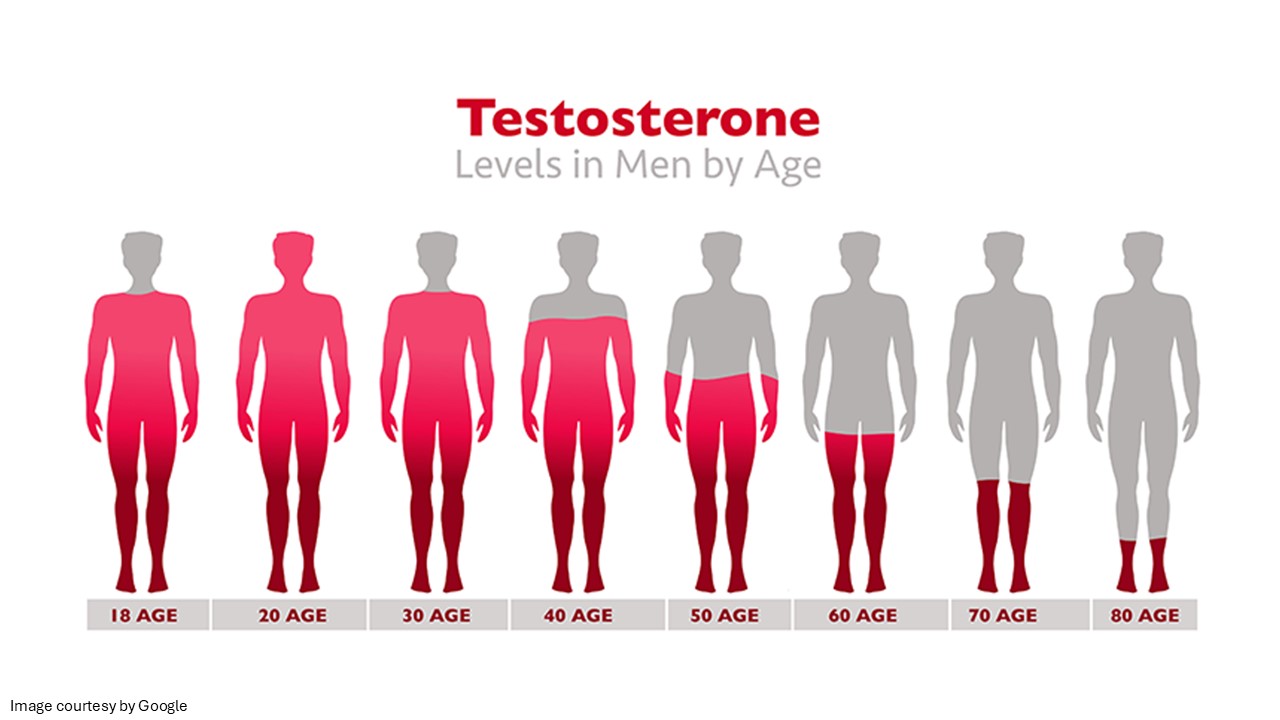
Low testosterone (often called Low T or hypogonadism) can affect nearly every system in a man’s body. Testosterone is not just a “sex hormone”; it plays a central role in overall health, especially physical health, mental well-being, metabolism, and longevity. This blog aims to provide the best possible, detailed, evidence-based explanation of why low testosterone can be harmful.
Before moving forward to know why low testosterone can be harmful for men, let’s understand what low testosterone is.
Low testosterone, or male hypogonadism, is when the body doesn’t produce enough testosterone, a vital hormone for male development, affecting sex drive, mood, energy, and physical changes like muscle/fat distribution. Low testosterone is usually caused by aging, injury, or underlying health issues. However, this condition is treatable with testosterone replacement therapy (TRT), but the success of this therapy varies from patient ot patient, considering several factors such as severity, age, existing ailments, etc. Let’s understand the detailed reasons for low testosterone.
What causes low testosterone?
- Loss of muscle mass and strength
We all know that testosterone is critical for protein synthesis, muscle fibre growth and neuromuscular function. When testosterone levels are low, muscle mass gradually decreases, strength and endurance decline, recovery after exercise or injury slows, and the risk of frailty increases with age. This can lead to reduced mobility and a higher risk of injury and falls.
- Increased body fat and metabolic problems
Testosterone helps regulate fat distribution and insulin sensitivity.
Low testosterone is associated with:
-
- Increased visceral (belly) fat
- Higher risk of insulin resistance
- Increased likelihood of type 2 diabetes
- Slower metabolic rate
A vicious cycle can occur because excess body fat further lowers testosterone by converting it into estrogen.
- Reduced libido and sexual dysfunction
Testosterone directly affects sexual desire, erection function and sperm production.
Low testosterone levels may cause:
-
- Decreased interest in sex
- Erectile dysfunction (especially reduced erection quality)
- Infertility or low sperm count
- Reduced sexual satisfaction
This can significantly impact relationships and self-esteem.
- Mood changes and mental health effects
Testosterone influences neurotransmitters such as dopamine and serotonin. Low testosterone is linked to:
-
- Depression and low mood
- Increased anxiety
- Irritability
- Loss of motivation and confidence
- Emotional flatness
Certain studies show men with low testosterone have higher rates of depressive symptoms, even when controlling for age and health conditions.
- Cognitive decline and brain health
Testosterone plays a role in memory, attention, spatial ability, and neuroprotection. Low levels may contribute to:
-
- Brain fog
- Difficulty concentrating
- Reduced verbal and visual memory
- Increased risk of cognitive decline with aging
- Decreased energy and chronic fatigue
Men with low testosterone often report:
-
- Persistent tiredness despite adequate sleep
- Reduced motivation to exercise or work
- Slower physical and mental performance
This fatigue is hormonal, not just lifestyle-related, and can severely impact daily functioning.
- Bone density loss and osteoporosis
Testosterone helps maintain bone mineral density. Low testosterone increases:
-
- Bone thinning (osteopenia)
- Risk of osteoporosis
- Risk of fractures, especially in the hips and spine
Men with untreated low testosterone can develop silent osteoporosis, often undiagnosed until a fracture occurs.
- Cardiovascular health risks
Healthy testosterone levels support blood vessel dilation, healthy cholesterol balance, and red blood cell production. Low testosterone has been linked to:
-
- Increased LDL (bad) cholesterol
- Reduced HDL (good) cholesterol
- Higher inflammation markers
- Increased risk of cardiovascular disease and mortality
While research is ongoing, chronically low testosterone is generally associated with worse heart health outcomes.
- Weakened immune function
Testosterone plays a role in immune regulation. Low levels may:
-
- Increase chronic inflammation
- Reduce immune response efficiency
- Slow recovery from illness
- Reduced quality of life and longevity
Men with low testosterone often experience:
-
- Reduced vitality
- Lower life satisfaction
- Decreased independence with aging
Long-term studies associate low testosterone with higher all-cause mortality, especially when combined with obesity or chronic disease.
Common causes of low testosterone
-
- Aging (especially after age 30)
- Chronic stress and poor sleep
- Obesity
- Type 2 diabetes
- Excessive alcohol use
- Certain medications (opioids, steroids)
- Testicular or pituitary disorders
How to know if you have low testosterone?
To know and identify if you have low testosterone, check for symptoms such as low sex drive, fatigue, reduced muscle mass, increased body fat, erectile dysfunction, hair loss, and mood changes, but the only definitive way is through a doctor-ordered morning blood test, as symptoms overlap with other conditions and not everyone with Low T has symptoms.
What is considered low testosterone?
Low testosterone in adult males is generally defined as a blood level below 300 nanograms per deciliter (ng/dL), as per the American Urology Association (AUA), but diagnosis also relies heavily on symptoms like low libido, fatigue, and reduced muscle mass, with some providers looking for levels below 250 ng/dL or considering age-specific norms. A diagnosis typically requires two morning blood tests to account for daily fluctuations.
Often, people doubt whether can erectile dysfunction be caused by low testosterone. Yes, low testosterone can contribute to erectile dysfunction (ED) and reduced sex drive, but it’s often not the sole cause; ED is usually multifactorial, involving blood flow issues like cardiovascular disease, stress, or other hormonal imbalances. Therefore, it is important to check testosterone levels in men with ED, as the right guidance and treatment can help men to overcome this issue.
Can low testosterone be treated?
Yes, timely doctor consultation and treatment can help recover from this condition, which may include:
-
- Lifestyle changes (exercise, weight loss, sleep)
- Treating underlying conditions
- Testosterone replacement therapy (TRT) is used when medically appropriate
Important: TRT should only be started after proper blood testing and medical evaluation.
Men should consider testing if they experience low libido, chronic fatigue, depression, loss of muscle mass, increased belly fat, or erectile dysfunction.
Summary
Low testosterone is not just a sexual issue; it is a systemic health condition that can negatively affect physical strength, mental health, metabolism, bones, heart health, and overall quality of life. Early recognition and proper management can significantly improve long-term health outcomes. Don’t hesitate to consult a doctor to determine the right treatment plan.