5 Brain exercises to prevent dementia
Can brain activities reduce the risk of developing dementia? How do mental activities stimulate the brain function of people with dementia? Such questions often come to mind in people who are suffering or taking care of patients who have dementia. This article outlines how certain brain exercises can reduce the risk of dementia, which is part of a healthy lifestyle.
Dementia & Alzheimer’s: The Association
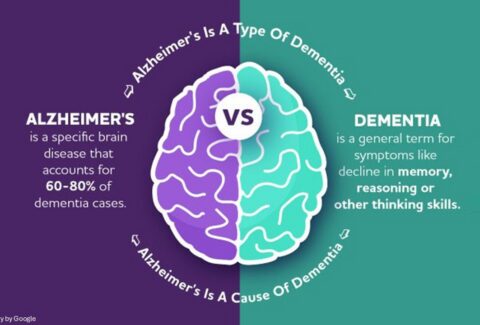
Dementia is not a single disease but a collection of symptoms that affect memory, reasoning, and behaviour. There are different types of dementia and many conditions that cause it. One of the conditions is mixed dementia, in which more than one type of dementia occurs simultaneously. The most common cause of dementia is Alzheimer’s disease, which accounts for about 60 to 80 % of dementia cases. Dementia is not considered a normal part of ageing. It generally occurs when damage to brain cells impairs communication, ultimately impairing thinking, behaviour and feelings. Alzheimer’s is a progressive brain disease which usually develops due to complex brain changes leading to cell damage. It contributes to dementia symptoms that worsen over time. Commonly reported early symptoms of Alzheimer’s are difficulty remembering new information because the brain disorder typically affects the part of the brain that is responsible for learning and thinking skills. The good news is that certain brain exercises can help control the severity of these conditions. Yes, a rapidly growing body of research suggests that exercise may attenuate cognitive impairment and reduce dementia risk.
Role of mental exercise in reducing the risk of dementia
Keeping the brain active means building reserves of healthy brain cells; therefore, the role that brain exercises play in reducing the risk of Alzheimer’s disease and other forms of dementia has been a topic of considerable research. According to various clinical studies, engaging in more mentally stimulating activities is associated with better cognitive function, which ultimately contributes to a reduced risk of developing dementia. When people keep their minds active, their memory and thinking power are less likely to be affected by age and by dementia, such as Alzheimer’s. The mental workout may build brain reserves that help compensate for the damage caused by Alzheimer’s disease. Once the brain begins to function properly, the onset of dementia may be delayed.
What type of exercise is required for the brain?
To remain proactive in your fight against dementia, it is important to exercise your brain with the right brain-enhancing activities. You may want to focus on exercises that help to overcome the problem. Brain activities use more of your brain and keep it sharper. Games, puzzles, and other types of brain training may help improve thinking and slow memory loss and other mental problems.
According to research, people who took the training showed improvement in everyday tasks, such as managing money and household chores. One study found that brain exercise prevents memory decline. So, one with dementia should work on memory and building strong connections. Brain exercises to improve memory are among the best tools for preventing memory decline. There are many mind exercises you can do to keep yourself sharp and healthy. The top 5 exercises that are fun for the brain are:
Also Read: 5 Myths about Alzheimer’s disease Debunked
Brain activities to prevent dementia
No single activity keeps your brain engaged; you need a set of exercises to keep it sharp. Start with the one you like most and have fun. It helps your brain to function well. Mental exercises should be an enjoyable part of life. Mental activities may be beneficial when they involve learning and complex tasks that require frequent engagement. Some activities that involve brain workout, and have been associated with a reduced risk of dementia are:
- Reading books, or writing
- Work on crosswords
- Sudoku and other kinds of puzzles
- Playing musical instruments like the piano
- Learning a new language
Most of these activities involve both social interaction and physical activity. Research suggests that combining mental, physical, and social components in activities offers the greatest benefits for reducing the risk of dementia. Brain training games or exercising the brain have not been proven to prevent dementia; they may only delay the onset of dementia due to Alzheimer’s.
Benefits of mental exercises with dementia
Research studies suggest that brain exercises can improve cognitive function and memory in people with dementia. Regular brain training slows the rate of cognitive decline and improves the quality of life of people with Alzheimer’s disease. There is evidence that the decline in cognitive function in people with dementia may be delayed by continuing use of brain-stimulating activities. Brain activities are a natural form of dementia treatment. People with dementia should be encouraged to continue their hobbies and favourite brain activities. For people with dementia, it is important to be mentally and physically engaged to support good cognitive function and mental well-being.
Explore treatment options and where to find
Well, there is no cure for this condition, but medications can help manage symptoms, restore memory, and improve daily functioning. Commonly prescribed Alzheimer’s medications are Admenta 5 mg, Admenta 10mg, Donep 10mg, Donep 5 mg, Rivamer 1.5 mg, Rivamer 3mg, Galamer 4 mg, Galamer 8 mg, and Donamen (5+10) mg.
At AllDayChemist, finding the medicines you need is convenient and affordable. A broad range of both generic and brand-name medications from trusted manufacturers is available at competitive prices. The secure ordering system, discreet packaging, and dedicated customer service can support long-term treatment with minimal hassle. Buying from AllDayChemist helps ensure continuous care while making ongoing therapy more cost-effective. Always use Alzheimer’s medications under the guidance of a qualified healthcare professional to achieve the best possible treatment outcomes.
Takeaway!
Keeping involved and active in the things you enjoy is extremely important if you have dementia due to Alzheimer’s. Rather than giving the activity you find difficult, consider modifying it or breaking it into manageable parts. Prefer not to choose activities beyond your capabilities, as this may result in frustration and a sense of failure.