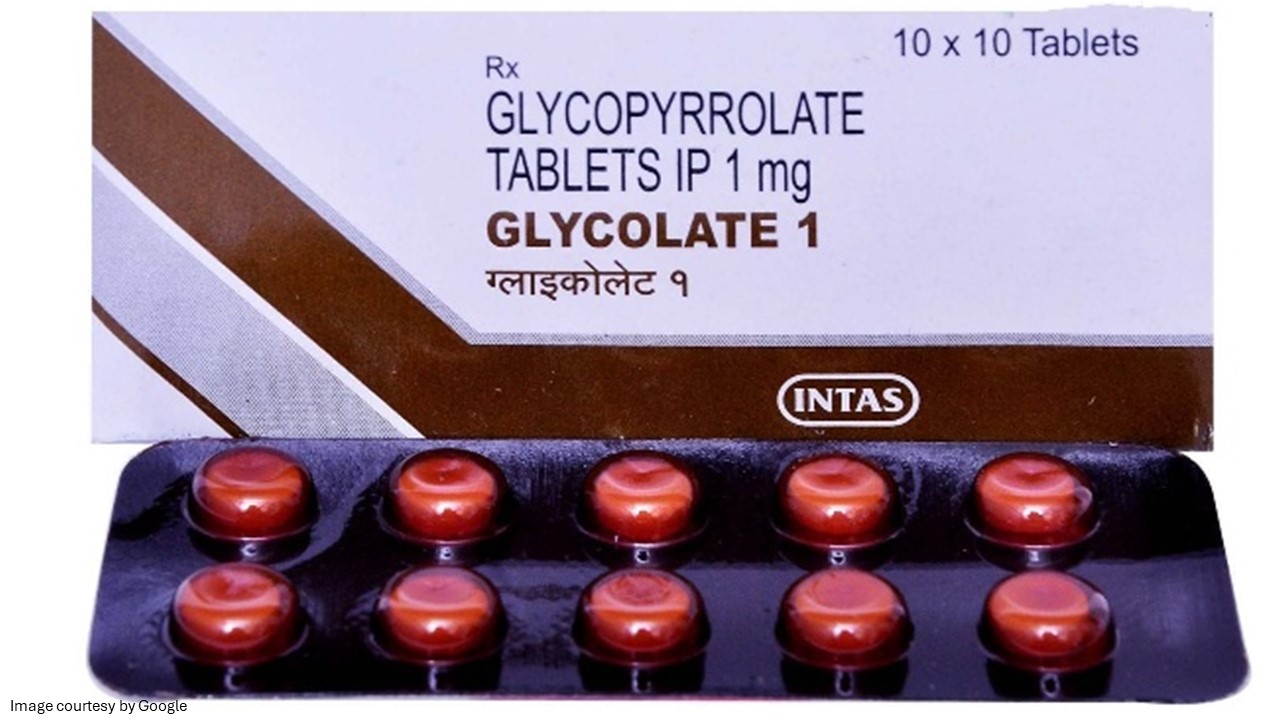
Glycolate 1 mg is prescribed for adults to treat peptic ulcers. This blog will explore the uses, dosage, side effects, and alternatives of Glycolate 1 mg.
Benefits of Glycolate 1 mg
Peptic ulcer disease is a painful condition in which sores or ulcers develop in the inner lining of the stomach or intestine. Tab Glycolate 1 mg contains active ingredients that reduce the acid your stomach produces, preventing further damage to the ulcers as they heal naturally. You may be given other medications depending on the cause of the ulcer. It helps to reduce excessive salivation and sweating.
Mechanism of action
Glycopyrrolate is an anticholinergic agent that inhibits the action of acetylcholine in the stomach and decreases the volume and acidity of gastric secretions. It may be used before operations to reduce body secretions. It is not indicated as monotherapy for treating peptic ulcers because its effectiveness in healing peptic ulcers has not been established.
Dosage and administration
The recommended initial dosage for adults is glycolate 1 mg thrice daily (in the morning, early afternoon, and at bedtime). Some patients need a 2 mg dose to ensure overnight symptom control. As maintenance therapy, a dose of 1 mg twice daily is often adequate. Glycolate 1 mg tabs are recommended, as the lower dosage strength is appropriate for initial or maintenance treatment. It is always best to use the lowest recommended dose of glycolate to gain symptomatic control.
Contraindications
Patients at risk for life-threatening problems due to an underlying medical condition, including glaucoma, myasthenia gravis, prostatic hypertrophy, intestinal obstructive diseases of the gastrointestinal tract, bleeding gastrointestinal ulcer, and active inflammatory or infectious colitis. The medicine should not be given to patients with hypersensitivity to glycopyrrolate or to any of the other ingredients in a 1 mg tablet.
Warnings and precautions
Glycopyrrolate 1 mg may increase intraocular pressure (IOP) in patients with glaucoma and reduce the effects of antiglaucoma agents. If this is the case, patients are instructed to discontinue treatment and immediately seek medical help if they develop symptoms of acute angle-closure glaucoma. The symptoms of acute angle-closure glaucoma are pain and reddening of the eyes with dilated pupils.
Glycopyrrolate may worsen intestinal obstruction. Diarrhea may be an early indication of intestinal obstruction. If any intestinal obstruction (partial or complete) is suspected, discontinue using the tablets.
This medicine, used for peptic ulcers, reduces gastrointestinal motility and may cause delayed gastric emptying, constipation, and intestinal pseudo-obstruction and may cause or worsen paralytic ileus. The risk of developing gastrointestinal side effects further increases with the use of other anticholinergics and other medications that increase gastrointestinal peristalsis.
Glycopyrrolate may cause blurred vision and drowsiness, and may affect the mental and physical abilities needed to perform hazardous activities, such as driving a motor vehicle. Concomitant use of other anticholinergic medications may increase these effects. Patients are instructed not to operate motor vehicles, operate other dangerous machines, or engage in other hazardous activities until they are reasonably certain that a glycopyrrolate 1 mg tablet will not adversely affect them. Discontinue treatment if signs or symptoms of cognitive or visual impairment develop. Glycopyrrolate should not be used when:
- In high environmental temperatures, heat prostration may cause fever and heatstroke, and glycopyrrolate tablets may be used to reduce sweating, particularly in elderly patients. When using glycopyrrolate tablets, patients are advised to avoid sun exposure and to avoid hot or very warm environments. The medication is not recommended in geriatric patients.
- Glycopyrrolate medication is not recommended in patients with other conditions such as hyperthyroidism, autonomic neuropathy, cardiac disease, and hiatal hernia related to reflux esophagitis and in patients taking other anticholinergic medications.
- Elderly patients 65 years of age and older are at increased risk of side effects associated with the use of Glycolate 1 mg that may lead to complications of bowel obstruction, arrhythmias, heat prostration, and falls and fractures. Glycolate medication is not recommended in elderly patients and should not be used in some elderly patients with underlying conditions.
- The safety and effectiveness of this medication in pediatric patients have not been established.
- Pregnancy – Over decades of use, data are absent on orally administered glycolate in pregnant women, including an absence of any reports of a medication-associated risk of major birth defects, miscarriages, or other side effects.
- Renal insufficiency –The kidney excretes glycolate. Monitor patients with renal insufficiency for anticholinergic side effects. If side effects occur, discontinue treatment.
 Side effects
The following side effects of Glycopyrrolate Glycolate 1 mg or other anticholinergic medications were identified in clinical studies. These include:
- Cardiac disorders: hypertension, tachycardia, and chest pain
- Eye diseases: dilation of the pupil, blurred vision, increased ocular tension
- Immune system disorders: anaphylaxis
- Gastrointestinal disorders: constipation, dysgeusia, bloated feeling, nausea, vomiting
- Respiratory disorders: throat irritation, respiratory depression
- Renal and urinary disorders: urinary retention, urinary hesitancy
- Nervous system disorders: Dizziness, headache, agitation, mental confusion, weakness, nervousness, insomnia
- Endocrine disorders: decreased sweating
- Reproductive system and breast problems: Impotence, suppression of lactation
- Vascular disorders: flushing 9
Glycolate – Where to buy?
Choose a renowned pharmacy to get genuine medicine supplies. All Day Chemist offers authentic medicine supplies delivered to your doorstep at affordable prices. Check the strength of the Glycopyrrolate Glycolate tablet you were prescribed. Your healthcare provider may recommend another medication to treat peptic ulcers if Glycopyrrolate Glycolate 1 mg doesn’t suit you. Check the gastro health category to access medicine information and find the best one you are prescribed.
Also Read: Chronic Constipation vs Occasional Constipation: What is the Difference ?