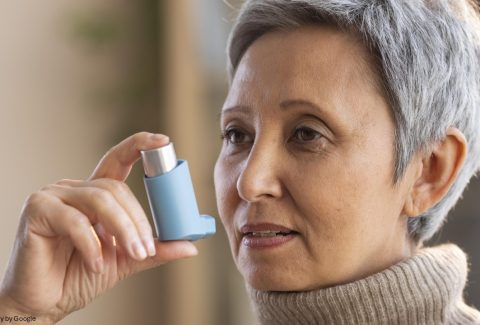
Why air pollution is the biggest trigger for asthma?

Asthma is a chronic inflammatory airway disease characterised by respiratory symptoms such as chest tightness, wheezing and shortness of breath. The relationship between air pollution and asthma is unclear; it is important to educate asthmatic patients about the potential risks of air pollution.
How does air pollution affect asthma? The association between asthma and air pollution remains unclear, especially because while individuals may blame the condition on factors such as allergies and genetics, environmental factors also play a significant role in the disease’s incidence. Asthma is recognised as a chronic inflammatory disease of the airways, associated with bronchial hyperresponsiveness and reversible airflow obstruction. The disease primarily targets the lungs and causes problems breathing.
Here, it is important to note that although asthma is widely known to affect the lungs, it also affects the entire respiratory tract. This is evident, as it is often accompanied by conditions such as allergic rhinitis. Some of its signs include coughing, shortness of breath, chest tightness, and wheezing. Allergic and non-allergic stimuli trigger asthma, leading to chronic airway inflammation in the long run. Asthma can be caused by genetics, obesity, tobacco use, microbial or parasitic infections, psychological stress, diet, perinatal exposures, and indoor and outdoor pollutants. The disease has a significant effect on healthcare systems and the quality of life of those suffering from it and their families. Asthma patients frequently need hospital visits. Apart from that, persistence of asthma symptoms leads to increased absence from work and school by the patients as well as an increase in morbidity. Overall, the disease limits daily activities. Asthma currently has no cure; however, prescription-strength medications are used to control symptoms.
An understanding of air pollution
Air pollution refers to physical, chemical, or biological components in indoor or outdoor environments that alter the natural characteristics of the atmosphere. The primary pollutants considered harmful to people are particulate matter, ozone, carbon monoxide, sulfur dioxide, and nitrogen oxides. Power plants, motor vehicles, factories, refineries, and gas stations are sources of these dangerous pollutants. Ground-level ozone forms when volatile organic compounds, nitrogen oxides, and sunlight mix. This ground-level ozone is also known as smog. Particulate matter can enter the lungs and even penetrate the bloodstream, leading to chronic health effects. These pollutants, either alone or in combination, can contribute to respiratory issues. Exposure to air pollution has both short-term and long-term effects on one’s health. Asthma, respiratory infections, or chronic obstructive pulmonary disease (COPD) symptoms that may cause flare-ups appear as short-term consequences. Whereas cardiovascular diseases, lung cancer, stroke, and other chronic diseases are considered long-term consequences of air pollution.
Air pollution and asthma statistics: It has been estimated that half of the American population lives in areas with unhealthy levels of air pollution. As per data released by the World Health Organisation (WHO), air pollution is responsible for about 6.7 million premature deaths annually.
Both indoor and outdoor sources of air pollution are the main contributors to respiratory and other conditions, as well as a substantial cause of morbidity and death. According to data released by the World Health Organisation (WHO), low- and middle-income countries have the highest exposure, with 99% of the world’s population breathing air with pollutant levels exceeding WHO-recommended limits.
Air quality and respiratory health: Asthma patients are more likely to experience breathing problems in smoggy or otherwise polluted areas. Poor air quality can contribute to flare-ups and increase the risk of developing respiratory infections, such as the flu, which can worsen asthma symptoms.

Connection between asthma and certain air pollutants
Six atmospheric substances harm health, including small dust particles that easily enter the lower respiratory tract. One of the biggest air pollutants is carbon monoxide. It is considered an important element in detecting asthma and assessing asthma control. Research shows that during asthma exacerbations, carbon monoxide levels increase. Additionally, average carbon monoxide levels are higher in children with asthma than in those without asthma. Excessively high levels can be associated with a greater chance of partially controlled or uncontrolled asthma. A positive association is thus approved between the average level of carbon monoxide and one’s asthma status. Several studies have demonstrated a consistent link between asthma and carbon monoxide. When it comes to sulfur dioxide, research shows mixed results. While some studies suggest a significant association between asthma and pollutants, others have found no such link. Some studies suggest that exposure to ozone increased the risk of asthma.
In general, most studies have found a positive association between asthma and pollutants. But a study found a negative association between asthma exacerbations and pollutant concentrations. However, these studies did not accept this seasonal pattern between the two. Nitrogen dioxide is also linked to pollution induced asthma exacerbations. One study has also highlighted the pollutant’s ability to cause asthma. In addition to these pollutants, inhalable particulate matter is a well-established hazardous pollutant.
Research shows that high concentrations of particulate matter are associated with higher mortality rates and increased incidence of many diseases. Particulate matter has also been known to increase oxidative stress. Some studies failed to find a positive association between the pollutant and asthma. Most research studies have demonstrated a link between the pollutant and children. High concentrations of particulate matter are associated with cardiovascular, central nervous system, and respiratory diseases. Other research studies have demonstrated that concentrated or high exposure to particulate matter contributes to an increased risk of asthmatic exacerbation. The research has also concluded that short-term exposure to particulate matter for a week or two increased exacerbation risk in asthmatic children. Thus, particulate matter significantly affects asthma. Discuss with your healthcare specialist what to add to your asthma action plan.
Dealing with air pollution
If asthma and air pollution are linked, it means that if air pollution triggers asthma symptoms, you will want to avoid it whenever possible. Here are the tips for days when the air quality is bad:
-
- Switch on the air conditioner, which helps to filter the air.
- Indulge in outdoor activities early in the day
- Refrain from visiting places with heavy traffic.
- If you wish to play a sport best played in hot weather, discuss with a physician the practices that help you avoid breathing in dirty air. You may be asked to work out in an air-conditioned gym or miss some practices.
Your physician might suggest additional, effective ways to manage smog or poor air quality. Whatever the condition, keep the asthma medicine you use for quick symptom relief (such as rescue, quick-relief, or fast-acting) handy to help relieve pollution-induced asthma symptoms.
Conclusion
Asthma is a chronic respiratory condition that requires self-protection and can be effectively managed by identifying and avoiding triggers. Air pollution is considered the major cause of asthma. Based on air pollution and asthma statistics, there is a significant association between the two. Sources of air pollution contribute to varying degrees of asthma. Asthma has a wide range of triggers, including particulate matter, traffic-related air pollutants, industrial gases, and indoor triggers. To reduce the impact of these triggers on asthma patients, measures include avoiding high-traffic routes, using personal protective equipment, maintaining higher levels of home hygiene, and avoiding vigorous physical activity, as recommended by the Centres for Disease Control and Prevention (CDC). Moreover, you can discuss air quality and respiratory health management with your healthcare specialist.