
8 MOST COMMON FOOD ALLERGIES
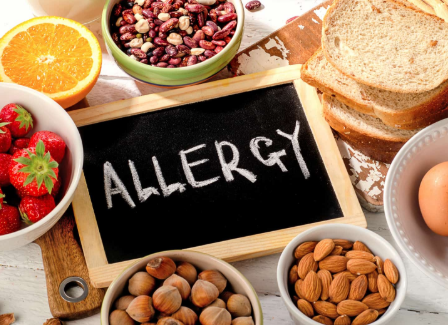
According to research, it is estimated that up to 15 million people in the USA have a food allergy. Food allergy affects up to 6-8% of children under age 3. If you have an unpleasant reaction to something you have eaten, you might think you have a food allergy. The condition is commonly suspected but is less frequently diagnosed by health care specialists.
Foods known to cause skin allergies and most allergic reactions in adults include peanuts, tree nuts, fish, eggs, milk, and wheat. A food allergy is an abnormal response of your immune system to certain foods. An allergic reaction to food can cause an itchy skin rash, serious illness, and, in some cases, death.
If you think you are allergic to one of these foods, talk to your health care specialist and clear your doubts. Your health care professional may prescribe your allergy medicine to treat your condition.
Common Food Allergies
- Milk –One of the most common types of food allergies is to dairy products. Many people confuse lactose intolerance with dairy allergy, but when someone is allergic to dairy, the symptoms affect much more than just the digestive tract. A milk allergy occurs when the immune system doesn’t recognize dairy products and attacks them by producing histamines. People with a milk allergy can develop severe symptoms such as breathing difficulties or an uneven heartbeat.
- Peanuts – Peanut allergies are another common childhood allergy that can remain into adulthood. The reason why people develop peanut allergy is still not understood, and it is believed that people with a family history are more likely to develop peanut allergies. Allergy to peanuts affects around 4 to 8 of children and 1 -2% of adults. However, in around 15 to 22% of children, peanut allergy resolves as they move into their teenage years. A peanut allergy may lead to a severe health condition, which in turn can cause a severe allergic reaction. The only effective way to treat peanut allergy is to avoid peanuts or products containing peanuts completely. However, new solutions are being developed for treating children with peanut allergies. It is believed that giving a small number of peanuts under the supervision of a healthcare specialist can desensitize them to the allergy.
- Wheat –An allergic reaction to wheat is a response to a protein found in the wheat. The type of allergy is more likely to affect children. However, most children outgrow this wheat allergy by age 10. An allergic reaction may cause hives, digestive distress, vomiting, swelling, rashes, or severe anaphylaxis.
- Soy –According to data, it has been estimated that soy allergies affect around 0.4% of children, and it is most likely to develop in infants and children under 3 years of age. A soy allergy is thought to be triggered by a protein in soybeans or products that contain soybean. Most children who are allergic to soy outgrow their allergy as they age. The symptoms include an itchy, tingling mouth, rash, breathing problems, runny nose, and asthma.
- Tree nuts –A tree nut allergy is an allergic reaction to eating seeds that come from trees. Another common type of food allergy is a tree nut allergy. Tree nuts include almonds, walnuts, brazil nuts, cashews, pine nuts, pistachios, and macadamia nuts. A person having a tree nut allergy will also be allergic to food products made with any of these nuts. It is advised to avoid all types of nuts and nut oils, even if a person is allergic to one or two types of nuts, to eliminate tree nut allergy from their life. Being allergic to one kind of tree nut increases your risk of developing an allergy to other tree nuts.
- Eggs – An egg allergy is the second most common food allergy in children. In most children, the allergy resolves by age 16. Symptoms of an egg allergy include:
- Digestive tract problems, such as stomach pain
- Skin reactions such as a rash or a hive
- Respiratory issues
- Anaphylaxis (a rare allergic reaction)
- Shellfish-A shellfish allergy is caused by eating any of these:
- Shrimp
- Squid
- Scallops
- Lobster
- Prawns
- crayfish
Symptoms of a shellfish allergy include vomiting, diarrhea, and stomach pain.
- Fish –Fish allergies are common in adults. It can be serious and cause harmful effects. The main symptoms are vomiting and diarrhea, and anaphylaxis occurs in rare cases.
How to treat food allergy?
Food allergy treatment primarily involves avoiding the trigger food and carefully reading ingredient labels. Mild symptoms may be relieved with antihistamines, while severe allergic reactions (anaphylaxis) require immediate treatment with epinephrine and emergency medical care. Consult a healthcare professional for diagnosis and long-term allergy management.
AllDayChemist offers medications to help manage symptoms associated with food allergies, such as itching, hives, skin rashes, and mild allergic reactions. Common options include antihistamines such as cetirizine, levocetirizine, fexofenadine, loratadine, and desloratadine, which block the effects of histamine released during an allergic response.
If you suspect a food allergy, consult an allergist or healthcare provider for proper diagnosis and treatment recommendations. Always seek immediate medical attention if you experience symptoms of a severe allergic reaction, such as difficulty breathing, throat swelling, dizziness, or loss of consciousness.