
HOW TO OVERCOME AN ALLERGY?
HOW TO OVERCOME AN ALLERGY?
Imagine waking up one morning, eyes puffy, nose running, and sneezing nonstop. Sound familiar? That’s your body sending you a clear message: you have encountered something it doesn’t agree with. An allergic reaction has begun.
The first and most important lesson is to understand what triggers your skin and how to avoid it. Every spring, as flowers bloomed and trees came alive, many people’s misery began due to pollen allergies. In such a case, making small but meaningful changes is important.
So, once you know you have an allergic reaction, it’s time to manage it. Probably, first, we can try to avoid things we are allergic to.
Allergies are a common cause of a runny nose or illness and can affect people at any stage of life. The causes of seasonal allergies can be many, ranging from pollen to medications, making it challenging to know which treatments or home remedies are best. Data suggest that more than 50 million people in America suffer from an allergic reaction every year, and the best allergy prevention will depend on the cause and severity of the reaction. In this blog, we will check a range of treatments and the best tips for allergy prevention.
With every passing year, allergies are becoming more common. They are one of the leading causes of chronic illness in the United States. If your allergic reaction is interfering with your life, you may be wondering how to get relief. An allergic reaction happens when you come into contact with an allergen, and your immune system releases antibodies. These antibodies produce histamine, a chemical that causes symptoms such as a runny nose, itching, and congestion. Common allergens include dust, certain foods, dust, pet dander from dogs and cats. You may be able to get rid of environmental allergies, however. Read on to learn what you can do to eliminate your allergies.
Allergic reactions can seriously affect the quality of your life. There are several options available for treating allergic reactions, and many people are looking for quick allergy prevention. Try these strategies today to get some relief.
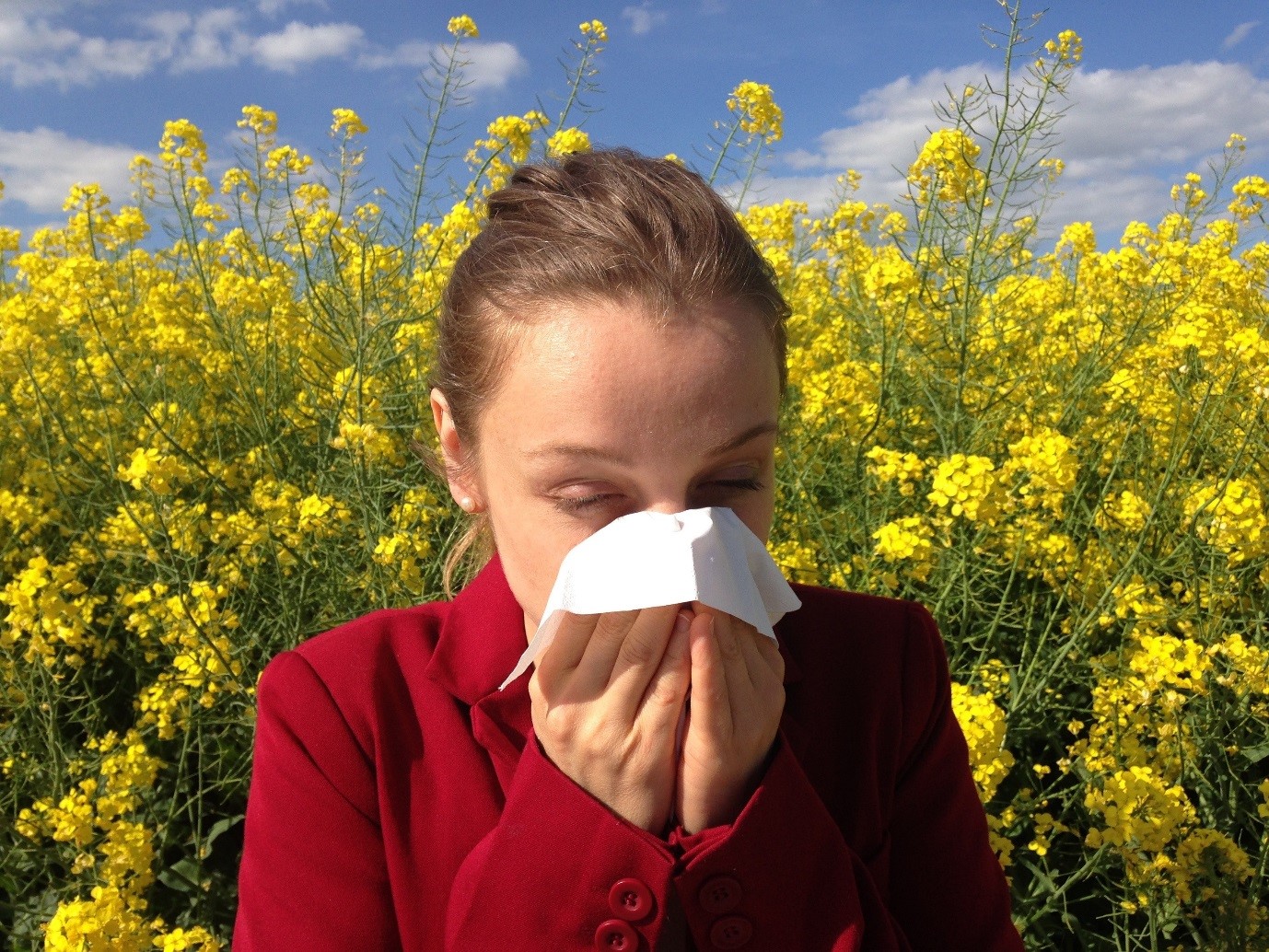
- Limit your outdoor activities- The spring season brings billions of tiny pollen grains into the air. When you inhale them through your nose, they can trigger an allergic reaction. Restricting outdoor activities, especially during spring, can help prevent allergies. Stay inside, especially when the pollen counts are the highest. When you go outside, make sure you wear sunglasses to keep pollen out of your eyes. Wear a filter mask when you work in the garden. A variety of masks are available; ask your physician which one works best for you. Once you return home, be sure to take a shower, wash your hair, and change your clothes.
- Take medications for allergy prevention- Medicines can help both adults and children with a runny nose: Ciplactin, an allergy prevention drug that works by blocking the body’s response to allergens. Ciplactin 4 mg can make you feel drowsy, so you should take it under a physician’s supervision. For more severe allergies, nasal sprays are available; you can use them after speaking with your health care expert. However, these nasal sprays take a few days to work, so don’t expect symptoms to vanish right away. These can also have side effects such as nosebleeds, itching, burning, or dryness. Your physician will recommend the lowest effective dose to control your symptoms. Your health care specialist may prescribe allergy injections if other medicines do not relieve your symptoms.
- Take precautions before you got allergic- Once you notice those watery eyes after sneezing nonstop, start taking medicine as soon as possible, or at least a week before the season begins. Experts suggest that this way, medication will be in your body system by the time your body needs it. This way, you will be able to protect yourself early on.
- Try natural remedies- Some herbal remedies may help you get rid of allergic symptoms. Several traditional medicines include herbal extracts to prevent seasonal allergies. However, there is not enough evidence to support the use of natural or herbal supplements. Some people with allergic reactions may find relief from their symptoms. Try the following natural treatments for allergies:
- Dietary modifications– A low-fat diet, including whole grains, vegetables, and beans, may reduce allergic symptoms.
- Herbal supplements– Herbal supplements containing Vitamin A, C, and E, zinc, and flaxseed are known to improve allergy symptoms.
- Acupuncture- Acupuncture treatments can be beneficial for many people with different types of allergic reactions. This therapy may help some people find relief from their symptoms.
- Bioflavonoids- These are plant-based chemicals present in citrus fruits and blackcurrants. They are known as antihistamines. Nothing can be better than taking them naturally; if not possible, you can take them as supplements after consulting your health care provider.
How to buy allergy medicine from AllDayChemist?
Buying allergy medicine from AllDayChemist is straightforward. Simply search for the allergy medication you need on the website, such as antihistamine medicine like cetirizine, fexofenadine, loratadine, levocetirizine, and desloratadine, allergy eye drops, or nasal allergy treatments. Review the product details, available strengths, and pricing to choose the option that best suits your requirements. Add the selected medicine to your cart and proceed to checkout. You will need to create an account or sign in to complete your order. Enter your shipping and billing information, upload a prescription if required for the medication, and select your preferred payment method.
Before confirming your purchase, review your order details carefully, including the medicine name, quantity, and delivery address. Once the order is placed, you will receive an order confirmation and can track its progress through your account. AllDayChemist ships medications securely and discreetly, helping customers conveniently access allergy treatments from the comfort of their homes. Always consult a doctor before starting any new medication.
Conclusion:
A lot of people experience allergic reactions every year, especially when they are exposed to specific allergens, such as pet dander, pollen, or compounds in beverages, foods and personal hygiene products. Allergy prevention depends on the cause, though most minor allergic reactions can be treated with over-the-counter products and other natural treatments. In severe cases, an individual must seek immediate medical attention to treat chronic allergic reactions.
Knowing your allergy is half the battle. Avoiding your triggers is the other half. Together, they put you back in control.