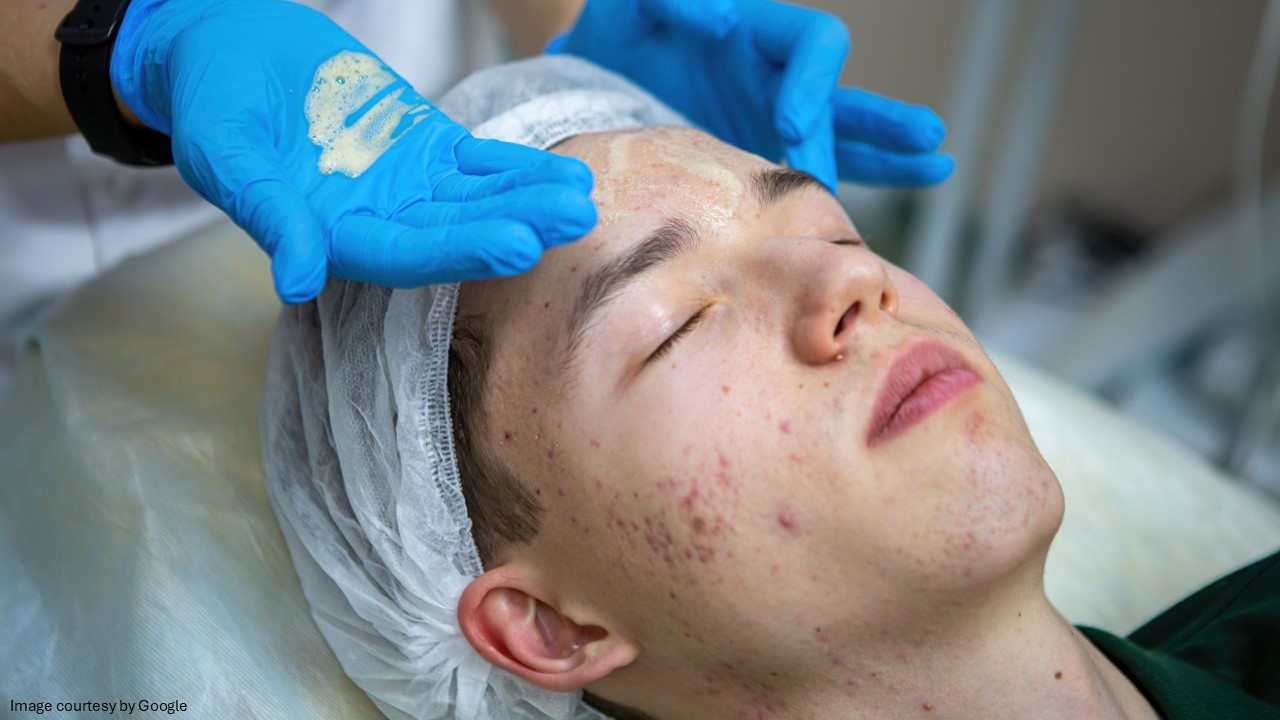
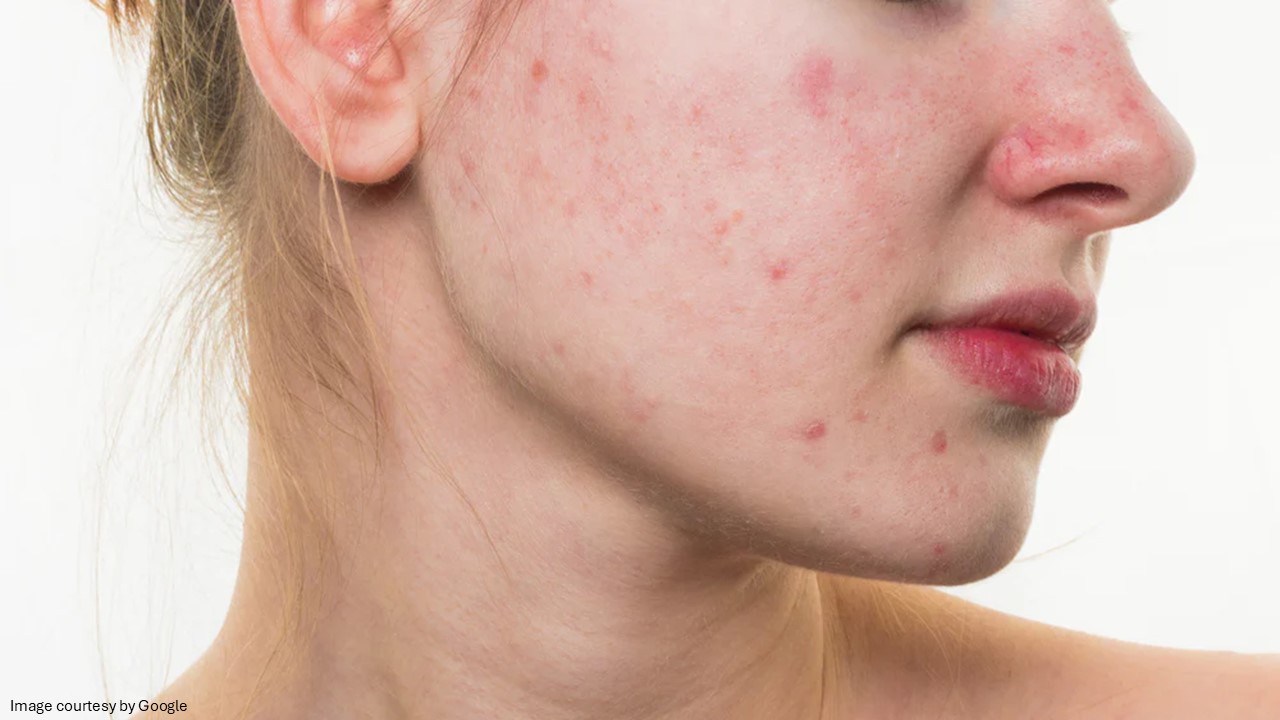
Acne is one of the most common skin disorders diagnosed and treated by dermatologists in the United States and worldwide. How to get rid of acne? This article provides guidance on the clinical management of acne in adults and adolescents, as well as important acne prevention tips. The guidelines here focus on the latest treatments for acne.
Acne management options
Skincare
The first step in managing acne is to adopt a gentle acne skincare routine. The skin should be washed gently with warm water once or twice daily. Harsh or other abrasive products should be avoided, and only mild, non-comedogenic cleansers should be used to cleanse the face. Detergent-based soaps, toners, and astringents can cause skin dryness and irritation. While they can remove oil and sebum from the skin’s surface, they do not alter sebum production within the oil gland.
Options for acne treatment include topical therapies (available over the counter or by prescription), hormonal agents, systemic antibiotics, physical modalities, complementary and alternative medicine, and dietary and environmental strategies. Given the wide range of latest treatments for acne, shared decision-making is crucial to individualise acne care based on potential treatment benefits and risks, acne severity and site, patients’ preferences, treatment costs, and other factors.
Topical therapies
Topical therapies are considered first-line options for acne vulgaris; they are used for initial treatment and maintenance as monotherapy (except for topical antibiotics) or in combination with other topical or oral agents. The most commonly prescribed topical acne treatments include retinoids, azelaic acid, antibiotics, and salicylic acid. When managing acne with topical treatments, multimodal therapy combining multiple modes of action is advised to optimise effectiveness and reduce the risk of antibiotic resistance.
Retinoids
Topical retinoids have evolved over the past several decades and are used in dermatological conditions. These are vitamin A derivatives and serve as the gold standard for acne treatment because they are comedolytic and anti-inflammatory, improving hyperpigmentation and helping maintain acne clearance. There are four types of topical retinoids: tretinoin and adapalene. All these are FDA-approved for acne treatment in the US. Each retinoid differs in activity, tolerability, and effectiveness. Dermatologists recommend topical retinoids as an effective option for acne treatment, depending on the severity of the condition.
The use of topical retinoid may be limited by side effects, including dryness, increased sensitivity, exfoliation, erythema, peeling, and pain. Existing comparative effectiveness data do not suggest superiority of any one topical retinoid over another in terms of effectiveness and tolerability, as differences depend on specific concentrations and formulations. Irritation is commonly associated with higher concentrations and may be treated by reducing frequency of use and by concurrent use of emollients. Retinoids like tretinoin, adapalene, or tazarotene should be applied in the evening due to their photosensitivity, and they should not be applied with benzoyl peroxide to avoid oxidation and inactivation. Concurrent daily use of sunscreen can reduce the risk of sunburn.
Topical antibiotics
Topical antibiotic formulations such as clindamycin, erythromycin, and minocycline are used to treat acne through both antibacterial and anti-inflammatory effects. In clinical trials, topical antibiotics led to a greater reduction in inflammatory lesions. Notably, antibiotic formulations are not recommended due to the risk of antibiotic resistance. Research shows that combining topical antibiotics with benzoyl peroxide improves effectiveness and may help prevent antibiotic resistance. Generally, topical antibiotics are tolerated; rare cases of Clostridium diarrhoea have been reported.
Moreover, fixed-dose combinations of retinoids, benzoyl peroxide, or antibiotics improve treatment adherence. Dermatologists worldwide recommend fixed-dose topical combinations of benzoyl peroxide, a topical retinoid, and a topical antibiotic. Concomitant benzoyl peroxide is suggested with combined retinoid and topical formulation to prevent the development of antibiotic resistance.
Salicylic acid
Salicylic acid is often available over the counter and is recommended for acne treatment, with greater reductions in inflammatory lesions and open comedones.
Azelaic acid
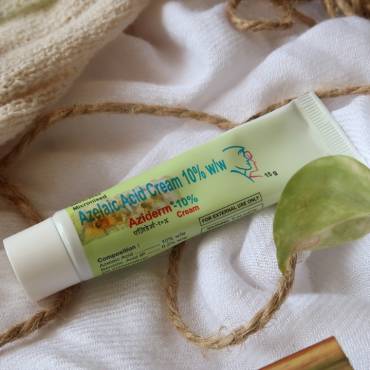
Azelaic acid is an antibacterial and anti-inflammatory agent that may be extremely useful for individuals with darker or sensitive skin, as it helps lighten hyperpigmentation. A new acne treatment has been shown to significantly reduce the total number of pimples when patients use the azelaic acid formulation twice daily.
Consideration of topical treatments
In pregnant women, there is a risk of fetal harm from the azelaic acid formulation. Erythromycin, clindamycin, and benzoyl peroxide are not expected to cause skin absorption. Pregnant women can use salicylic acid if the formulation is to be used on a small area and the duration of therapy is limited. Application to larger skin areas or under occlusion is not advised due to the risk of absorption. There is inadequate data on the safety of dapsone topical solution in pregnant or lactating women. Tazarotene should not be used during pregnancy, as shown in animal studies. However, no human studies have demonstrated a link between retinoids, such as tretinoin, and birth defects; other topical treatments, not retinoids, are preferred for pregnant women. No evidence demonstrates the effectiveness of glycolic acid solution and resorcinol for acne treatment.
Tips to manage acne
If you develop acne, it is essential to manage it to avoid irritation. Here are some acne prevention tips that you can follow to manage acne and avoid further irritation:
-
- Avoid touching or picking at your pimples
- Rinse your face once or twice a day with water and a mild cleanser.
- Use a non-comedogenic and fragrance-free moisturiser that suits your skin.
- Men should be extra cautious while shaving.
- Try using non-comedogenic skincare or makeup products, and be sure to remove makeup at the end of the day before you sleep.
- Regular cleansing of the face, including household items like cell phones, helmets, sunglasses, pillowcases, and clothing.
- While washing your face, gently rub your skin and pat it dry with a towel instead of rubbing harshly. Scrubbing vigorously can promote more acne.
- Wash your hair regularly. Be sure to cleanse your hairline along your forehead.
- Avoid using hair gels and other hair products near your face.
- Last but not least, eating a healthy diet is always good advice, and it may also help your skin to stay healthy and clear.
Using topical formulations, such as over-the-counter acne medications like salicylic acid or benzoyl peroxide, following an acne skincare routine. These formulations come in different forms. A face wash is the least irritating.
Takeaway!
Preventing acne is tough, and it’s almost impossible during normal hormonal changes. But the above-mentioned acne prevention tips may help. If you get a large outbreak or develop large, discoloured, or painful pimples, you should see your dermatologist to receive a prescription-strength new acne treatment.