Early Signs of Parkinson’s and Alzheimer’s Disease: Can a Sense of Smell Be an Early Warning?

Early Signs of Parkinson’s and Alzheimer’s Disease: Can a Sense of Smell Be an Early Warning?
When people think about Parkinson’s disease or Alzheimer’s disease, they usually picture symptoms such as memory loss, tremors, or difficulty with movement. However, research suggests that one of the earliest warning signs may be a reduced sense of smell.
While changes in smell alone do not mean that someone has Parkinson’s or Alzheimer’s disease, scientists have found that olfactory (smell) dysfunction can appear years before many of the better-known symptoms develop. Recognizing these early changes may encourage people to seek medical advice sooner, enabling earlier evaluation and better symptom management.

Also Read: 5 Myths about Alzheimer’s Disease Debunked
Understanding Alzheimer’s disease
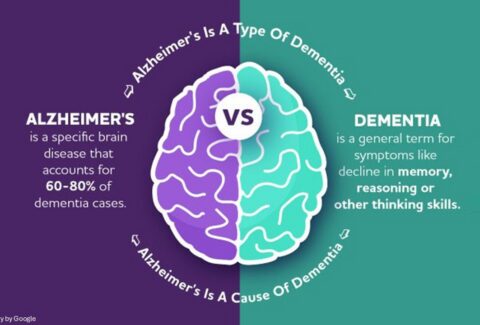
Alzheimer’s disease is a progressive neurological disorder that gradually affects memory, thinking, learning, and everyday functioning. It is the most common cause of dementia and is not a normal part of aging.
In the early stages, people may experience:
- Frequent memory lapses
- Difficulty remembering recent conversations or events
- Trouble finding the right words
- Difficulty planning or solving everyday problems
- Confusion about time or place
- Changes in mood or personality
Although there is currently no cure for Alzheimer’s disease, several medications can temporarily help manage symptoms, improve cognitive function in some people, and support daily living. Early diagnosis also allows patients and families to plan future care and access supportive services.
Understanding Parkinson’s disease
Parkinson’s disease is another progressive neurological condition, but it mainly affects movement. It develops when brain cells that produce dopamine gradually become damaged. Common symptoms include:
- Tremors, especially when resting
- Slowed movement (bradykinesia)
- Muscle stiffness
- Problems with balance and coordination
- Changes in handwriting
- Soft or low-volume speech
However, many people experience non-motor symptoms years before movement problems appear. One of the most well-recognized early non-motor symptoms is a reduced sense of smell.
Why is the sense of smell important?
Among our five senses, smell often receives the least attention. Yet it plays an essential role in everyday life, helping us enjoy food, detect smoke or gas leaks, and recognize familiar environments. Researchers have discovered that the parts of the brain responsible for processing smell may be affected early in both Alzheimer’s and Parkinson’s diseases. As a result, many patients notice difficulty identifying familiar odours long before more obvious neurological symptoms develop. The medical term for a reduced sense of smell is hyposmia, while a complete loss of smell is called anosmia.
What does research say?
Multiple studies conducted in the United States and Europe have shown a strong association between smell impairment and neurodegenerative diseases. Researchers believe that dysfunction of neurotransmitters, chemical messengers that allow nerve cells to communicate, may contribute to olfactory dysfunction in both Parkinson’s and Alzheimer’s disease.
Smell changes in Parkinson’s disease
Loss of smell is considered one of the earliest and most common non-motor symptoms of Parkinson’s disease. Research has shown that:
- Smell impairment may develop several years before tremors or movement problems.
- Many people with Parkinson’s experience some degree of reduced smell.
- Smell testing can sometimes identify individuals who may be at higher risk before classic motor symptoms become noticeable.
According to researcher G. Webster Ross, individuals who perform well on standardized smell tests are unlikely to develop Parkinson’s disease over the next several years. While smell testing alone cannot diagnose Parkinson’s disease, it may provide valuable information when combined with other clinical evaluations.
Smell changes in Alzheimer’s disease
People with Alzheimer’s disease may also experience progressive difficulty identifying odours. Studies suggest that smell impairment becomes more noticeable as Alzheimer’s disease advances, and many patients with moderate to severe disease have significant problems detecting or identifying smells. Interestingly, some research indicates that impaired smell may appear before obvious memory decline in certain individuals, making it an area of growing interest for researchers studying early diagnosis.
Can loss of smell confirm Alzheimer’s or Parkinson’s disease?
The answer is no. Although smell impairment is common in both disorders, it is not specific to Alzheimer’s or Parkinson’s disease. Many other conditions can affect the sense of smell, including:
- The common cold
- Sinus infections
- Allergies
- COVID-19 and other viral infections
- Nasal polyps
- Smoking
- Head injuries
- Age-related changes
- Certain medications
Experts, including researchers from the University of Pennsylvania, emphasize that the most common cause of temporary smell loss is a viral upper respiratory infection, such as the common cold. Therefore, experiencing smell changes does not necessarily mean someone is developing a neurodegenerative disease.
Treatment choices: availability and access
People who have Alzheimer’s and Parkinson’s disease often require long-term treatment to help manage the symptoms and support daily functioning. According to doctors’ recommendations, commonly prescribed medications for Parkinson’s disease may include levodopa/carbidopa, pramipexole, and amantadine. In contrast, Alzheimer’s disease medications include Donepezil (Donep 5 mg, Donep 10mg), Rivastigmine (Rivamer 1.5 mg, Rivamer 3mg), Memantine (Admenta 5 mg, Admenta 10mg) and Galantamine (Galamer 4 mg, Galamer 8 mg). These medications should only be used under the supervision of a healthcare provider. AllDayChemist offers these medications used to manage both Parkinson’s and Alzheimer’s disease. With AllDayChemist, customers can easily access available medications, compare strengths, and refill their orders without visiting a pharmacy. Benefits such as convenience, competitive pricing, and home delivery can be especially helpful for managing chronic conditions and limited mobility.
Also Read: What is Alzheimer’s disease? Causes and Precautions
The bottom line
A reduced sense of smell may seem like a minor inconvenience, but research suggests it can sometimes be one of the earliest signs of Parkinson’s disease or Alzheimer’s disease. However, loss of smell alone is not enough to diagnose either condition, as many common illnesses and age-related factors can also affect the sense of smell. If you or a loved one experiences persistent changes in smell, memory concerns, or movement-related symptoms, seek medical evaluation rather than self-diagnosing. Early assessment can help identify the underlying cause, provide timely treatment when appropriate, and improve long-term management.
Above all, follow your healthcare provider’s advice regarding diagnosis, treatment, and ongoing care. Regular check-ups, prescribed medications, healthy lifestyle choices, and family support remain the foundation of living well with Alzheimer’s or Parkinson’s disease.