Clearing Acne: Supatret C Gel Benefits and How it Works

Supatret C gel is used for the treatment of acne on the skin in patients 12 years of age and older. It may take some time for you to see improvement in the appearance of your acne with this combination gel. After examining your skin, your dermatologist will explain about Supratret 0.04 uses and how long to use it.
Benefits of Supatret C gel
Supatret 0.04 gel formulation combines clindamycin and tretinoin and is more effective at treating acne when these active ingredients are used separately. It is applied to the skin to treat patients with acne vulgaris. Misuse or overuse of this topical medication could promote the growth of bacteria that are not killed by clindamycin. This means that Supatret gel or other clindamycin-containing medications may be ineffective if not used as prescribed.
Management of acne with clindamycin/tretinoin
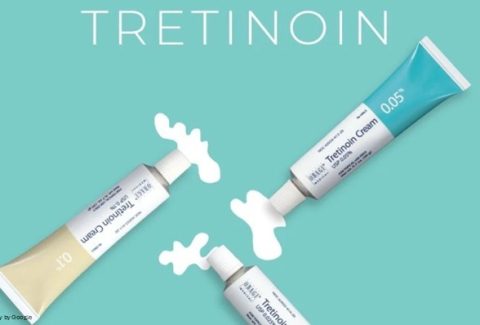
Topical management of acne vulgaris incorporates a variety of agents with diverse modes of action, including retinoids and antibiotics. The first topical retinoid developed for acne therapy was tretinoin, available in the United States. Topical retinoids, including tretinoin, exhibit multiple pharmacologic effects that are believed to correlate with effectiveness for acne treatment, such as reducing inflammatory and comedonal lesions.
The topical antibiotic used for acne treatment, often along with benzoyl peroxide and or a topical retinoid, is clindamycin. Clindamycin is an antibiotic that is closely related to erythromycin. Data suggest that topical clindamycin has been more effective than topical erythromycin in reducing lesions over time. The FDA has approved a combination gel formulation of clindamycin and tretinoin (Food and Drug Administration). It is available in the United States for once-a-day acne treatment in patients twelve years of age and older. This blog reviews key considerations regarding Supratret gel and its ingredients.

Proper use of Supatret gel:
Before bed, gently wash your face with a mild soap and warm water. Pat the skin to dry. Apply a pea-sized amount of the gel to your fingertip, then spread it over your face. Rub gently to smooth it into the skin. Don’t get the Supatret gel 0.04 in your eyes, mouth, lips, or open wounds.
Use a high-quality sunscreen and reapply throughout the day as needed. Avoid applying the gel more than once daily. Excessive usage may irritate your skin. Avoid washing your face more than 2 to 3 times daily. Rinsing your face too often or scrubbing your face may worsen acne. If your facial skin is sunburned, stop applying the gel until you think your skin has healed. To help you use Supatret gel 0.04 correctly, remember these simple instructions. Apply the medicine once daily before bedtime. Do not use more than a pea-sized amount of this combination medicine or apply the product more frequently than instructed. Excessive usage may irritate the skin, waste medicine, and will not show instant results.
Warning and precautions:
Safety and effectiveness in children below 12 years of age have not been established. Supatret tretinoin microsphere gel should not be applied to other body areas or other growths or lesions, as the safety and effectiveness of this combination medication have been evaluated in other disorders.
Caution in the sun:
Treatment with clindamycin/tretinoin may make your skin more susceptible to sunburn, and other adverse reactions associated with sun exposure to natural or artificial light (tanning booths, sunlamps) should be reduced. Skin treated with Supatret gel should be protected when outside, even on hazy days. An effective sunblock should be used whenever you step out in the sun. You can consult your dermatologist for a recommendation on an SPF level that provides the required high level of protection. Use other protective clothing, such as a full-sleeved shirt or a hat, when in the sun. If you get sunburn, stop medication until your skin has healed.

Avoid excessive sun exposure to cold and wind:
Extreme climate conditions cause drying or burning of normal skin. Skin treated with this combination of medicines may be more vulnerable to these extremes. Your healthcare provider suggests ways to manage acne treatment under such conditions. Use other medicines only on your dermatologist’s advice. These formulations may include certain astringents, alcohol, lime, medicated soaps, shampoos, and hair solutions.
Possible side effects
Supatret may cause skin irritation (redness, peeling, dryness, burning, and stinging). Stop this medication and speak to your healthcare provider if your skin becomes red, blistered, swollen, and crusted. The combination may cause a temporary change in skin color.
Colitis is rare; stop taking the medication and speak to your dermatologist if you develop severe watery diarrhoea or bloody diarrhea.
Read More: How Supatret Gel Helps To Fight Acne
The best way to buy acne product
Buying the right acne product is less about brand or generic and more about choosing the right ingredient for your skin type and acne type. Most people waste money by choosing trendy products instead of targeted ones. Let your doctor decide the best product for your skin condition; once he prescribes a product, you can later choose a brand or generic acne product like Supatret gel, keeping your budget in mind. AllDayChemist offers a wide range of acne products at reasonable prices.
The bottom line
Supatret gel has been introduced into the US marketplace for acne therapy. It combines clindamycin and tretinoin and, therefore, is extremely effective in treating acne compared to when these active ingredients are used separately. Clindamycin limits bacterial growth associated with acne and the inflammation caused by these bacteria. Meanwhile, tretinoin normalizes the growth of superficial skin cells and supports the normal shedding of cells that clog hair follicles in acne-prone skin.