Tretinoin Before and After: What to Expect at 1, 3, 6, and 12 Months
If you’ve just started Tretinoin or you’re about to, you’ve probably already searched for Tretinoin before after photos to review results. Tretinoin is one of the most researched skincare ingredients available, backed by decades of dermatology data on acne, fine lines, and uneven texture. But it’s also famous for testing people’s patience. Real tretinoin results don’t happen overnight, and knowing what to expect at each stage can be the difference between sticking with it and giving up too soon.
This guide walks through a realistic month-by-month timeline, from the rocky first few weeks to the dramatic changes that show up closer to a year in, so you know exactly what’s normal and when to expect real progress.
How does Tretinoin actually work?
Tretinoin is a topical retinoid, a vitamin A derivative that speeds up skin cell turnover, unclogs pores, boosts collagen production, and fades discoloration over time. Because it works at a cellular level, it doesn’t produce instant before after tretinoin transformations the way a filler or peel might. Instead, tretinoin results build gradually as your skin adjusts, sheds old cells faster, and rebuilds healthier tissue underneath. Patience and consistency matter more with Tretinoin than almost any other skincare ingredient. Most dermatologists will tell you not to judge your progress until you’ve hit at least the three-month mark. Often, dermatologists prescribe combination medicines to treat your acne more effectively. Explore the wide range of acne products to find the one you are prescribed.
Month 1: The adjustment phase
The first month is rarely glamorous. Many users experience what’s commonly called the “tretinoin purge,” a period where skin looks worse before it looks better. This typically starts around weeks 2 to 3, peaks near weeks 3 to 4, and begins settling down by weeks 6 to 8.
What happened in the first 1 month: Tretinoin accelerates the turnover of skin cells, which pushes existing clogged material to the surface faster than usual. This can look like an acne flare-up, along with redness, dryness, flaking, and general sensitivity. At this stage, don’t expect meaningful before after tretinoin comparisons yet. Your skin barrier is adjusting to a new active ingredient, and the priority should be minimizing irritation, not chasing results. Using a gentle, fragrance-free moisturizer and applying Tretinoin every other night at first can help ease the transition.
Month 3: Early Tretinoin results emerge
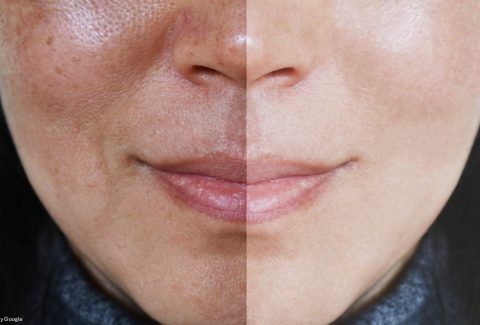
By month three, most users start seeing the first real signs of progress. Inflammatory acne (the red, swollen kind) typically shows noticeable improvement by this point, and skin texture starts to feel smoother as cell turnover normalizes. This is usually when the first genuinely encouraging before-and-after comparisons start to appear. Pores may look tighter, breakouts less frequent, and overall tone slightly more even. Post-inflammatory marks from old breakouts may also begin to fade, though full clearing takes longer.
If you’re using a tretinoin formula like Retin-A or A-Ret gel range, month three is often when users report their skin finally starting to “behave,” with fewer flare-ups, less reactivity, and the first hints of the smoother texture tretinoin is known for.
Month 6: Visible, consistent change
Six months in, tretinoin results before and after tend to become much more obvious. Comedonal acne (blackheads and whiteheads) and rough texture, which take longer to resolve than inflammatory breakouts, are typically much improved by this stage. Fine lines and hyperpigmentation also show significant fading between months three and six, with post-inflammatory marks often substantially lighter by month six.
This is often the point where people pull out their original before after tretinoin treatment photos and are genuinely surprised by the difference. Skin tone looks more even, texture is smoother, and pores appear smaller. Many long-term users of the Tretinoin A-Ret gel range describe this as the stage where this formulation shifts from “a routine I’m sticking with” to “a routine I can’t imagine skipping.”
Month 12: The full transformation
By the one-year mark, Tretinoin is working on a deeper level. Collagen remodeling, the process responsible for smoother, firmer, more youthful-looking skin, becomes measurable after six or more months of consistent nightly use, and continues improving through the twelve-month mark. At this stage, most users have moved past active breakouts almost entirely (assuming consistent use and appropriate strength), fine lines are noticeably softer, and dark marks from old acne have largely faded. The one-year comparison is typically where Tretinoin’s reputation as a gold-standard anti-aging and anti-acne ingredient really proves itself.

Choosing the right Tretinoin strength
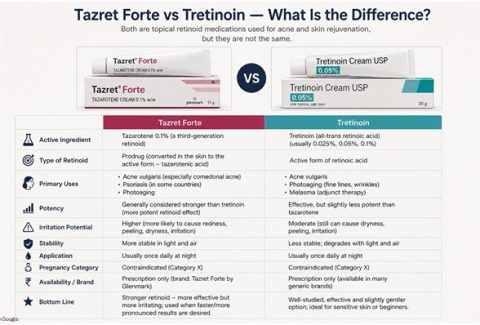
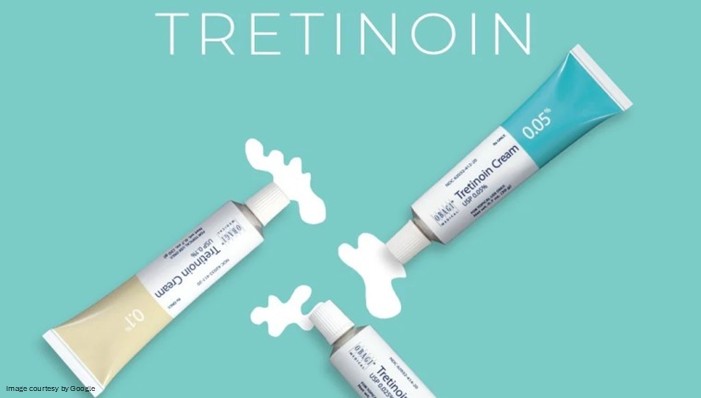
Tretinoin is available in different concentrations, and starting at the right strength makes a real difference in how smoothly your first few months go. The Tretinoin range from AllDayChemist.com offers multiple strengths, making it easier to start low and build tolerance rather than jumping straight into a concentration your skin isn’t ready for.
- Lower strengths are a good starting point for beginners, sensitive skin, or anyone new to retinoids.
- Mid strengths suit users who’ve built up some tolerance and want faster progress.
- Higher strengths are typically reserved for more resistant acne or advanced anti-aging goals, usually under dermatologist guidance.
Working with a formula you can adjust to your skin’s tolerance, like the A-Ret gel range, makes it easier to stay consistent through the early months without derailing your progress with excessive irritation.
Factors that affect Tretinoin timeline
Not everyone follows the same schedule, and it’s worth understanding why before after comparisons can vary so much from person to person. A few factors play a bigger role than most people realize.
- Skin type and sensitivity – Naturally oily or thicker skin tends to tolerate Tretinoin faster and may progress through the purge phase more quickly than dry or reactive skin types, which often need a slower introduction.
- Starting concentration – Jumping straight into a higher-strength formula can trigger a rougher adjustment period, while starting with a lower strength and titrating up tends to produce steadier, more comfortable tretinoin results over time.
- Consistency of use – Skipping nights, stopping during the purge, or applying inconsistently resets progress and stretches out the timeline. The clearest before after change comes from nightly (or near-nightly) use sustained over months, not sporadic application.
- What you’re treating – Active acne tends to respond faster than deep hyperpigmentation or established fine lines, which is why some concerns show real change by month three while others take closer to a year.
- Supporting skincare routine – Gentle cleansers, consistent moisturizing, and daily sunscreen all influence how comfortably your skin adjusts, and how well your results hold up once they appear.
Understanding these variables helps set realistic expectations. If your timeline looks a little different from someone else’s before after Tretinoin use photos online, it doesn’t mean Tretinoin isn’t working; it likely just means your skin is on its own schedule.
Tips for better results of Tretinoin at every stage
- Start slow – Apply every other night for the first few weeks, then build up to nightly use as tolerated.
- Moisturize consistently – A rich, barrier-supporting moisturizer helps offset dryness, especially during the purge phase.
- Never skip sunscreen – Tretinoin increases sun sensitivity, and unprotected UV exposure can undo months of progress.
- Track your progress with photos – Taking a photo every few weeks in the same lighting makes it much easier to see genuine change, since day-to-day improvements are hard to notice in the mirror.
- Allow time – The biggest mistake people make is quitting during month one, right when the purge is at its worst and real Tretinoin results haven’t had a chance to show up yet.
Final thoughts
Tretinoin isn’t a quick fix; it’s a long-term investment in your skin. The first month can be rough, month three brings the first encouraging signs, month six delivers visible, consistent change, and by month twelve, most users have a genuinely transformed complexion. Choosing a reliable, appropriately dosed formula, like Retin-A or A-Ret gel, and sticking with it through the adjustment period is key to seeing the kind of before-and-after results that make the wait worthwhile.
Frequently Asked Questions
- How long does it take to see tretinoin results before after?
Most users notice early improvements around month three, with more dramatic before after changes appearing between months six and twelve. Early weeks often involve purging before visible progress begins.
- Is the Tretinoin purge normal?
Yes. Purging usually starts around week two or three and eases by week six to eight. It means your skin is turning over faster, not that the product isn’t working.
- What strength of Tretinoin should beginners use?
Beginners typically start with a lower-strength formula, such as options in the A-Ret Gel range, and gradually build tolerance before moving to stronger concentrations under dermatologist guidance.
- Can Tretinoin fade dark spots and acne scars?
Yes, Tretinoin speeds cell turnover and fades post-inflammatory hyperpigmentation over time. Noticeable lightening often begins around months two to three, with fuller fading by months six to nine.
- Do I need sunscreen while using Tretinoin?
Absolutely. Tretinoin increases photosensitivity, making skin more vulnerable to sun damage. Daily broad-spectrum SPF is essential to protect results and prevent new pigmentation from forming.
- How often should I apply Tretinoin for best results?
Start every other night to build tolerance, then increase to nightly use as your skin adjusts. Consistency matters more than frequency for long-term tretinoin results.
- Where can I buy a reliable tretinoin gel in the US?
The A-Ret Gel range from AllDayChemist.com offers multiple tretinoin strengths, making it easy to choose a formula suited to your skin’s tolerance and treatment goals at affordable prices.
This article is for informational purposes only and does not substitute for professional medical advice. Consult a dermatologist before starting tretinoin treatment.