Tazret Forte vs Tretinoin — What Is the Difference?
If you’ve been researching prescription retinoids for acne, psoriasis, or anti-aging, you’ve likely come across two names again and again: Tazret Forte Tazarotene and tretinoin. Both are effective, backed by decades of dermatology research, and belong to the same broad family of vitamin A derivatives. But they aren’t the same medicine; learning about tazarotene vs tretinoin can help you and your dermatologist choose the option that fits your skin. This guide breaks down what each one is, how they differ, and which might make more sense for your specific concern.
What is Tazret Forte?
Tazret Forte is a topical cream containing tazarotene 0.1%, manufactured by Glenmark and sold as a generic equivalent of the branded product Tazorac. Tazarotene is classified as a third-generation retinoid, meaning it was developed later than tretinoin and engineered to bind more selectively to specific retinoid receptors in the skin. This selective action is what makes tazarotene so effective across a range of conditions, including acne, plaque psoriasis, and visible signs of photoaging such as fine lines and uneven pigmentation. It works by normalizing the skin’s cell turnover cycle, unclogging pores, reducing inflammation, and encouraging fresher skin to the surface faster than many older retinoids.
What is Tretinoin?
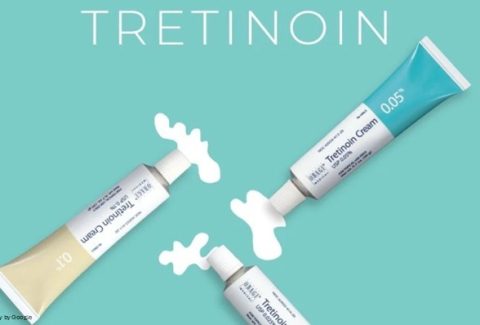
Tretinoin, sold under brand names such as Retin-A and available in generic gels like A-Ret, is a first-generation retinoid and one of the most established topical treatments in dermatology. It’s a direct retinoid derivative and has been used for decades to treat acne, fade hyperpigmentation, and reduce the appearance of fine lines and wrinkles. Tretinoin works by binding to retinoic acid receptors in skin cells, accelerating cell turnover and stimulating collagen production. It’s typically available in multiple strengths, commonly 0.025%, 0.05%, and 0.1%, allowing for a gradual step-up approach as skin builds tolerance.
Tazarotene vs Tretinoin: The core difference
The tazarotene vs tretinoin comparison lies in their generation and receptor selectivity. Tretinoin is a first-generation retinoid with broad receptor binding, while tazarotene is a third-generation retinoid designed to target retinoid receptors more precisely. This more targeted mechanism is part of why tazarotene is often considered the more potent of the two, with some research suggesting its active metabolite can be significantly stronger than tretinoin at comparable concentrations.
In practical terms, this means tazarotene often produces visible changes somewhat faster. At the same time, tretinoin tends to work more gradually but with a longer track record of gentle, well-tolerated use, especially at lower starting strengths.

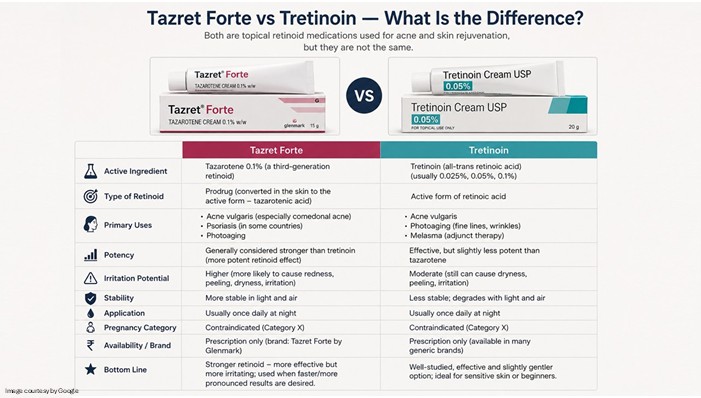
Tazret Forte vs Tretinoin: Comparison
| Feature | Tazret Forte (Tazarotene 0.1%) | Tretinoin |
| Retinoid generation | Third-generation | First-generation |
| Available strengths | 0.05%, 0.1% | 0.025%, 0.05%, 0.1% |
| Relative potency | Higher | Moderate |
| Approved uses | Acne, plaque psoriasis, photoaging | Acne, photoaging, hyperpigmentation |
| Typical results timeline (acne) | 2–4 weeks initial, 8–12 weeks full | 6–12 weeks |
| Typical results timeline (anti-aging) | 4–8 weeks | 8–12 weeks or longer |
| Irritation level | Higher, especially at first | Moderate, dose-dependent |
| Best for beginners | Not usually a starting point | Yes, especially at 0.025% |
| Common brand names | Tazorac (branded), Tazret Forte (generic) | Retin-A (branded), A-Ret (generic) |
| Manufacturer | Glenmark | Various, including Akums |
Which works faster for acne?
When it comes to acne, both medications are effective, and clinical evidence suggests they perform similarly overall. That said, in the tazarotene vs tretinoin comparison specifically for speed, tazarotene often shows initial improvement a little sooner, sometimes within two to four weeks, compared to tretinoin’s more typical six-to-twelve-week timeline for meaningful change. This faster action is one reason dermatologists sometimes reach for Tazret Forte when a patient has more stubborn or resistant acne that hasn’t responded well to gentler retinoids.
However, faster isn’t always more comfortable. Tazarotene’s increased potency can lead to more noticeable irritation in the early weeks, so the trade-off between speed and tolerability is worth discussing with your dermatologist.
Which is better for anti-aging?
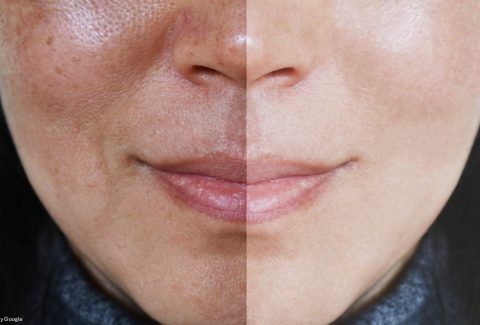
For photoaging, fine lines, and mottled pigmentation, research has shown tazarotene can outperform tretinoin in some measures, particularly for coarse wrinkling and pigmentation, and often within a somewhat shorter timeframe. Tretinoin remains an extremely well-studied option for anti-aging with a long history of proven results, just typically over a slightly longer treatment period.
For many people, especially those newer to retinoids or with more sensitive skin, tretinoin’s gentler, more gradual profile makes it easier to stay consistent with, which matters enormously for anti-aging results that depend on months of continued use.
Associated side effects
Both medications share a similar side-effect profile: dryness, redness, peeling, stinging, and increased sun sensitivity are common with either, especially during the first several weeks of use. Where they differ is in intensity. Tazarotene tends to cause more pronounced irritation, redness, and peeling than tretinoin, particularly at 0.1%, and people with deeper skin tones may notice these effects more prominently.
Tretinoin’s irritation is generally milder and more predictable, especially when starting at a lower concentration, such as 0.025%, and gradually increasing frequency. This is part of why tretinoin is often recommended as the more approachable entry point into retinoid therapy, while tazarotene is reserved for cases needing a stronger approach.
Both medications increase photosensitivity, so daily broad-spectrum sunscreen isn’t optional with either one, and both should be avoided during pregnancy or while breastfeeding, since retinoids carry potential risks to a developing baby.
Who should choose Tazret Forte, and who should choose Tretinoin?
If you are new to retinoids, have sensitive or reactive skin, or want a gentler entry point that can still be stepped up over time, tretinoin, particularly at 0.025%, is usually the more sensible starting choice. It’s also a strong option if your main concern is broader anti-aging maintenance rather than treatment-resistant acne or psoriasis.
Tazret Forte tends to make more sense if you have moderate-to-severe acne that hasn’t responded to other treatments, if you’re dealing with plaque psoriasis, or if your dermatologist wants a more potent option to accelerate results within a defined treatment plan. Because of its strength, it’s generally not the first retinoid most people try; rather, it’s a step up when milder options haven’t been enough.
In either case, the decision between tazarotene and tretinoin should be made alongside a dermatologist who can assess your skin type, tolerance, and treatment goals directly.
Cost and availability
Price is often a matter of decision between tazarotene and tretinoin. Tazarotene formulations like Tazret Forte tend to sit at a slightly higher price point than tretinoin gels, partly because it is a newer retinoid and partly because of differences in manufacturing. Tretinoin, being a long-established retinoid, is widely manufactured and available in multiple strengths, which generally keeps it more affordable and accessible, especially for people just starting retinoid therapy. Both are prescription medications in most countries, so a valid prescription and dermatologist guidance are needed before starting either one.
You can find both options, including Tazret Forte 0.1% and Tretinoin, at AllDayChemist (ADC) with authentic, manufacturer-sourced formulations and worldwide shipping. Access the affordable prices, round-the-clock customer support, and wide range of acne products for your skin.
How to use either retinoid safely?
Regardless of which one you are prescribed, a few core principles apply. Cleanse your skin and let it dry completely, usually 20 to 30 minutes, before applying either medication, since damp skin increases absorption and irritation. Use only a pea-sized amount for the entire face, and apply it at night, since both tazarotene and tretinoin break down in sunlight and increase photosensitivity.
Start with a lower frequency, often two to three nights a week, and build up gradually as your skin adjusts, rather than jumping straight into nightly use. Follow every application with a gentle, fragrance-free moisturizer to offset dryness, and never skip morning sunscreen, since unprotected sun exposure can undo your progress and worsen irritation. Avoid layering other strong actives, such as exfoliating acids or benzoyl peroxide, on the same night unless your dermatologist specifically recommends it.
Final thoughts
Both Tazret Forte and tretinoin are legitimate, effective retinoids, just positioned differently on the potency spectrum. Tretinoin remains the well-established, gentler starting point for most people beginning retinoid therapy, while Tazret Forte’s tazarotene formula offers a stronger, often faster-acting option for more resistant acne, psoriasis, or advanced photoaging. Neither is universally “better,” the right choice in the tazarotene vs tretinoin decision comes down to your skin’s history, your tolerance for irritation, and what your dermatologist recommends after evaluating your specific concern.
This article is for general educational purposes only and does not replace professional medical advice. Always consult a licensed dermatologist before starting Tazret Forte, tretinoin, or any prescription retinoid treatment.