
What Is Cystitis: Understand Causes, Symptoms and How to Prevent It
What Is Cystitis: Understand Causes, Symptoms and How to Prevent It
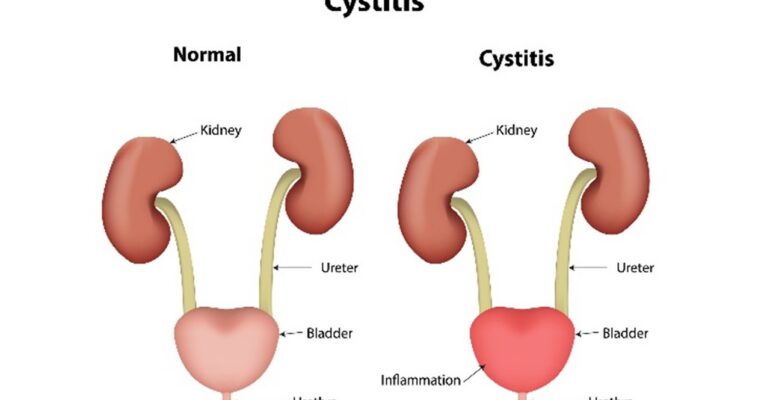
Cystitis is a medical term for inflammation of the bladder. While a urinary tract infection is the most frequent cause, it is not the only one. Fortunately, cystitis prevention is possible. Recognizing early symptoms and knowing when to seek medical help can help you make informed decisions to maintain long-term urinary health.
Introduction: An overview of cystitis
Inflammation of the bladder, medically termed cystitis, occurs when the bladder becomes swollen and hot. The condition can also be painful. In most cases, cystitis occurs in the presence of a bacterial urinary tract infection (UTI). Bacteria present in the area between the genitals and rectum reach the bladder while travelling through the urethra. It is more commonly reported in women but can also affect men and children.
UTIs are categorized into two types: lower and upper. Cystitis makes the bladder and urethra sensitive and painful, particularly while urinating. The infection can progress to a serious health problem if it spreads to your kidneys. Cystitis may also result from the use of certain drugs and radiation treatment. Other cystitis causes include the use of hygiene products, spermicide jelly, or long-term catheter use. Such things can irritate the bladder, ultimately leading to cystitis.
In some cases, cystitis may also be a complication of another illness. Cystitis treatment includes antibiotic therapy, especially for bacterial cystitis. At the same time, treatment for other types depends on the cause of cystitis. An upper urinary tract infection affects the kidneys and ureters, while a lower urinary tract infection affects the urethra and bladder.
Data suggests that about 50% to 60% women will develop cystitis at some point in their lives. And these bacterial infections may recur between 30% and over 40% of women who develop a bladder infection will have another one later in their lives. Men are less likely to be affected by the condition because their urethras are longer, making it harder for bacteria to reach the bladder. In contrast, the urethra is much shorter in women. Many women hesitate to share their cystitis symptoms. But because bladder infections are so common, every year in the US, UTIs affect more than 10 million people requiring medical attention. So, if you are suffering from this condition, you are not alone. Healthcare specialists provide treatment, and there is no need to feel embarrassed about the condition.
Recognizing the symptoms
Here are the symptoms that could indicate cystitis.
• Peeing more than usual
• A strong, persistent urge to urinate while only being able to release small amounts
• Pain or burning sensation while urinating. A burning or itch may occur when you start or finish peeing.
• Hematuria (blood in the urine)
• Passing visibly cloudy or strong-smelling urine (most of the time, a fishy smell)
If the infection spreads to the kidneys, the condition is called pyelonephritis. The symptoms you may get are fever, chills, nausea, vomiting, and flank pain (discomfort in the area on either side of your lower back, between yoru ribs and pelvis. Fever and back pain are uncommon in people with a bladder infection and may indicate the need for immediate medical assessment for a possible kidney infection.
Common Causes
As mentioned above, most bladder infections are caused by bacteria. E. coli is believed to enter your urethra, reach the bladder, where it multiplies. Other factors that increase the risk of cystitis include urinary tract issues at the time of birth (congenital urinary abnormalities), menopause, pregnancy, constipation, diabetes, multiple sclerosis, using a Foley catheter, vaginal diaphragm, spermicides, and having sexual intercourse with multiple partners. It may also likely affect the one who got it previously.
The bladder infection is not contagious; one can’t get the infection from their partner through sexual contact. But sexual contact can sometimes allow the bacteria to remain in your urinary tract, leading to an infection. For risk reduction, specifically after intercourse, use the following methods:
• Try a water-based or silicone-based lubricant
• Urinate after intercourse
• Rinse your hands before and after using the bathroom and having intercourse.

Diagnosing cystitis
It is imperative to discuss with your healthcare provider if an individual has cystitis symptoms. A doctor usually asks for a urine sample to assess bladder inflammation. They usually conduct two tests, including a urinalysis to check how urine appears and what it contains. The other one may be a urine culture test, which identifies the root-cause bacteria for the condition. Generally, health care providers can diagnose the condition with a urine test. But sometimes your results may still appear normal even when you are developing the condition. In such cases, talking to the healthcare specialist is essential, as they may perform additional tests or refer you to a urologist for a closer look.
Treatment and management approaches
Using antibiotics can help one get rid of cystitis quickly. The healthcare specialist will choose the best cystitis treatment based on the type of bacteria causing the patient’s infection. A patient with a bladder infection may require antibiotic treatment for 3 to 14 days, depending on the severity of the bacterial infection. Patients are instructed to inform their healthcare professional, even if they begin to feel better during the initial days. Sudden discontinuation could cause the infection to recur, making it harder to treat.
Commonly prescribed antibiotics for the treatment of cystitis include sulfonamides (sulfa drugs), nitrofurantoin (Macrobid, Macrodantin, urotoin), cephalosporins, Amoxicillin (Amoxil, sumox), ciprofloxacin (Ciplox), and Trimethoprim/sulfamethoxazole (Bactrim, Septra). In general, the condition heals within a few days to a week after you begin treatment. AllDayChemist offers authentic antibiotics to your doorstep at affordable prices. The simple order process, payment protection, round-the-clock customer support, and affordable pricing make AllDayChemist the preferred choice for millions of buyers to rely on for their medicine needs. Consult your doctor to know the right medication for you.
Possible prevention tips
How to prevent cystitis? While cystitis prevention is not always possible, several practices can significantly reduce the risk.
1. Stay hydrated – Drinking water is one of the simplest ways to prevent the infection. Drinking an adequate amount of water helps flush out toxins and germs from your body.
2. Avoid delaying urination – Whenever you feel the urge to urinate, go without holding the urge. Holding urine for long periods allows bacteria to grow conveniently.
3. Good personal hygiene practices – Ensure you wipe from front to back after using the toilet. This helps prevent bacteria from spreading to the urinary tract.
4. Uses of gentle products – Choosing gentle, fragrance-free hygiene products may reduce irritation for sensitive individuals. A lot of healthcare specialists also recommend urinating after sexual activity, as this may help remove bacteria that enter the urethra during intercourse.
Seek medical help!
Although mild symptoms may seem manageable, medical attention should not be delayed if symptoms persist or worsen. Seek professional advice if you experience fever, chills, severe pain, blood in the urine, back pain, or repeated episodes of cystitis. Prompt treatment can prevent the spread of infection to the kidneys, which can ultimately be fatal.
Verdict!
Urination habits are something most people hesitate to talk about. But uncomfortable symptoms, such as numbness or other unusual changes, can signal it’s time to see a health care provider. Recognizing symptoms early and practising healthy urinary habits can greatly reduce the risk of developing bladder inflammation. Moreover, timely cystitis diagnosis and appropriate treatment remain key to maintaining a healthy urinary system and protecting overall well-being.