Several research studies investigate the connection between music therapy and Alzheimer’s disease; studies support the use of music therapy to help reduce symptoms of the disease. The objective of this information guide is to examine the impact of familiar music on patients with Alzheimer’s disease.
About Alzheimer’s & its treatment
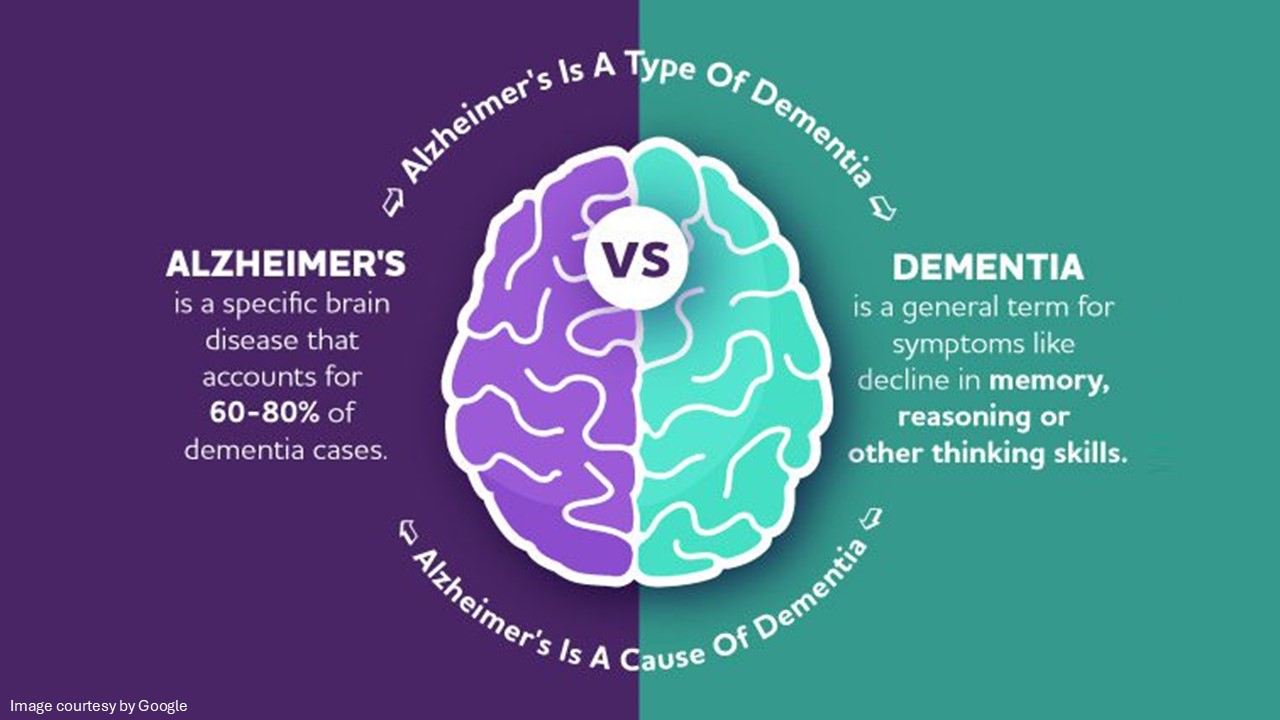
Alzheimer’s disease, or AD, is a progressive decline in cognitive function that typically appears first as impaired episodic memory. There is still no cure for this condition. Primary treatment involves the intake of several medicines for the reduction of symptoms or slowing down the progression of the disease. For some patients, alternative treatments like aromatherapy and acupuncture have been found to be beneficial.
Music therapy and Alzheimer’s: Some research suggests that music may have a positive impact on the health of Alzheimer’s patients. It may also be helpful in delaying the onset of Alzheimer’s in individuals who are at high risk of developing this disease.
Music and memory in Alzheimer’s
Music is present everywhere at the same time across world cultures and has been considered an integral part of human nature. Music can be used as a memory or learning aid to send/convey stories and information across time using songs. Numerous events in an individual’s life are accompanied by music. These are the cases where the brain can preserve emotions and memory during an event with music. Later, recapturing of these feelings and memories can be triggered by the music related to them. This can be extremely beneficial for people with a loss of episodic memory, which is also known as autobiographical memory. In the case of Alzheimer’s disease, music therapy can be used as an effective way to recall episodic memories and obtain emotions, allowing patients to connect with themselves and their loved ones. Alzheimer’s patients, while peacefully listening to music, can recall highly emotional events from their lives in greater detail, even if the music is not associated with a particular episode of life.
The studies show the benefits of music in Alzheimer’s patients on episodic memory recall, performance of cognitive and behavioural functions, strengthening of self-consciousness, and improvements in depressive symptoms.

Recalling emotions via music in AD
Episodic memory includes the long-term memory for life experiences. It is associated with memories about spatial and temporal contexts.
Alzheimer’s and emotions: Emotion is another component of episodic memory. Highly emotional events in life can be preserved in memory, and such memory can be addressed as emotional memory. According to some research studies, emotional memory is also present in patients with Alzheimer’s disease. However, there has been no evidence that shows how long memory retention for emotional events can continue in Alzheimer’s patients. Emotional memories are much easier to recall than memories that do not involve an emotional component.
Although Alzheimer’s patients have trouble recalling the most important episodic contents, they have an unimpaired ability to recognize familiar music, and even when they have already reached the advanced stage of the disease, several patients can remember melodies and sing along with music. Additionally, episodic memories triggered by music are believed to be preserved in AD. A musical cue can evoke music-evoked episodic memories and replay spontaneous information in the mind about one’s past. These memories can be extremely strong, highly intense, and involuntarily remembered, and they can give rise to an immediate emotional reaction. For example, brief musical clips of popular melodies help in powerful recalling cues for episodic memories, which include both recent and remote memories.
Researchers investigated whether music evokes episodic memories in healthy individuals and AD patients, comparing a music condition to a silent condition. They identified that memories triggered during the music condition were recovered faster, were more specific, emotionally loaded, and had a great impact on participants’ moods and behaviour. The selected music has also been connected to an increased frequency of the use of emotional words during recall. Researchers used familiar musical cues to trigger the music-evoked episodic memories in healthy, young, older people and patients with mild to moderate Alzheimer’s. It was found that familiar instrumental music produces episodic memories in all participants, including those with the neurodegenerative condition. The elderly group of patients also showed positive feelings toward memories compared to younger participants, which also signalled a positive effect on memory recall. These reports from research show how music-evoked episodic memories can enhance knowledge and be utilized as one of the resources to improve communication functioning in the Alzheimer’s population and to show the way music can help with cognitive stimulation.
Moreover, it has been demonstrated that even exposure to unfamiliar melodies can increase episodic memory recall in Alzheimer’s patients. These findings are crucial because by improving the recall of episodic memories, music may be beneficial in restoring a sense of identity in patients who have dementia.
Preservation of memory with music therapy in AD
Musical memory is thought to be partly independent of any other memory system. According to research studies, patients with Alzheimer’s have partial preservation of musical memory even when undergoing rapid memory loss. Nowadays, individualized music programs are increasingly incorporated into the treatment regimen of dementia patients. The use of individualized and favourite music results in reduced depression, agitation, and anxiety. However, the mechanism of action involved in these benefits is not completely understood.
The accessibility and versatility of music make it ideal to incorporate into the treatment regimen of AD patients. Musical therapy is typically introduced by an expert who is well-trained as a music therapist and appropriately handles such conditions. Musical therapy often involves actively singing, playing an instrument, clapping, and dancing. Findings suggest that musical therapy can help with speech and language training in the patient population and is able to effectively gain control over psychiatric and behavioural symptoms associated with AD. Music can also help in some cases of people with emotional trauma and memory loss.
Conclusion
The research concluded that music therapy and Alzheimer’s share a relationship; music interventions can positively affect the overall quality of life of some patients with AD. Individualized programs led by music therapists are usually more effective. Music therapy, along with other interventions, can also be successful with a preplanned treatment and expert support.