
Myths and facts about fungal infections
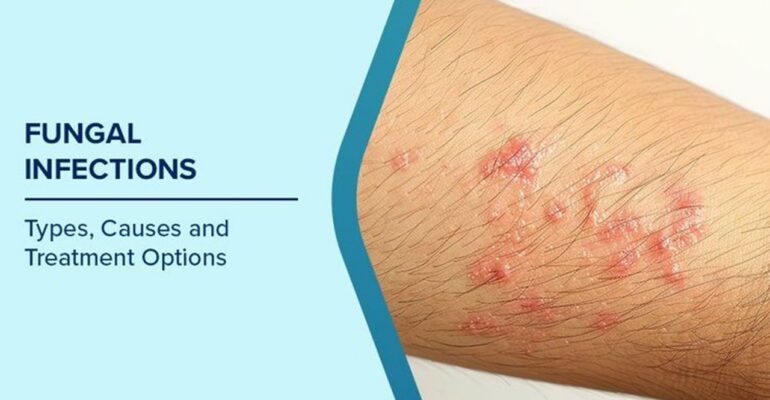
Common fungal infection symptoms are persistent itchiness, red or flaky skin, and cracked or peeling skin. Many people are affected by common fungal infections of the feet and nails, but the available information is often incomplete. Uncertainties and incomplete knowledge give rise to widespread information. This article aims to clarify the situation regarding fungal infections and separate common myths from facts.
Fungal infections are common, affecting many people worldwide. Fungal foot and nail infections are not only unpleasant but can also be stubborn if not treated properly. Fungal infection symptoms include redness, itchiness, a skin rash, peeling between the toes, discoloured nails, and white patches in the mouth. Unfortunately, there are many misconceptions about them, which may often lead to delayed or improper treatment. In this article, you will explore common myths about common fungal infections and reveal the facts to help you understand how to prevent and effectively treat them. You will also learn practical tips for preventing and treating fungal infections of the feet and nails.
Common myths about fungal infections
How long do fungal infections last? Generally, fungal infections last about 1 to 3 weeks in mild cases and can be eliminated with appropriate treatment.
Myth1. Only individuals with poor hygiene get fungal infections
Fact: Anyone, even people with excellent hygiene, can get a fungal infection. Fungi usually survive in warm, moist environments, such as those in shoes or swimming pools, and can affect anyone regardless of cleanliness.
Myth2. Fungal infections of the nails and feet are not contagious.
Fact: Many fungal infections are contagious.
Are fungal infection contagious? They can be transmitted through direct contact or via surfaces such as floors in public areas, like showers or changing rooms. The same condition naturally applies at home as well. The risk of infection is probably high in such areas because people usually walk barefoot there. athlete’s foot and ringworm infection can spread through contact with infected skin and contaminated surfaces. Ringworm is so contagious that you don’t even have to touch someone to contract the infection. The fungus can even linger on hats, brushes, or combs. Even if you share an infected comb, you can develop ringworm over yoru scalp.
Myth3. Only athletes can get athlete’s foot
Fact: No, athlete’s foot can affect anyone
Despite its name, an athlete’s foot is not confined to athletes. You don’t need to be an athlete to get this foot infection. The foot infection got its name because the fungus that causes it likes to be in places like showers and locker rooms. Yet anyone who is exposed to that fungus can contract the infection.
Myth 4. Fungal infections resolve on their own
Fact: Fungal infection treatment is required
Most fungal infections won’t resolve without appropriate treatment. If not treated timely, they can persist or worsen, so it is extremely important to seek timely care.

Myth 5. Foot fungus and nail fungus always appear together
Fact: No, they do not come together.
Foot infection (tinea pedis) and nail fungus (onychomycosis) are two distinct infections that can occur independently. A foot fungus typically affects the toes and soles and can cause symptoms such as redness, itching, and scaling. On the other hand, nail fungus affects the nails, causing discolouration, brittleness, and thickening. An individual can develop foot fungus or only nail fungus. Both infections often develop at the same time. However, a fungal nail infection may result from an untreated or recently treated athlete’s foot infection. The fungus then spreads from the foot to the neighbouring nails. Appropriate fungal treatment for the recommended duration is extremely important for reducing the risk of fungal infections.
Myth 6. Fungus only develops in summer
Fact: Fungal foot infections can develop at any time of the year. But in summer, there is an increased risk of infections for various reasons. These include frequent barefoot walking in public areas and increased sweating. Whereas, in winter, wearing shoes with wool socks increases the risk of infection, as fungi require a warm, damp environment to survive.
Myth 7: A humid environment contributes to fungal growth
Fact: Yes, Fungi need a warm and humid environment to survive.
Poor ventilation in shoes and sweaty socks creates ideal conditions for fungi, increasing the risk of infection. Therefore, it is important to keep your feet dry and wear breathable shoes to reduce the risk of infection.
Myth 8: Over-the-counter formulations always work
Fact: Not for everyone
Over-the-counter antifungal agents can help. But some infections require prescription-strength antifungal medications. If over-the-counter treatments don’t work, please consult your healthcare specialist.
Myth 9. Only older adults get nail fungus
Fact: Although older adults have an increased risk of fungal infection, nail infection caused by fungi can affect people of any age. However, factors such as a weakened immune system, diabetes, or wearing tight, closed-toe shoes can increase the risk.
Prevention tips for fungal infections
-
- Follow good skin care: Dry your feet thoroughly, especially between the toes. This is extremely helpful in preventing the skin from softening and the skin barrier from losing its protective function.
- Switch to breathable shoes: Always select shoes and clothing that allow yoru skin to breathe. Ideally, let your shoes dry for a while before putting them on again. Change your socs every day.
- Avoid walking barefoot in public places; at least wear slippers when entering public showers, locker rooms, and around pools to prevent contact with fungal spores.
- Avoid sharing personal items, such as nail clippers, socks, shoes, and towels, as they can spread fungal infections. It is always best to keep such items personal.
Fungal infection causes extreme discomfort. If you think you may have a fungal infection or have questions about prevention and treatment, consult a healthcare specialist.