Melalite Forte vs Melamet — Which Melasma Cream Works Faster?

Melasma can be one of the most stubborn skin concerns to treat. Those brown or grey-brown patches on the cheeks, forehead, and upper lip tend to fade slowly and can return with sun exposure or hormonal changes, which is why choosing the right cream matters so much. The market offers various formulations to treat melasma, but very few work. Identifying the right product for your skin is important to achieve the desired results. Two of the most searched options for pigmentation are Melalite Forte and Melamet cream. Both are trusted, dermatologist-prescribed formulations, but they work in very different ways.
This guide breaks down what each cream actually contains, how they compare, and which one is likely to show results faster for your skin.
What causes melasma?
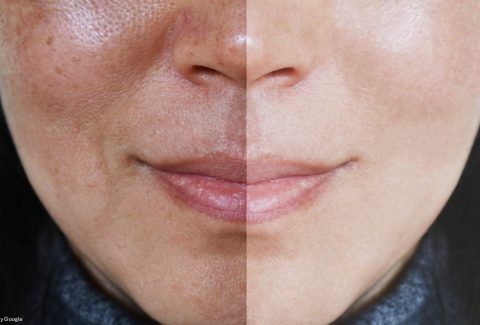
Melasma develops when melanocytes, the pigment-producing cells in your skin, become overactive and release excess melanin in patches, usually across the forehead, cheeks, nose, and upper lip. Hormonal changes are one of the biggest triggers, which is why melasma is so common during pregnancy, while on birth control, or during hormone therapy. Sun exposure is another major driver, since UV light directly stimulates melanocytes and can worsen existing patches almost immediately. Genetics, certain medications, and heat exposure can also play a role, which explains why melasma can be so persistent and why sunscreen is non-negotiable no matter which treatment you choose.
What is Melalite Forte?
Melalite Forte 4% is a single-ingredient cream formulated with hydroquinone, widely regarded as the gold standard skin-lightening agent for melasma, dark spots, freckles, age spots, and post-acne marks. Mepromax Lifesciences manufactures it and is a generic equivalent of Alustra.
Hydroquinone works by blocking an enzyme called tyrosinase, which your skin cells need to produce melanin, the pigment responsible for dark patches. By slowing melanin production in overactive pigment cells, Melalite Forte gradually fades existing discoloration without destroying the skin cells themselves. It’s typically applied twice daily to the pigmented areas only. Because it works through a single, well-studied mechanism, Melalite Forte tends to be gentler over the long term and is often the preferred option for people who need ongoing maintenance treatment or have more sensitive skin.
What is Melamet cream?
Melamet cream takes a different approach. Instead of one active ingredient, it combines three: hydroquinone 2%, tretinoin 0.025%, and mometasone furoate 0.1%. Cadila Healthcare manufactures it and is a generic version of Skin Lite, in the same triple-combination category as the well-known Tri-Luma cream.
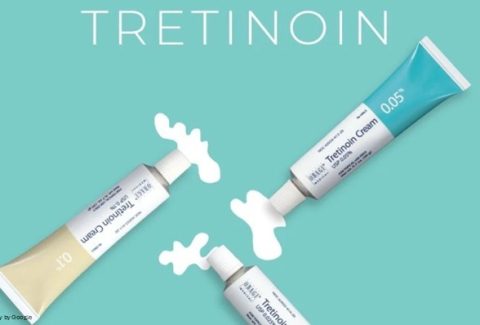
Each ingredient plays a distinct role. Hydroquinone reduces melanin production the same way it does in Melalite Forte, just at a slightly lower concentration. Tretinoin, a vitamin A derivative, speeds up skin cell turnover, helping push pigmented cells to the surface faster while also improving how well the other ingredients absorb into the skin. Mometasone furoate, a mild corticosteroid, calms inflammation, redness, and irritation, which helps offset some of the dryness and sensitivity that tretinoin and hydroquinone can cause together.
This three-in-one design makes Melamet a fast-acting option, as all three ingredients target melasma from different angles simultaneously. It’s generally applied once nightly, usually about 30 minutes before bed.
How do the two creams work differently?
The biggest difference between these two products lies in their mechanisms and formulation complexity. Melalite Forte relies solely on hydroquinone’s ability to slow pigment production, which is effective but works at a steady, gradual pace. Melamet layers a retinoid and a corticosteroid on top of hydroquinone, creating a synergistic effect: the tretinoin accelerates cell turnover. It improves hydroquinone penetration, while the steroid keeps inflammation and irritation in check, so the other two ingredients can keep working. This is very similar to how triple-combination creams like Tri-Luma are formulated, and it’s precisely why doctors often reach for combination therapy when melasma is stubborn or hasn’t responded well to hydroquinone alone.

Melalite Forte vs Melamet: Quick comparison
| Feature | Melalite Forte | Melamet |
| Active ingredients | Hydroquinone 4% | Hydroquinone 2% + Tretinoin 0.025% + Mometasone Furoate 0.1% |
| Type of formula | Single-agent | Triple-combination |
| Application frequency | Twice daily | Once nightly |
| Visible results | 4–6 weeks | Often noticeably faster, within 3–4 weeks |
| Best suited for | Long-term or maintenance use, sensitive skin | Short-term, resistant or stubborn melasma |
| Irritation risk | Lower, steady adjustment | Higher initially due to tretinoin and higher combined activity |
| Steroid included | No | Yes (mometasone furoate) |
| Recommended duration | 3–6 month treatment cycles | Short courses, as directed by dermatologist |
| Manufacturer | Mepromax Lifesciences | Cadila Healthcare |
| Generic equivalent of | Alustra | Skin Lite (Tri-Luma category) |
Which cream works faster?
If speed is your main priority, Melamet cream generally has the edge. Because it combines three active ingredients working through different pathways at once, many users notice visible lightening sooner, often within three to four weeks, compared to the more gradual four-to-six-week timeline typical of hydroquinone alone. The tretinoin component, in particular, helps accelerate results by increasing cell turnover and improving the penetration of hydroquinone into the skin.
That said, faster isn’t automatically better for everyone. Melamet’s inclusion of a corticosteroid means it’s designed for short, defined treatment cycles rather than continuous long-term use, since prolonged steroid application can lead to skin thinning, visible blood vessels, or rebound pigmentation once stopped. Melalite Forte, while slower to show results, is generally considered more sustainable for extended or repeated treatment courses because it doesn’t carry the same steroid-related risks.
In short: Melamet often wins the speed race, but Melalite Forte tends to be the safer long-game option.
Associated side effects
Both creams can cause some redness, mild burning, stinging, dryness, or peeling, especially in the first few weeks. With Melalite Forte, side effects are usually limited to local skin reactions at the site of application, and prolonged, excessive use has rarely been linked to ochronosis, a paradoxical blue-black darkening of the skin.
With Melamet, the tretinoin component often triggers an initial “purge” phase in which acne or irritation can temporarily worsen for 2 to 4 weeks before improving. The mometasone component helps offset some of this, but it also means the cream isn’t meant to be used indefinitely, since steroid-related skin thinning becomes more likely the longer it’s used without a break.
Who should choose which cream?
Melalite Forte tends to make more sense if you have sensitive skin, want a simpler routine, are looking for a maintenance treatment after an initial melasma protocol, or prefer avoiding steroid-containing products altogether. It’s also a reasonable starting point for people newer to hydroquinone-based treatment.
Melamet is often the better choice if your melasma is stubborn, hasn’t responded well to hydroquinone alone, or if your dermatologist wants to achieve faster results within a defined treatment window. Because of the steroid component, it’s best used strictly as directed, typically in short cycles rather than as an everyday, indefinite treatment. Ultimately, the best option depends on your skin’s history, how it has responded to previous treatments, and your dermatologist’s assessment, so a proper consultation is always worth it before starting either product.
How to use?
For Melalite Forte, apply a thin layer to clean, dry, pigmented skin twice daily, avoiding the eyes, lips, and any broken or irritated skin. Always use a broad-spectrum SPF 30 or higher during the day, since sun exposure can reverse hydroquinone’s effects entirely.
For Melamet, apply a thin layer once nightly, about 30 minutes before bed, directly to the affected areas only. Since it’s applied at night and contains tretinoin, sunscreen the next morning is just as essential, as UV exposure can undo progress and increase sensitivity.
With both creams, patch-testing on a small area first is a smart precaution, and neither should be applied to broken, sunburned, or actively irritated skin.
Important safety notes
Neither Melalite Forte nor Melamet cream is recommended during pregnancy or breastfeeding, since the safety of both hydroquinone and tretinoin hasn’t been fully established for these groups.
Note: Both formulations are prescription-only and should be used strictly under a dermatologist’s guidance, particularly regarding treatment duration. Extended, unsupervised use of either product, especially Melamet’s steroid component, carries more risk than benefit, so sticking to a defined treatment cycle and checking in with your doctor periodically is the safest approach. To avoid drug interaction, it is important to inform your doctor about all the medicines (including supplements) and topical formulations you may be using for other existing health or skin conditions.
Final verdict
If your main goal is faster visible improvement and your dermatologist agrees that a short, supervised course makes sense, Melamet cream’s triple-combination formula is likely to deliver quicker results. If you’re looking for a steadier, longer-term approach with a simpler ingredient profile and lower steroid-related risk, Melalite Forte is the more sustainable choice.
Both are effective, clinically recognized treatments for melasma and hyperpigmentation. You can easily buy authentic melasma treatment cream from AllDayChemist, featuring manufacturer-sourced formulations at affordable prices. Whichever you choose, consistency, daily sunscreen, and dermatologist supervision remain the real keys to getting (and keeping) clearer, more even-toned skin.
This article is for general educational purposes only and does not replace professional medical advice. Always consult a licensed dermatologist before starting Melalite Forte, Melamet cream, or any prescription skin-lightening treatment.