Hydroquinone 2% vs 4% in USA: Which Strength Suits Your Skin
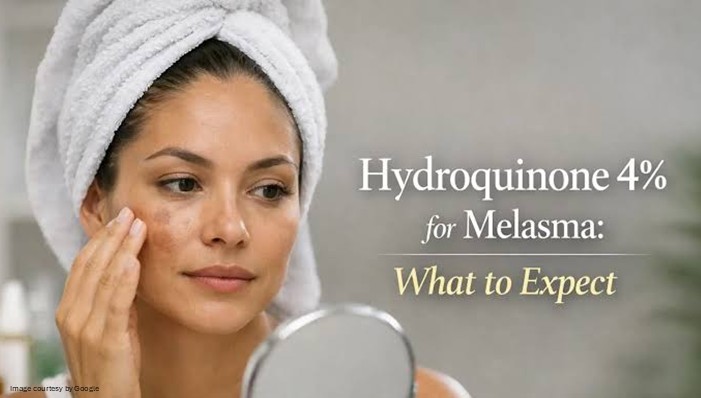
Dark spots, melasma, and stubborn patches of hyperpigmentation are some of the most common skin concerns in the US, and hydroquinone cream remains the ingredient dermatologists reach for first. But once you start looking into treatment options, you’ll run into a simple question: should you use a 2% formula or a 4% formula? The strength you choose can make the difference between slow, underwhelming results and visible, even-toned skin in a matter of weeks.
This guide breaks down exactly how the two concentrations differ, who each one is best suited for, and what to expect from treatment so you can have an informed conversation with your dermatologist.
What is hydroquinone and how does it work?
Hydroquinone is a topical skin-lightening agent that works by inhibiting tyrosinase, the enzyme responsible for producing melanin. Less melanin production means dark spots, melasma, freckles, and post-acne marks gradually fade, revealing a more even skin tone underneath. It’s considered one of the most effective depigmenting agents available, which is why it shows up in prescription formulas across the US.
It’s worth noting that the regulatory landscape around hydroquinone cream has shifted. Since 2020, the FDA has classified hydroquinone products (at any strength) as prescription-only, following changes introduced under the CARES Act. That means both 2% and 4% formulas now require a prescription in the US, even though 2% was previously sold over the counter. This shift makes it even more important to understand the differences between strengths before you start treatment.
Hydroquinone 2%: The gentler starting point
Hydroquinone 2% is generally considered the milder option. It’s often recommended for people with:
- Sensitive or reactive skin
- Mild, early-stage discoloration
- A history of irritation from stronger actives
- A preference for gradual, low-risk fading
Because it’s less concentrated, Hydroquinone 2% tends to cause fewer instances of redness, stinging, or peeling. However, it also works more slowly, and results are typically more modest. In clinical use, roughly 20-30% of patients see significant clearing of melasma with 2% formulas over 12 weeks.
This is why many 2% formulations are combined with other actives to boost effectiveness. A good example is Skin Lite, available through AllDayChemist.com, which pairs Hydroquinone 2% with tretinoin and a mild corticosteroid. This triple-combination approach speeds up cell turnover and calms inflammation while the hydroquinone works on pigment, making it a popular choice for people who want a gentler entry point into hydroquinone cream treatment without sacrificing too much efficacy.
Hydroquinone 4%: The clinical standard
Hydroquinone 4% is the concentration most dermatologists consider the gold standard for treating moderate to severe hyperpigmentation, including stubborn melasma, deep post-inflammatory marks, and age spots that haven’t responded to milder treatments. It’s also the strength the FDA has approved for prescription monotherapy. Because it delivers a more concentrated dose of the active ingredient, Hydroquinone 4% produces faster, more noticeable fading, with studies showing 60-70% of patients experiencing significant or complete clearing of melasma within 12 weeks. This makes it the go-to option for people who have already tried a 2% formula without success, or whose pigmentation is more pronounced.
One of the most trusted 4% options is Melalite Forte, a hydroquinone 4% cream formulated to target melasma, dark spots, freckles, and post-acne hyperpigmentation. Melalite 4% works by directly reducing melanin production in the skin, and many users find that a consistent routine with Melalite delivers visibly brighter, more even-toned skin faster than lower-strength alternatives. Because it’s a stronger formula, Melalite 4% is generally used under dermatologist guidance and for a limited treatment window, typically a few weeks to a few months, followed by a break to reduce the risk of side effects.

Hydroquinone 2% vs 4% comparison
| Factor | Hydroquinone 2% | Hydroquinone 4% |
| Strength | Mild | Clinical strength |
| Best for | Sensitive skin, mild spots | Moderate to severe melasma, deep pigmentation |
| Speed of results | Slower, gradual | Faster, more noticeable |
| Irritation risk | Lower | Higher, needs monitoring |
| Typical use | Combination formulas like Skin Lite | Standalone treatment like Melalite Forte |
| Prescription status | Prescription-only in the US | Prescription-only in the US |
Neither strength is universally “better.” The right choice depends on your skin type, the severity of your discoloration, how your skin has responded to actives in the past, and your dermatologist’s recommendation.
Which strength is best for your skin?
If you’re new to hydroquinone cream, have sensitive skin, or are dealing with light, early discoloration, starting with a 2% formula (such as Skin Lite) gives your skin time to adjust while still delivering gradual improvement. It’s also a reasonable option if you’re combining hydroquinone with other active ingredients like retinoids, since a lower concentration reduces the combined irritation load.
If you have moderate to severe melasma, deep-set dark spots, or you’ve already tried a 2% product without meaningful results, a 4% formula like Melalite 4% is likely to be more effective. Many dermatologists also prescribe 4% for shorter, more targeted treatment cycles, since the higher potency can often mean faster results, minimizing the total duration of use.
Skin tone matters too. People with darker skin types are more prone to post-inflammatory hyperpigmentation and rebound darkening, so treatment should always be introduced carefully and monitored closely, regardless of strength.
How to use hydroquinone cream safely?
Getting the most out of any hydroquinone cream, whether it’s a 2% or 4% formula, comes down to a few consistent habits:
- Patch test first. Apply a small amount to an inconspicuous area for 24-48 hours before treating your full face.
- Apply a thin layer only to affected areas, not your entire face, once or twice daily as directed.
- Use daily sunscreen. Hydroquinone makes skin more photosensitive, and UV exposure can actively work against your results by re-triggering pigment production.
- Stick to the recommended duration. Most dermatologists suggest treatment cycles of 8-12 weeks, followed by a break, especially with stronger formulas like melalite 4%.
- Be patient. Visible improvement typically takes several weeks of consistent use before you notice a difference.
Side effects and precautions with hydroquinone formulation
Both strengths can cause mild redness, dryness, or a stinging sensation, especially in the first couple of weeks. Higher concentrations, particularly 4% formulas, carry a slightly higher likelihood of irritation, so they’re best used under medical supervision. Prolonged, unsupervised use of hydroquinone at any strength has been linked to a rare condition called exogenous ochronosis, a bluish-black discoloration of the skin, which is why treatment breaks and dermatologist oversight matter.
Pregnant or breastfeeding individuals should consult a doctor before starting hydroquinone treatment, and anyone with known sensitivities to skin-lightening agents should proceed cautiously.
Where to buy hydroquinone cream in US?
Since hydroquinone products require a prescription in the US, it’s important to source them from a reliable pharmacy. AllDayChemist.com carries trusted formulations across both strengths, including Melalite Forte (Hydroquinone 4%) for more pronounced pigmentation concerns and Skin Lite (Hydroquinone 2% combination cream) for a gentler approach. Having both options available makes it easier to match your treatment to your dermatologist’s specific recommendation rather than settling for a one-size-fits-all product. Explore the wide range of products to treat skin problems with ease.

Final thoughts
Choosing between Hydroquinone 2% and 4% ultimately comes down to your skin’s sensitivity, the severity of your discoloration, and how quickly you want to see results. A hydroquinone cream at 2%, like Skin Lite, is a gentle, effective starting point for mild concerns, while Melalite 4% offers a stronger, faster-acting option for more stubborn melasma and dark spots. Whichever strength you choose, working with a dermatologist and pairing treatment with diligent sun protection will give you the best shot at clear, even-toned skin.
Frequently Asked Questions
- Is hydroquinone cream available over the counter in the US?
No. Since 2020, the FDA requires a prescription for hydroquinone products at any strength, including 2% and 4%. Previously, 2% formulas were sold over the counter, but current regulations classify all hydroquinone creams as prescription-only drugs.
- How long does it take to see results from Melalite 4%?
Most users notice visible fading within 4-8 weeks of consistent use, with fuller results by 12 weeks. Results vary based on skin type, pigmentation severity, and how closely sun protection guidelines are followed during treatment.
- Can I switch from Hydroquinone 2% to 4% if I don’t see results?
Yes, many dermatologists move patients from 2% to 4% formulas like Melalite Forte if progress stalls. This should always be done under medical guidance to monitor for irritation and ensure the stronger formula is appropriate for your skin.
- Does hydroquinone cream cause permanent skin lightening?
No. Hydroquinone temporarily reduces melanin production in treated areas; it doesn’t permanently bleach skin. Once treatment stops, pigmentation can gradually return, especially without consistent sun protection, so many people use it in cycles.
- Is hydroquinone 4% safe for long-term use?
Extended, unsupervised use isn’t recommended. Dermatologists typically prescribe Melalite 4% for 8-12 week cycles followed by breaks, since prolonged continuous use raises the risk of irritation and rare complications like exogenous ochronosis.
- Can Skin Lite and Melalite Forte be used together?
Generally, no, combining two hydroquinone products increases irritation risk without added benefit. Most dermatologists recommend choosing one formula, either the gentler Skin Lite or the stronger Melalite Forte, based on your skin’s specific needs.
- Do I need sunscreen while using hydroquinone cream?
Yes, daily sunscreen is essential. Hydroquinone increases skin’s sun sensitivity, and UV exposure can trigger renewed pigment production, undoing your progress. Apply broad-spectrum SPF 30+ every morning during and after treatment.
This article is for informational purposes only and does not substitute for professional medical advice. Consult a dermatologist before starting any hydroquinone treatment.