
5 Types of Psoriatic Arthritis You Need to Know
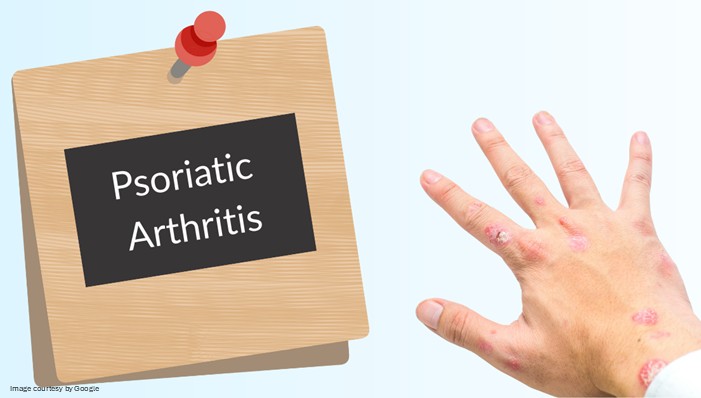
Psoriatic arthritis is a disease that affects both the skin and the joints. It mostly develops in people who already have psoriasis, a skin illness that causes red, scaly patches. In patients with psoriatic arthritis, the immune system mistakenly attacks healthy joints, ultimately causing them to swell, stiffen, and become painful. Knowing the types of psoriatic arthritis helps patients and their loved ones better manage their health. Read on to learn about psoriatic arthritis types, their causes, treatments, and more.
Different arthritis forms
There are different types of psoriatic arthritis. Some people have mild pain in a few joints, while others may develop swelling and stiffness in many parts of the body. The disease can come and go, sometimes improving and sometimes getting worse. Doctors divide psoriatic arthritis into five main types based on which joints are affected and the severity of symptoms.
-
Symmetric psoriatic arthritis
This is the most common type. It affects both sides of joints, for example, both knees or both wrists. The symptoms resemble those of rheumatoid arthritis, including pain, swelling, and morning stiffness. Because it can cause joint damage over time, timely treatment is very important. People dealing with this type may find it hard to move their hands or walk properly. The use of anti-inflammatory medications and regular exercise can help control pain.
-
Asymmetric psoriatic arthritis
In this type, only one side of the body is affected. You may feel pain in one knee, one ankle, or one wrist. The swelling may come and go, and sometimes the pain may extend to other joints as well. It is usually milder than the symmetric type, but ignoring symptoms can lead to joint damage. People with this type often notice that one hand or foot looks different from the other. Wearing comfortable shoes and doing gentle stretches and exercise can help reduce discomfort.
-
Distal interphalangeal predominant type
This type mainly affects the small joints near the tips of the fingers and toes. People may notice nail changes such as small pits, thickening, or separation from the nail bed. Because the joints are small, the pain may seem less at first, but it can worsen if not treated promptly. This type can make writing, typing, or holding objects difficult. Doctors often check the nails carefully because nail problems are an early sign of this type.
4. Spondylitis type
This type affects the spine and, sometimes, the neck. It can make the back stiff and painful, especially in the morning. Some people also feel pain in the hips or shoulders. Regular stretching and exercise help keep the spine flexible. Doctors may prescribe medicine to reduce inflammation and pain. If not treated, this type can make bending or turning the body difficult. Sitting for long hours can worsen the stiffness, so short walks and light movement are helpful.
5. Arthritis mutilans
This is the rarest and most severe form of psoriatic arthritis. It can contribute to joint damage and ultimately lead to shortening of fingers or toes. The pain is sharp, and movement becomes difficult. Early medical care is key to prevent damage. People with this type may need surgery or special therapy to protect their joints. Although it is rare, it shows how serious psoriatic arthritis can become if ignored.
Causes and symptoms
The exact cause of psoriatic arthritis is not known, but it is linked to immune system dysfunction. Psoriatic arthritis causes: Genes, infections, and stress can also contribute. Common types of psoriatic arthritis symptoms include joint pain, swelling, stiffness, fatigue, and skin rashes. Some people also have eye redness or nail problems. The symptoms can change from day to day, sometimes less impactful, sometimes more harmful. Cold weather, stress, or illness can make them worse.
Psoriatic arthritis can start slowly or suddenly. At first, you may feel tired or notice small patches of red skin; later, the joints may begin to hurt or swell. The pain worsens in the morning or after prolonged sitting. If you notice these psoriatic arthritis symptoms, it is better to make an appointment with a healthcare provider.

Treatment and relief
Psoriatic arthritis treatment usually depends on the severity of the condition. Doctors give medicines that reduce inflammation and pain. Physical therapy helps keep joints flexible. Warm baths, gentle exercise, and a healthy diet can also provide relief. People should avoid smoking and manage stress because these can make symptoms worse.
In case of mild symptoms, simple painkillers and anti-inflammatory drugs may be enough. For severe symptoms, Patients may be advised to take certain immune-modulating medications. These medicines help prevent joint damage and reduce swelling and pain. Regular check-ups are important to ensure the treatment is working. Care at home plays a crucial role. Using warm compresses on painful joints can relax muscles. Performing light yoga or stretching regularly helps keep the body flexible. Moreover, eating foods rich in omega-3 fatty acids, such as fish or nuts, helps reduce inflammation. Staying hydrated is a key to improving overall health. Be sure to drink enough water, and getting enough sleep also improves recovery.
Living with psoriatic arthritis
-
Living with psoriatic arthritis can be challenging, but with proper care, most people live normal lives. Wearing comfortable shoes, taking breaks during work, and doing light stretches daily can help. Family support and regular check ups are also important for the body.
-
People should learn to listen to their bodies. Even if a single joint is painful, take adequate rest. Make sure you do not lift heavy objects or participate in activities that strain the joints. Maintaining a positive attitude helps too. Stress can make symptoms worse, so relaxation techniques such as deep breathing or meditation can help relieve them.
-
It is also important to protect the skin. Once psoriatic arthritis is linked to psoriasis, applying gentle moisturisers and avoiding harsh soaps can help prevent irritation. Small amounts of sunlight can help, but excessive exposure should be avoided.
-
Think of psoriatic arthritis as an unusual condition within the body. The immune system, which should protect you, starts attacking your own joints. This causes pain and swelling. It is like a team of soldiers fighting the wrong enemy.
-
Getting aware of the condition makes you know the importance of early care. If you ever feel joint pain or notice skin rashes, tell your parents or a doctor. Healthy habits like eating well, exercising, and staying calm can prevent many problems. Psoriatic arthritis also reminds us that every part of the body is connected. When one part hurts, others can be affected too. So, taking care of your whole body, not just one area, is the best way to stay healthy.
Related psoriatic arthritis products
As mentioned above, psoriatic arthritis treatment varies as per the severity of joint inflammation, affected areas, skin involvement, and overall health. Aprezo 30 mg, offered by AllDayChemist, a reliable platform for buying authentic medicines, is used for psoriasis and psoriatic arthritis. Oncotrex 7.5 mg is a prescription anticancer medicine used for psoriasis and certain forms of arthritis. Sazo EN 500 mg is also used to treat inflammatory arthritis. Consulting a doctor is important to understand the right medicine and treatment option for you.
Conclusion
Psoriatic arthritis has five main types, each type affecting different parts of the body, but all cause pain and stiffness. Awareness of the early symptoms and seeking medical help after a psoriatic arthritis diagnosis can prevent joint damage. With healthy habits, exercise, and timely treatment, people with psoriatic arthritis can live active, happy lives. This disease may sound complicated, but understanding it in simple words makes it easier to manage. Early care, regular check ups, and a positive attitude are the keys to staying strong. Remember, your body always gives signals; listen to them, take care of yourself, and never ignore pain.