
How Eye & Ear Drops Help Treat Infections and Irritation

A red eye is not necessarily infected. An aching ear does not automatically mean bacteria are involved. Drops commonly treat many eye infections and ear canal problems. But before choosing one, it is important to understand what may be causing the problem and what the medicine is designed to do.
Introduction
There is something particularly frustrating about having an irritated eye or a painful ear. Even a small amount of discomfort can make reading, working, sleeping, or concentrating harder than usual. That is why people commonly use different types of drops for eye and ear complaints. They offer a practical way to deliver medicine directly to the affected area. Knowing which type works best and how to use it safely is important for caring for your eye and ear health.
Starting with the cause
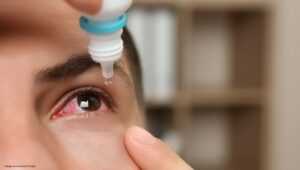
How do eye drops help eye infections? Eye drops can do different things depending on what’s in them. Some ingredients in ophthalmic solutions are common in over-the-counter (OTC) drops, while others are well established in prescription eye treatments. OTC drops usually help reduce eye discharge, increase lubrication, soften tissues around your eyes, treat inflammation, and balance fluid levels. Prescription eye drops contain ingredients that help eliminate bacteria, reduce allergic responses, dilate your pupil, lower eye pressure, and help your eyes repair themselves. Some eye drops contain antibacterial agents. When a bacterial infection is the culprit, the active pharmaceutical agent can act against susceptible bacteria on the eye’s surface. This can help to control the infection while the affected tissues recover.
This is why eye drops for bacterial eye infection are used only in specific circumstances. They are not general-purpose drops for every uncomfortable eye. For example, viral conjunctivitis can also cause redness and watering, but antibiotics do not treat viruses. Similarly, an allergy may leave the eyes itchy, watery, and red without any bacterial infection. So, the medicine must match the problem.
A red eye can have several explanations
Other than age, excessive screen use, air conditioning, smoke, certain medications, and certain health conditions may play a role. Moreover, symptoms of dry eye syndrome include rapid evaporation, inadequate tear production, and poor tear quality. In some cases, lid margins appear red, become itchy and develop a crust. Dust, shampoo, chlorine, and chemical fumes may also irritate the eyes. A well-defined bright red spot could indicate a subconjunctival haemorrhage from a small broken blood vessel. This condition is painless and may occur after a sneeze, cough, strain, or rub. All of these situations can lead someone to search for eye drops for red, irritated eyes, but the right treatment may differ in each case.
Lubricating drops may help when dryness is behind the eye discomfort. Other formulations target allergy-related symptoms. Antibiotic preparations have a specific role when a bacterial infection needs treatment. So, don’t choose eye drops for eye infection solely because the eye appears red. When an infection needs prescription therapy, a healthcare professional may recommend prescription eye drops for eye infection after considering the person’s symptoms and examining the eye.
Why reusing old eye medicine can be a bad idea?
The previous episode of an eye problem may have been caused by something completely different. An ophthalmic solution prescribed for a bacterial infection may not help an allergic reaction or a viral eye condition. Also, remember this simple hygiene rule: keep the tip of an eye-drop bottle clean. It should not touch the eye, eyelashes, fingers, or surrounding surfaces. Following proper storage and disposal instructions is equally important. If the eye is very painful, vision becomes affected, light is unusually uncomfortable, or an injury has occurred, medical assessment should take priority over trying several products at home.
Ear drops work locally too
Ear drops follow a similar principle, although they treat different conditions. So, how do ear drops help ear infections? When an infection is in the outer ear canal and can be treated locally, drops deliver medicine directly to the problem area. Depending on the formulation, the medicine may have antibacterial, antifungal, or anti-inflammatory properties. That is the basic purpose of suitable ear drops for ear infection. However, an earache by itself does not identify the cause. Wax buildup, irritation after cleaning the ear, fungal growth, trapped water, or an infection deeper inside the ear can all cause discomfort. That is why choosing ear medicine based only on pain may not give the expected result.
Prescription treatment depends on the ear problem
In some cases, a healthcare professional may recommend prescription ear drops for ear infection after an examination. The healthcare professional may consider where the infection is located and what type of organism or inflammation is suspected. Some products contain one active ingredient, while others combine an antimicrobial medicine with an anti-inflammatory component. The eardrum is another important consideration. If it is perforated or there is a possibility of damage, certain ear preparations may not be suitable. An examination can help determine whether drops are appropriate and which type to use. Using someone else’s prescription ear drops for ear infection, or returning to an old ear medicine without professional advice, can therefore be risky.
Getting the application right
Even the right medicine may not work if you apply it carelessly. Wash your hands before handling the bottle. Keep the applicator tip away from surfaces and never share your drops with another person. For eye medicine, place the recommended number of drops into the eye without letting the bottle tip touch the eye or lashes. Gently closing the eyelid afterwards can help keep the medicine where it needs to be. Apply ear medicines according to the instructions supplied with the particular product. Some preparations require you to keep your head tilted briefly after application. Adding extra drops simply because the symptoms are uncomfortable provides no benefit. More medicine does not necessarily mean quicker recovery and may sometimes increase irritation.
Be eye care medicines online
Explore eye care medicines and tear drops designed to support various eye and ear care requirements. Choose medication based on your symptoms and seek professional advice before using medicated drops. AllDayChemist (ADC), a reliable Indian pharmacy, offers eye drops such as Careprost, Careprost Plus, Dorzox T, and Azopt for various eye-care requirements.
The bottom line!
Eye and ear drops for infections are useful because they deliver specific medicines close to the affected area. Their value, however, usually depends on using the appropriate formulation for the right condition. The safest approach is to identify the likely cause, choose the appropriate medicine, and use it exactly as directed. If symptoms are unusual, severe, or persistent, an eye/ear examination can help determine whether drops are the right treatment.
FAQs
-
How do eye drops help treat eye infections?
Eye drops, or ophthalmic solutions, deliver targeted medications directly to the eye’s surface to destroy or control the specific underlying germ.
-
How do ear drops help treat ear infections?
Ear drops treat an ear infection by delivering medicine directly to infected tissue in the ear canal or middle ear, depending on the infection’s severity. Appropriate ear medication directly confronts bacteria, fungi, or inflammation.
-
What is the difference between antibiotic eye drops and regular eye drops?
Antibiotics are prescription solutions formulated to kill or destroy the bacteria responsible for bacterial infections. Regular eye drops, on the other hand, are over-the-counter (OTC) preparations you can use daily to soothe dryness, relieve minor allergies, and wash out dust.
-
What is the difference between antibiotic ear drops and regular ear drops?
Antibiotic ear solutions are specially formulated to target bacterial ear infections, whereas over-the-counter formulations treat non-infectious conditions, including excess earwax or mild dryness.
-
How long do eye drops take to work for an infection?
Antibiotics are meant to relieve bacterial infection symptoms within 1 to 2 days, with complete recovery taking about 5 to 7 days.
-
How long do ear drops take to work for an infection?
Ear drops may begin to reduce swelling and pain within 48 to 72 hours, though full recovery from a bacterial infection typically takes about one week to ten days. Seek immediate medical help for persistent pain, discharge, or worsening symptoms.
-
Are antibiotic eye and ear drops safe to use without a prescription?
No, you should not use antibiotic eye and ear drops without a prescription. Antibiotics require a doctor’s evaluation and a formal prescription.