Sleep disturbances and Alzheimer’s

Alzheimer’s patients not only juggle with a gradual loss of memory, thinking, and behavioral problems, but also unfriendly symptoms as the disease progresses. A new study suggests that a lack of sleep can leave the brain susceptible to Alzheimer’s disease. It has been shown that disturbances in sleep may actually set the stage for dementia.
Alzheimer’s disease and its symptoms
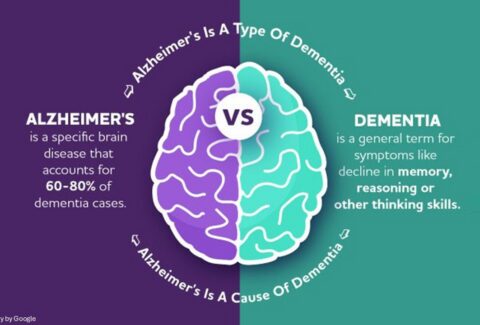
Alzheimer’s disease is a brain disease that develops when abnormal proteins collect in the brain. The symptoms of a disease include difficulty performing daily activities, memory loss, and changes in behaviour and emotions. These are all called dementia symptoms, and these are not irreversible, which means any loss of ability that developed the condition cannot come back. The disease is not curable; however, there are Alzheimer’s disease treatments and other lifestyle choices that may provide relief from Alzheimer’s symptoms and slow down the progression of the disease. Many studies are still ongoing to prevent or stop the disease and restore the many abilities lost during it.
Sleep problems and Alzheimer’s disease
Our brain clears out toxins associated with Alzheimer’s during sleep. It has been demonstrated that disrupting a deep phase of sleep appears to cause more of the proteins associated with Alzheimer’s disease to collect in the brain. The interruption could lead to higher levels of a protein called beta-amyloid, which forms plaque associated with Alzheimer’s disease. A prolonged period of sleep loss may lead to an unhealthy buildup of brain plaque, which kills neurons and wipes out memory. Longer stretches may also lead to higher levels of tau protein, which can damage brain cells. Even a single night of sleep can increase amyloid beta levels, which form clusters and impair cell communication. It has been clearly shown that disturbed sleep is linked with higher levels of two Alzheimer’ s-associated proteins.
According to previous research, poor or interrupted sleep raises the risk of cognitive problems. People who have sleep apnea, a condition in which an individual repeatedly stops breathing at night. These people are at high risk of developing mild cognitive issues earlier than people without the sleeping problems. The mild cognitive problem is considered an early warning sign of Alzheimer’s disease.
Treatment for Alzheimer’s disease
Alzheimer’s disease is a complex condition, and it is very difficult to treat successfully with any one drug or other intervention. Along with Alzheimer’s disease medications, current approaches focus on managing behavioural symptoms and maintaining mental health with the help of support and counselling.
Several drugs are approved by the FDA (Food and Drug Administration of the USA) for the treatment of Alzheimer’s disease. Medications like rivastigmine, galantamine, and donepezil are useful in treating mild to moderate conditions, whereas memantine is for moderate to severe Alzheimer’s conditions. The regular administration of these medications regulates the brain chemicals called neurotransmitters, which transmit messages between neurons. They help maintain communication skills, memory, and thinking ability, and address certain behavioural issues. However, this medication for Alzheimer’s disease care is not effective for all people; it may help a limited population of Alzheimer’s patients.
Also Read: 5 Myths about Alzheimer’s Disease Debunked
Tips to encourage quality sleep
There are some ways to promote healthy sleep patterns. Some of the effective tricks are as follows:
-
- Quit caffeine – Caffeine is found in beverages like tea, coffee, and soda, which may contribute to sleeplessness. It is considered a stimulant, which makes it hard for an individual to sleep at night.
- Involved in physical activity: People with Alzheimer’s disease should be engaged in daily activities. This action helps promote healthy sleep, which, in turn, improves brain function. A patient can indulge in an exercise program: go for a morning brisk walk and do age-appropriate yoga.
- Make a routine and stick to it –Alzheimer’s patients should try to go to bed at the same time each night to promote good sleep. Avoid indulging in activities such as playing games. Instead, play some soothing music or take a shower as part of a good nightly routine to signal bedtime.

Explore treatment choices and where to get them
While improving sleep habits is crucial to support brain health, individuals who have been diagnosed with Alzheimer’s disease may benefit from appropriate medical treatment prescribed by a licensed healthcare specialist. AllDayChemist offers a broad range of prescription Alzheimer’s medicines, including Donepezil, Rivastigmine, Memantine and Galantamine, which are extremely beneficial for managing symptoms such as confusion, memory loss and reduced cognitive function. You may get this class of medication as Admenta 5 mg, Admenta 10mg, Donep 10mg, Donep 5 mg, Rivamer 1.5 mg, Rivamer 3mg, Galamer 4 mg, Galamer 8 mg, and Donamen (5+10) mg. The platform offers a convenient way to access these medications to continue long-term treatment from the comfort of home. The medicinal treatment, when combined with healthy sleep practices, a nutritious diet, and regular physical activity, can play a crucial role in daily functioning and quality of life.
Also Read: What is Alzheimer’s disease? Causes and Precautions
Conclusion
Sleep is vital for brain health. Evidence suggests that persistent poor sleep may contribute to biological changes associated with Alzheimer’s disease, making good sleep an important part of long-term cognitive wellness. A combination of good sleep, a healthy routine, and medical care helps support brain function. In case of persistent sleep disturbances or memory issues, immediate medical evaluation can improve quality of life.