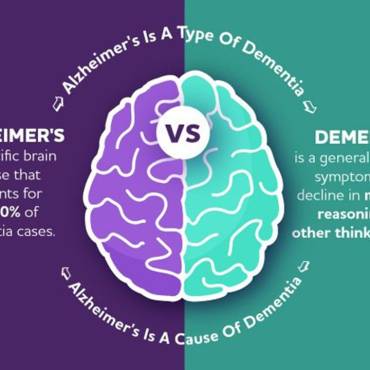

Dementia of Alzheimer’s type is considered the most debilitating neurodegenerative disorder. It is defined as a progressive condition because a gradual, yet continuous, deterioration in memory and thinking skills is observed in those affected. People with Alzheimer’s disease generally start to lose episodic memory, and they go on to experience a persistent decline in memory, during which simple daily tasks, such as drinking, eating, walking, and bathing, are entirely forgotten. This impairs the overall quality of life. Unfortunately, no permanent cure has yet been found to reverse the problem. Therefore, a lot of attention has now been given to preventive care and slowing down the progression of the disease.
Alzheimer’s affects many older adults, and this problem usually occurs when an individual crosses their 60s. Early onset of Alzheimer’s disease is rare and may appear in people in the age range of 30 to 60. Genes might be one of the major causes of Alzheimer’s, but taking care of other factors can delay the onset of this neurodegenerative disease and prevent the worsening of the condition. Read on to explore non-medical, natural treatments for Alzheimer’s disease. These natural remedies have no side effects other than improving the overall quality of life.
Home remedies for Alzheimer’s disease
The prescribed treatment for Alzheimer’s disease can be combined with home remedies to get the best results. Some natural remedies for Alzheimer’s disease include getting adequate nutrition, exercising, taking Ayurvedic herbs, and participating in social and mental activities, which help boost brain health.
Here are some lifestyle changes that might not entirely treat Alzheimer’s, but can delay its onset and slow down its progression. These preventive measures include:
- Nutrition matters – Scientists and researchers found that the Mediterranean diet appears to be effective in reducing dementia symptoms. This special diet is one of the significant lifestyle changes that seem to prevent the brain from forming toxic proteins between nerve cells and tangles of knotted tau threads in brain cells, which are considered key indicators of Alzheimer’s disease. A Mediterranean diet includes:
- Fresh fruits and vegetables, especially green leafy veggies like spinach and kale
- Nuts such as almonds and seeds like sesame seeds
- Olive oil for cooking food
- Lentils and chickpeas
- Herbs and spices like oregano, parsley, and rosemary
- Red meat once a week
- Whole grains
- Eggs, cheese, goat milk, and yoghurt
- Eating wild-caught fish and seafood twice a week
- Drinking a lot of water
- A glass of wine occasionally
- Exercise, a potent Alzheimer’s preventer – Those who are more physically active regularly tend to have low levels of toxic proteins and tangles in the brain, which means they are less likely to develop Alzheimer’s disease. Any type of physical activity is certainly better than sitting around, but burst training, also known as high-intensity interval training (HIIT), is a great option. It is a simple exercise method that involves short, high-intensity periods followed by recovery periods. The idea behind burst training is to create an oxygen debt, achieve rapid muscle contraction, and activate the adrenal glands for a hormonal boost. However, we need more research on how HIIT positively impacts brain function.
Some studies show that HIIT doesn’t melt away fat faster than traditional steady-state cardio, but it does create more brain neurons, thus improving brain function. More research is required to determine whether a single form of exercise, such as HIIT, is best for preventing dementia symptoms. For now, engaging in physical activity and maintaining a healthy BMI range are crucial and can help prevent the disease from progressing.
- Ayurvedic herbs – Brahmi, gotu kola, ashwagandha, jatamansi, and turmeric can help fight memory problems. These herbs are believed to improve neuron growth and improve intelligence and memory.
- A social activity and mental workout – Mental and social activities are highly recommended for keeping dementia and related disorders at bay. Taking up activities such as reading, learning, writing and playing a musical instrument can help keep one’s focus renewed.
Understanding treatment
Understanding the available treatment options for Alzheimer’s can help patients and caregivers make informed decisions. However, there is currently no cure for Alzheimer’s disease, but several medications are available to help manage and support memory, improve daily functioning, and slow down the progression of the disease. Along with a healthy lifestyle, prescription medicines help to achieve the best possible outcomes. Once a prescription is provided, Alzheimer’s medications can be obtained through a trustworthy source. Choosing a reputable platform like AllDayChemist ensures access to authentic and high-quality Alzheimer’s medications at affordable prices.
Conclusion
While there is no cure for Alzheimer’s disease, following healthy lifestyle habits can not only support brain health but also complement prescription treatment. A general nutritious diet, regular physical activity, and social interaction can all help maintain cognitive function and may help slow age-related memory decline. Medicine and herbal supplements should be used only under the supervision of a healthcare professional. Timely diagnosis and a personalised treatment plan remain important factors for managing Alzheimer’s disease. The combination of healthy lifestyle habits and prescribed treatments offers the best treatment for improving overall quality of life and preserving memory for a longer period.