
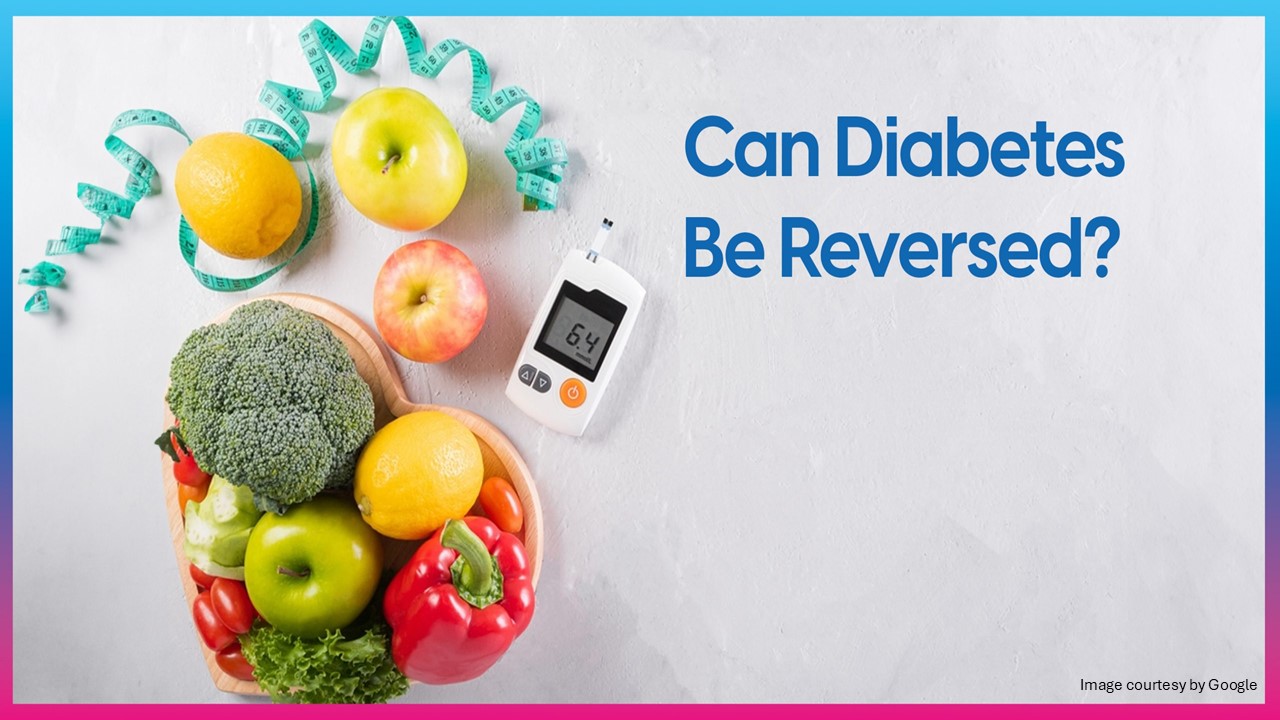
Type 2 diabetes mellitus has long been recognised as an incurable chronic disease based on traditional methods. Can diabetes be reversed? In recent years, some additional evidence suggests that diabetes may be reversed as an alternative to traditional diabetes management. This article will help you identify methods proven to reverse diabetes.
According to data revealed by the International Diabetes Federation (IDF), about 425 million people worldwide have diabetes mellitus. In the US only, it has been estimated that about 30.3 million adults live with diabetes, and its prevalence has been increasing rapidly, with at least 1.5 million new cases of diabetes diagnosed every year. Diabetes is considered a major public health epidemic despite advancements in treatment strategies.
Is there a cure for diabetes?
Type 2 diabetes is considered an incurable chronic condition. The best outcome expected is improved diabetes symptoms and slowed progression. Experts suggest that approximately 50% of type 2 diabetes patients will require insulin treatment within ten years. Although previously diabetes has been considered chronic and irreversible, the pattern is changing.
Is diabetes reversible?
A 2016 World Health Organisation (WHO) report on the metabolic condition discussed the reversal of diabetes. It acknowledged that it can be achieved through weight loss and calorie restriction. Despite the growing evidence that reversal of diabetes is possible, achieving reversal is not commonly supported by our healthcare system. In fact, reversal is not considered a goal in diabetes guidelines. There are specific interventions that target reversal; all have one thing in common: they are not considered the first-line standard of care. This is crucial because evidence suggests that the standard of care does not contribute to diabetes reversal. This raises certain questions about whether the standard of care is really a good practice.
Many studies indicate that diabetes can be reversed with bariatric surgery, while other approaches, such as carbohydrate restriction or low-calorie diets, have also shown effectiveness.
Why is diabetes prevention treatment?
Diabetes is far more than just high blood sugar; it can contribute to serious health problems if not treated at the right time. Data suggest that it’s the seventh leading cause of death in the US. Moreover, it is associated with major health problems like kidney failure, stroke, heart disease, blindness and foot infections. Also, diabetes patients spend at least twice as much on dial care compared to those without it. This is the reason prevention is a must. Diagnosing it early or stopping it before it progresses to an advanced stage can protect your long-term health. Can type 2 diabetes be reversed permanently? The number of research studies investigating the reversal of diabetes using non-surgical techniques has increased. Many research studies have reported successful weight loss and reduced insulin resistance, blood glucose and medication use following a low-calorie diet.
Bariatric surgery
Bariatric surgery has long been identified as an effective treatment for both morbid obesity and the metabolic processes that accompany it, specifically type 2 diabetes. While the effectiveness of type 2 diabetes reversal depends on the choice of treatment procedure, there is unilateral improvement in glycaemia following operation, and bariatric surgery has been revealed as superior to intensive type 2 diabetes medical management.
The most bariatric surgeries performed in the US include laparoscopic and robotic -en-Y Gastric Bypass or Sleeve gastrectomy. While surgical treatment is limited and intestinal malabsorption is common, research suggests that more complex mechanisms are at play. The surgical procedure has consistently been shown to rapidly and dramatically improve blood sugar, reduce the need for antidiabetic agents and insulin, and, in about 80% of patients, reverse type 2 diabetes in the short term. The long-term outcome of the surgical procedure depends on various factors, including patient comorbidities, the type of surgery performed, patient readiness for long-term dietary changes, and ongoing surveillance. While the surgical option has been established as safe and effective overall, it is important to identify that it is not without risks. Patients must weigh the risks and benefits related to untreated obesity versus those with surgery or effective dietary management and select wisely. Here, it is important to note that surgery of any type can be related to complications, ultimately leading to morbidity and mortality. Bariatric surgery is found to be the most effective method for overall effectiveness and prolonged remission despite some concerns related to surgical complications, treatment cost, and complete lifestyle modification after surgery. Post-surgery remains a challenge to the wide acceptance of this approach.

Low-calorie diet
Earlier, it was reported that a very low-calorie protein-sparing modified fast allowed the elimination of insulin in a few obese patients with type 2 diabetes. The average time to insulin discontinuation was only 6.5 days, with a maximum of 19 days. It has been shown that a low-calorie diet of 900kcal, including 115 grams of protein, significantly improves blood sugar control, mainly by increasing insulin sensitivity. Low-calorie diets are effective in reversing diabetes in the short term (up to 2 years). Long-term maintenance of diabetes remission is still not approved. Moreover, limited data support the long-term maintenance of weight loss and the associated improvements in blood sugar control following a low-calorie diet.
Carbohydrate-restricted diet
As with a low-calorie diet, long-term adherence to a low-carbohydrate restricted diet will likely remain an obstacle without sufficient patient education and optimal support for long-term behaviour change.
As with a low-calorie diet, long-term adherence to a low-carbohydrate diet will likely remain an obstacle without a complete understanding and optimal support for long-term behavioural change. Appropriate selection of supportive methods may be key to overall success in disease reversal.
Conclusion
The current standard of care may suit some people, but others would surely go with reversal if they understood there was a choice. The choice can only be offered if providers are not only aware of the possibility of reversal but also sufficiently educated to review these options in a patient-centric discussion. Research on the mechanisms underlying the reversal of diabetes in the above-mentioned approaches is lacking; more work is needed in this area to find a cure for diabetes.