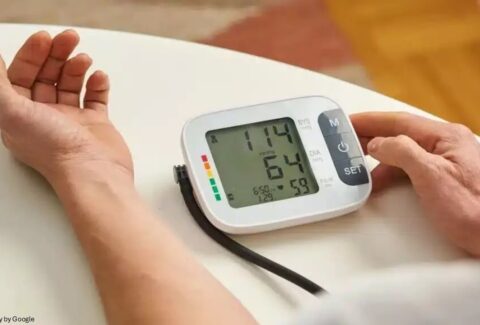
High Blood Pressure During Pregnancy: What You Need to Know
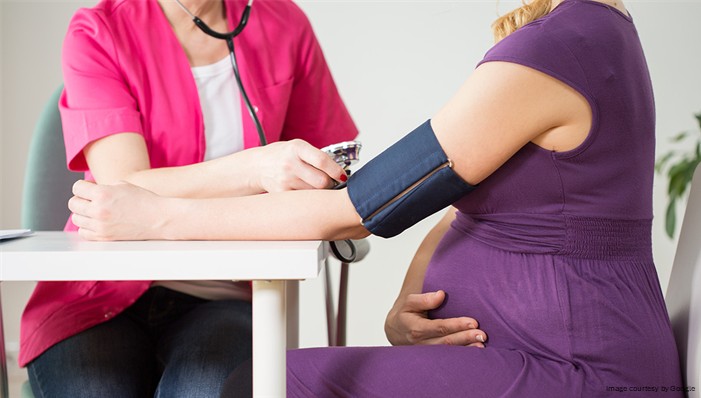
High blood pressure during pregnancy is not always easy to recognise. Some women experience no discomfort, while others may notice unusual symptoms as the condition progresses. This is why checking blood pressure during regular pregnancy visits is so important. Knowing what to look out for can help expectant mothers seek timely care and avoid unnecessary complications. Let’s learn about the right blood pressure for pregnant women.
Introduction
During pregnancy, a woman’s body undergoes numerous changes. These include everything from increased blood circulation to hormonal changes as the body adjusts to support the growing baby. Most of these changes are expected, but sometimes blood pressure rises. Interestingly, this can happen even to women who have never experienced high blood pressure before.
Why does high blood pressure develop during pregnancy?
A woman’s body has to work harder during pregnancy. Blood flow increases, the heart pumps more actively, and hormonal changes affect the blood vessels. Although blood pressure may drop slightly during the first half of pregnancy, it can rise later in some women.
There are three main forms of high BP in pregnancy:
-
Chronic hypertension: High blood pressure that exists before pregnancy or develops before the 20th week.
-
Gestational hypertension: Blood pressure that becomes elevated after 20 weeks without signs of pre-eclampsia.
-
Pre-eclampsia: A pregnancy-related condition involving high blood pressure and signs of protein in the urine or damage to organs such as the kidneys and liver.
Each condition needs a different level of attention, so identifying the cause is important.
What is considered normal blood pressure during pregnancy?
Blood pressure is measured using two numbers. The first shows the pressure when the heart pumps blood, while the second measures the pressure between heartbeats. Blood pressure levels below 120/80 mmHg are generally considered normal for adults.
Pregnancy blood pressure: The normal blood pressure for pregnant women is assessed using similar standards, although readings can vary as pregnancy progresses. A reading of 140/90 mmHg or above needs medical attention. If either number reaches 160/110 mmHg, it is considered severe hypertension and requires urgent assessment. A single unusual reading does not always mean there is a problem. However, repeated high readings should be checked without delay. Keeping track of pregnancy blood pressure during routine appointments helps identify changes even before symptoms appear.
What are the signs of high blood pressure during pregnancy?
One reason hypertension can become concerning is that it may develop without making a woman feel unwell. In some cases, the first indication is an unexpectedly high reading during a routine check-up.
However, certain changes may suggest that the condition is becoming more serious. Common signs of high blood pressure during pregnancy include:
-
A headache that is severe or does not go away.
-
Blurred vision, flashing lights or seeing spots.
-
Sudden swelling of the face or hands.
-
Pain in the upper abdomen, particularly beneath the right ribs.
-
Unexpected nausea or vomiting after mid-pregnancy.
-
Breathlessness or difficulty breathing.
-
Feeling unusually unwell.
These are also important signs of high blood pressure in pregnancy, particularly when they appear suddenly or occur together. Not every headache or episode of swelling indicates a serious problem. However, the symptoms of high blood pressure in pregnancy should never be ignored when they are severe or unusual. Persistent headaches, vision changes and breathing difficulties need immediate medical assessment.
How can high blood pressure affect the mother and baby?
High blood pressure during pregnancy can affect more than the mother’s health. It may also interfere with placental function, which supplies the baby with oxygen and nutrients. When blood flow to the placenta is affected, the baby may not receive enough nourishment to grow properly. This can increase the risk of restricted fetal growth and premature delivery. For the mother, uncontrolled hypertension may lead to kidney or liver problems, placental abruption, blood clotting complications and stroke. In severe cases, pre-eclampsia can progress to eclampsia, which involves seizures and requires emergency treatment. Therefore, high blood pressure and pregnancy should always be taken seriously, even when there are no obvious symptoms.
Can food help manage blood pressure during pregnancy?
Food choices can support better health during pregnancy, although diet alone cannot treat hypertension. A balanced diet to reduce high blood pressure during pregnancy should focus on fresh ingredients, adequate nutrition and limiting excessive salt. A few everyday changes can help:
-
Eat more fresh foods: Include seasonal fruits, vegetables and whole grains instead of relying heavily on packaged snacks.
-
Watch your salt intake: Pickles, papads, chips and instant soups can contain considerable amounts of sodium. Try to limit excessive consumption.
-
Include protein in your meals: Dal, beans, chickpeas, milk, curd, and paneer are good options for meeting daily nutritional needs.
-
Drink enough water: Staying hydrated supports normal body functions. Follow your doctor’s advice if you need to restrict fluid intake.
-
Prefer home-cooked meals: Cooking at home makes it easier to control salt and processed ingredients.
-
There is no need to eliminate salt or follow a restrictive diet during pregnancy completely. The aim is to eat well while meeting the nutritional needs of both mother and baby.
How is high blood pressure treated during pregnancy?
Treatment depends on how high the readings are, how far along the pregnancy is and whether any complications have developed. Some women may only need regular blood pressure checks and closer monitoring. Others may require blood and urine tests to check kidney function, liver health and protein levels. Ultrasound scans may also be recommended to follow the baby’s growth. If medication is needed, suitable blood pressure medicines may be prescribed. Women who were already taking hypertension medication before pregnancy should have their treatment reviewed, as some medicines are not safe during this period. Low-dose aspirin may also be recommended for women at increased risk of pre-eclampsia. In more serious situations, hospital monitoring or early delivery may be necessary.
Can high blood pressure during pregnancy be prevented?
Not every case can be prevented, but managing existing health conditions can help reduce certain risks. Women with a history of hypertension, diabetes, kidney disease or pre-eclampsia should discuss these concerns when planning a pregnancy. Eating balanced meals, staying active when appropriate and attending regular antenatal appointments can also support a healthier pregnancy. Most importantly, do not wait for symptoms before checking blood pressure. Regular monitoring helps identify problems early.
Heart & blood pressure medicines online
You can maintain your blood pressure prescription with AllDaychemist’s wide range of heart & blood pressure medicines, which include Aldactone 100mg, Amiodar 100mg, and more. Talk with your doctor to determine the best BP medicine and dosage for you.
Final thoughts
An elevated blood pressure reading during pregnancy can be worrying, but it does not automatically mean that something will go wrong. Many women with hypertension have healthy babies with timely diagnosis and appropriate care. Watch for unusual changes in your body, keep up with pregnancy appointments, and follow the recommended treatment plan. A healthy eating routine can provide additional support, but regular monitoring remains one of the most important steps in protecting both mother and baby.
1. What is considered high blood pressure during pregnancy?
A blood pressure reading of 140/90 mmHg or above is considered high during pregnancy. It can occur in women who have never experienced hypertension as well as those who already have a history of it. Sometimes, you may need to check the reading more than once before confirming the condition. Regular blood pressure checks help identify these changes early, even without noticeable symptoms.
2. What blood pressure is dangerous during pregnancy?
Blood pressure reaching 160/110 mmHg or higher is considered severely high during pregnancy. Such readings should never be taken lightly, as they may increase the risk of pre-eclampsia, stroke and other serious complications. Seek immediate medical attention, even if the woman feels fine. Prompt treatment helps prevent further complications and protects both mother and baby.
3. What are the symptoms of high blood pressure during pregnancy?
High blood pressure can develop without making a pregnant woman feel unwell. However, when complications such as pre-eclampsia develop, certain warning signs may appear. These include persistent headaches, blurred vision, sudden swelling of the face or hands, pain below the ribs, nausea and breathlessness. Do not dismiss these changes as ordinary pregnancy discomfort, especially if they appear suddenly.
4. How can I lower high blood pressure during pregnancy?
Keeping blood pressure under control during pregnancy requires regular check-ups and following the recommended treatment. Eating fresh fruits, vegetables and home-cooked meals while limiting excessive salt can support overall health. Getting enough rest and staying physically active, if advised, may also help. However, food and lifestyle changes are not substitutes for treatment. Never stop or change prescribed blood pressure medication without medical advice.
5. Can high blood pressure affect the baby?
Yes, high blood pressure may affect blood circulation through the placenta, which delivers oxygen and nutrients to the baby. When this happens, the risk of restricted growth and premature delivery may increase. Regular ultrasound scans and pregnancy check-ups help monitor the baby’s development and identify possible problems before they become more serious.
6. What causes high blood pressure during pregnancy?
High blood pressure during pregnancy can develop for different reasons, and sometimes there is no obvious cause. Women with existing hypertension, diabetes or kidney disease may have a higher risk. Being overweight, carrying twins or having experienced pre-eclampsia in an earlier pregnancy can also increase the chances. However, even women with no previous health problems can develop hypertension, which makes regular monitoring important.