
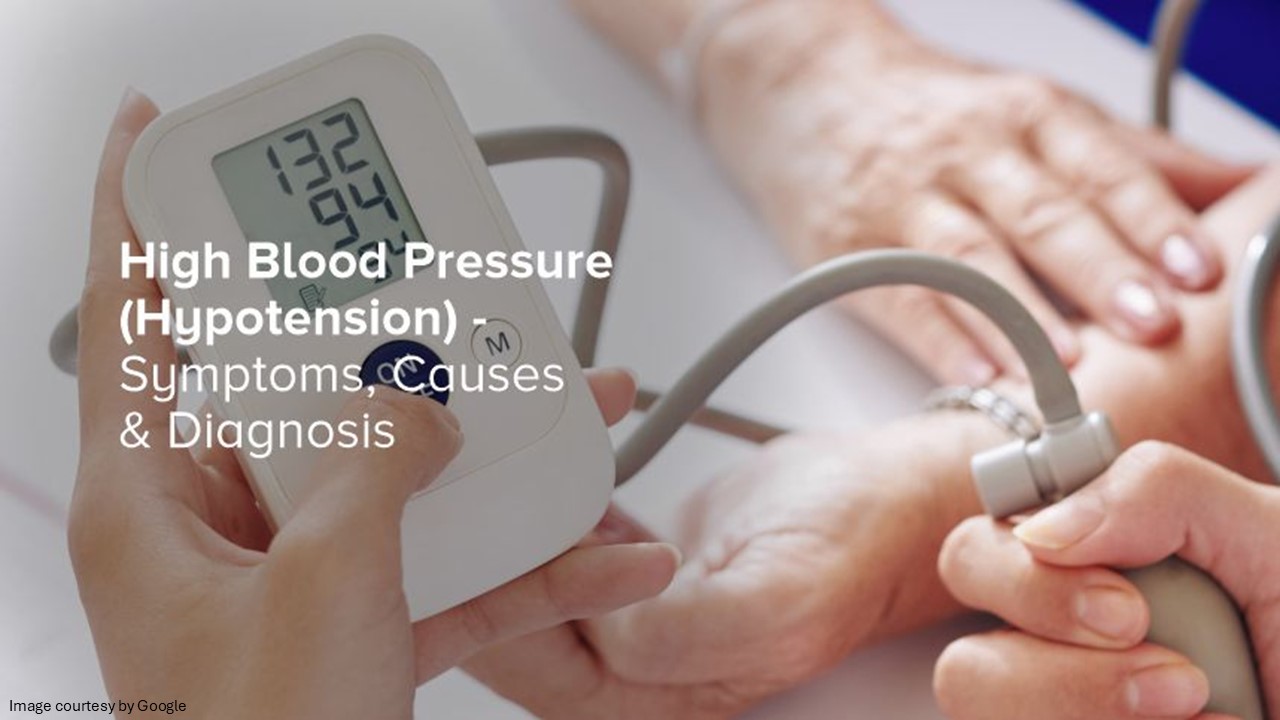
High blood pressure, medically known as hypertension, is one of the most common and serious health conditions affecting people worldwide. Despite its prevalence, it often goes unnoticed because it may not cause obvious symptoms in its early stages. Understanding high blood pressure facts is essential for preventing long-term complications and maintaining overall cardiovascular health.
This article explores key facts about high blood pressure, including statistics, health effects, lifestyle influences, nutritional considerations, and common myths, based on widely recognized medical data and public health insights.
What Is High Blood Pressure?
High blood pressure occurs when the force of blood pushing against the walls of the arteries remains consistently too high. Over time, this increased pressure damages blood vessels and places extra strain on the heart, increasing the risk of serious health conditions such as heart disease, stroke, kidney failure, and vision loss.
Blood pressure is measured using two numbers:
-
- Systolic pressure (top number) – pressure when the heart beats
- Diastolic pressure (bottom number) – pressure when the heart rests
Persistent readings above the normal range indicate hypertension.
High blood pressure facts and statistics
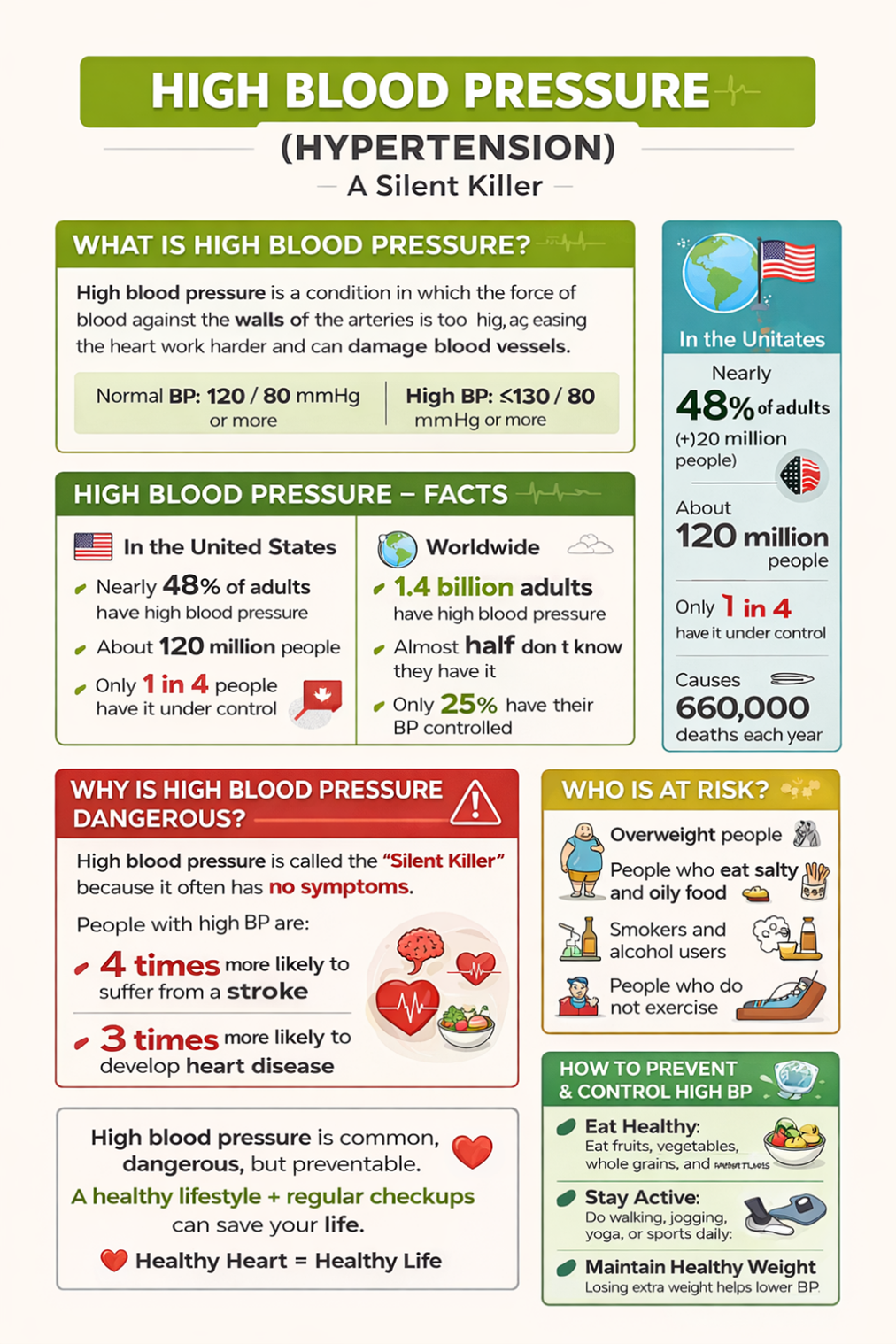
When discussing high blood pressure facts and statistics, the numbers are concerning and highlight why hypertension is considered a major public health issue.
-
- Approximately 1 in 3 adults suffers from high blood pressure
- A large percentage of individuals are aware they have high blood pressure
- Many people are under treatment, yet a significant number still fail to keep it under control
- Nearly half of those diagnosed do not manage their blood pressure effectively
High blood pressure is a leading risk factor for heart disease and stroke and is among the top causes of premature death globally.
Effects of high blood pressure on the body
One of the most alarming facts about high blood pressure is its strong connection to life-threatening conditions:
-
- People with high blood pressure are up to four times more likely to die from a stroke
- They are three times more likely to die from heart disease
- A significant percentage of heart attack, stroke, and chronic heart failure patients also suffer from hypertension
Because hypertension damages arteries silently over time, many people are unaware of its effects until severe complications occur.
High blood pressure facts and myths
There are many misconceptions surrounding hypertension. Understanding the difference between high blood pressure facts and myths is crucial.
Myth: High blood pressure always causes noticeable symptoms
Fact: Hypertension is often called the “silent killer” because it may show no symptoms for years
Myth: Only older adults develop high blood pressure
Fact: High blood pressure can affect young adults due to poor diet, stress, obesity, and inactivity
Myth: Medication alone can control blood pressure
Fact: Lifestyle changes, including diet and physical activity, are equally important
Nutrition facts: High blood pressure and diet
Diet plays a central role when discussing nutrition facts high blood pressure management. What you eat can either raise or lower your blood pressure.
Key nutritional facts include:
-
- Reducing salt intake significantly lowers blood pressure
- Increasing fruit and vegetable consumption provides potassium and antioxidants that support heart health
- Whole grains, lean proteins, and healthy fats help regulate blood pressure
- Highly processed foods contribute to sodium overload and vascular damage
Adopting a heart-healthy eating pattern is one of the most effective non-medical strategies for managing hypertension.
Lifestyle factors and blood pressure control
Beyond nutrition, lifestyle habits strongly influence blood pressure levels.
Important lifestyle-related high blood pressure facts:
-
- Weight reduction can lower blood pressure significantly; even modest weight loss has measurable benefits
- Limiting alcohol consumption helps protect the heart and blood vessels
- Regular physical activity improves muscular strength, circulation, and heart efficiency
- Stress management reduces hormonal responses that elevate blood pressure
Regular, moderate exercise and healthy daily habits can prevent hypertension and improve outcomes for those already diagnosed.
Why awareness and control matter?
Although many individuals are aware of their condition and receive treatment, control rates remain low. This gap highlights the importance of education, routine screening, dietary awareness, and long-term lifestyle commitment.
Understanding and applying high blood pressure facts empowers individuals to take proactive steps toward prevention, early detection, and effective management.
Final thoughts
High blood pressure is a serious but manageable condition. By learning the most important facts about high blood pressure, recognizing common myths, following proper nutrition facts for high blood pressure and making healthy lifestyle choices, individuals can significantly reduce their risk of heart disease and stroke.
Awareness, consistency, and informed decision-making are key to protecting long-term cardiovascular health.