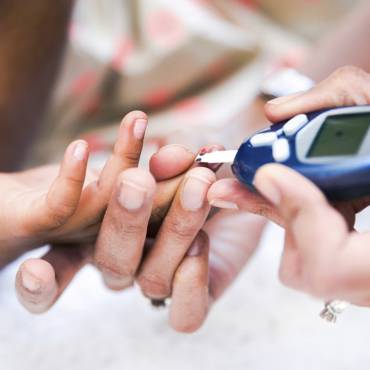
Diabetes is a chronic metabolic disease in which the body is unable to properly regulate blood glucose (sugar) levels due to problems with insulin production, insulin action, or both. Insulin is a hormone produced by the pancreas that allows glucose from food to enter the body’s cells and be used for energy. In type 1 diabetes, the immune system destroys the insulin-producing cells, leading to little or no insulin production. In type 2 diabetes, which is more common, the body becomes insulin-resistant or does not produce enough insulin. Persistent high blood sugar can damage blood vessels and organs over time, increasing the risk of complications such as heart disease, kidney failure, nerve damage, vision problems, and poor wound healing. Diabetes is managed through a combination of a healthy diet, regular physical activity, blood sugar monitoring, and medications or insulin therapy to maintain blood glucose levels within a healthy range.
The thyroid is a small, butterfly-shaped gland located in the front of the neck that plays a vital role in regulating the body’s metabolism. It produces thyroid hormones thyroxine (T4) and triiodothyronine (T3), which control how the body uses energy, maintain body temperature, and support the normal function of the heart, brain, and muscles. When the thyroid produces too little hormone (hypothyroidism), metabolism slows, leading to symptoms such as fatigue, weight gain, cold intolerance, and a slow heart rate. When it produces too much hormone (hyperthyroidism), metabolism speeds up, leading to weight loss, heat intolerance, nervousness, and a rapid heartbeat. Proper thyroid function is essential for growth, development, and overall health, and thyroid disorders are usually manageable with medication and regular medical care.
Is thyroid connected to diabetes?
Yes, there is a connection between thyroid and diabetes disorders, and the relationship is mainly linked through hormones, metabolism, and the immune system. Both conditions affect how the body uses energy, and problems in one system can influence the other.
The diabetes and thyroid connection is common because both involve hormonal regulation of metabolism. The thyroid gland produces hormones (T3 and T4) that control how fast the body uses energy, while insulin (affected in diabetes) regulates blood sugar levels. When thyroid hormones are too high (hyperthyroidism) or too low (hypothyroidism), they can interfere with how the body responds to insulin. For example, hyperthyroidism can cause insulin resistance and higher blood sugar levels. At the same time, hypothyroidism can slow glucose absorption and sometimes lead to low blood sugar episodes, especially in people already being treated for diabetes.

Diabetes thyroid issues
The connection is especially strong in autoimmune conditions. Type 1 diabetes is an autoimmune disease, and people with one autoimmune disorder have a higher risk of developing another. Autoimmune thyroid diseases, such as Hashimoto’s thyroiditis (hypothyroidism) and Graves’ disease (hyperthyroidism), are more common in people with type 1 diabetes. This happens because the immune system mistakenly attacks both the insulin-producing cells in the pancreas and the thyroid gland.
In type 2 diabetes, thyroid disorders are also more common than in the general population. Hypothyroidism can worsen insulin resistance, making blood sugar harder to control, while poorly controlled diabetes can affect thyroid hormone levels and thyroid function tests. This two-way interaction means that untreated thyroid disease can make diabetes management more difficult and increase the risk of complications such as heart disease and weight problems.
Because of this close relationship between diabetes and thyroid, doctors often recommend regular thyroid screening in people with diabetes, especially if symptoms like unexplained weight changes, fatigue, rapid heartbeat, or changes in blood sugar control appear. Early detection and proper treatment of thyroid disorders can help improve overall metabolic control and make diabetes easier to manage.
Diabetic thyroid
Diabetic thyroid is not a single medical disease, but the term is often used to describe the strong association between diabetes and thyroid disorders. People with diabetes are more likely than the general population to develop thyroid problems, and when both conditions occur together, they can affect each other’s control and complications.
Diabetes thyroid management
Managing diabetes and thyroid issues together involves coordinating medication (like levothyroxine for underactive thyroid), strict diet (whole foods, controlled carbs/iodine), regular exercise, stress management (yoga, deep breathing), consistent blood sugar/thyroid monitoring (TSH, HbA1c), and working closely with your doctor for efficient treatment plans, as one condition often affects the other. Key things to watch out for include timely medication, healthy weight, stress reduction, and regular screenings for both, as thyroid problems can worsen blood sugar control.
Takeaway!
Diabetes and thyroid disorders are closely connected through their effects on hormones, metabolism, and the immune system. Problems with thyroid function can make blood sugar control more difficult, while poorly managed diabetes can influence thyroid hormone levels. This relationship is especially strong in people with autoimmune conditions, such as type 1 diabetes, but it is also seen in type 2 diabetes. Because each condition can worsen the other, regular screening, early diagnosis, and coordinated management are essential. With proper medical care, healthy lifestyle choices, and consistent monitoring, people with diabetes and thyroid disorders can achieve better metabolic balance and reduce the risk of long-term health complications.