
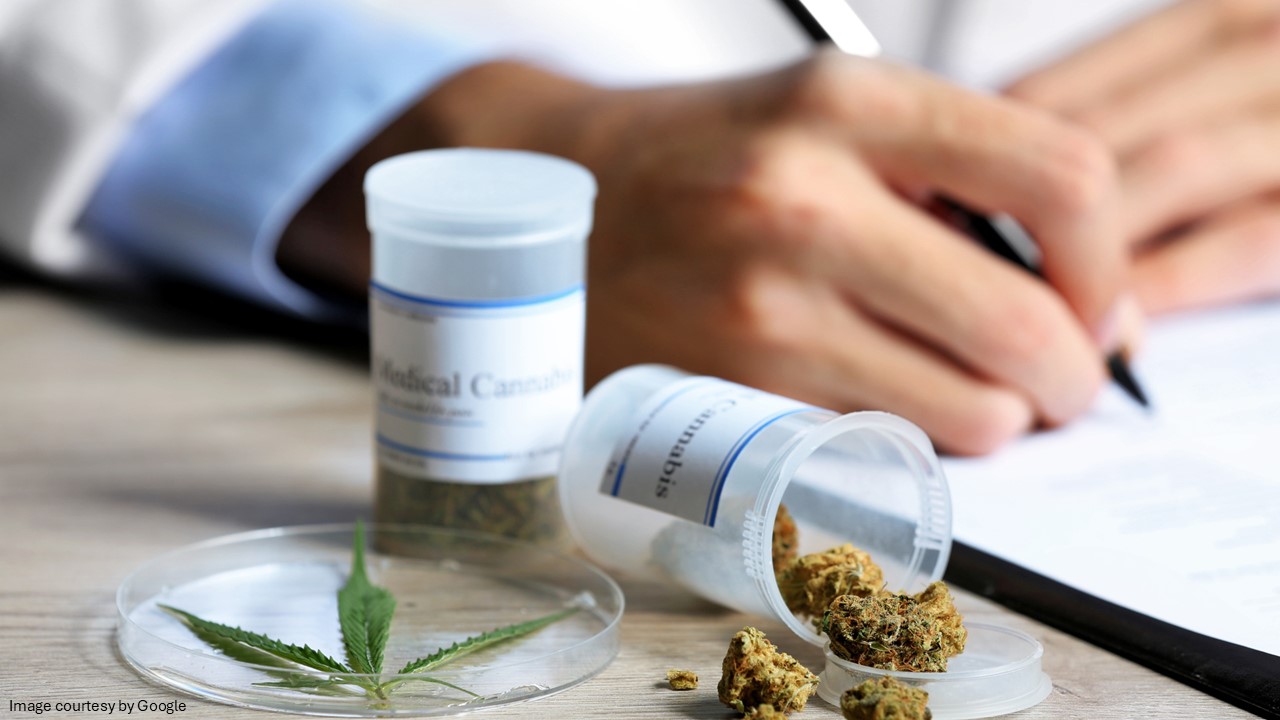
Many people use marijuana and its products as a treatment for chronic pain, mental health conditions and multiple sclerosis. However, scientific studies have found both risks and positive effects of marijuana.
About medical marijuana & its uses
What is medical marijuana? Also called medical cannabis, utilises the cannabis plant or chemicals in it to treat medical conditions. The highly purified and lab-made versions of medical marijuana are made for certain symptoms and conditions. The plant of cannabis contains about a hundred or more chemicals called cannabinoids. All are different and hence exhibit different effects on the body. Cannabidiol (CBD) and Delta-9-tetrahydrocannabinol (THC) are mainly used for medical purposes. THCC is responsible for producing the “high” that people feel when they smoke marijuana or consume foods containing it.
The use of marijuana for medical purposes has led to many nationwide debates, ultimately resulting in a far-reaching ban across various nations. However, the use of marijuana for health benefits is not a recent event. In ancient times, cannabis was used by the Chinese and the Greeks to treat various diseases. But later, the harmful effects of marijuana came into light. The negative repercussions associated with the use of cannabis soon overshadowed the belief that it was effective against many symptoms arising from serious and fatal illnesses.
Though the components present in marijuana have been shown to offer many health benefits, its harmful effects are still hard to ignore.
Medical marijuana card
How to get a medical marijuana card? A written recommendation is required from a licensed doctor to get most forms of medical marijuana. And you can only get it in a state where it is legal. This is not the same as prescription medicines, as these drugs are not FDA-approved. Not every healthcare specialist recommends medical marijuana for their patients. Some healthcare professionals forbid the practice.
Your condition must qualify for medical marijuana use in your state. Your state may also need you to carry a medical marijuana card. Once you have this card, you can usually purchase it from a dispensary.
Risks & benefits of medical marijuana
More states are legalising marijuana for treating pain and illness. Let’s find out what conditions it is used for and the known negative marijuana’s health effects.
Marijuana health benefits:
-
- Tourette’s syndrome:
Research conducted by Dr Kirsten Mueller Vahl of the Hanover Medical College in Germany concluded that a single dose of the cannabinoid, especially THC, resulted in a significant reduction in the various symptoms of this neurological condition for several hours, compared with a placebo. Tourette’s syndrome is characterised by uncontrollable facial grimaces, tics, and involuntary grunts, snorts and shouts.
-
- Seizures:
Medical marijuana has been able to help countless people suffering from seizures and has been used to help them function better. This is because it has “antispasmodic” qualities and works as a muscle relaxant.
-
- Glaucoma:
Marijuana’s powerful and popular effects on glaucoma patients have been well-documented. It helps lower intraocular pressure in patients with glaucoma, thereby improving their condition.
-
- HIV/AIDs:
Marijuana improves appetite in HIV/AIDs patients, relieves nausea, anxiety, and inflammation and mitigates the adverse effects of anti-HIV drugs.
-
- Multiple sclerosis:
The use of marijuana to treat this fatal disease became well-documented when Montel Williams, a former talk-show host, started using pot to treat his MS. It is believed that marijuana blocks the neurological effects and muscle spasms that arise from MS.
-
- Alzheimer’s:
Contrary to the popular hearsay about the various effects of marijuana on the brain, in 2006, it was proven by the Scripps Institute that the THC found in marijuana helps prevent Alzheimer’s. It does this by blocking brain deposits that cause the disease.
-
- IBS and Crohn’s:
The various symptoms of the chronic diseases have been successfully treated with the help of marijuana, as it stops abdominal pain, nausea and diarrhoea.
It is important to note that many of the health benefits of marijuana mentioned above lack strong scientific evidence. Researchers find it hard to investigate a drug that remains illegal under federal law even when it is allowed by states. Here, it’s also important to understand that medical marijuana treats symptoms such as muscle spasms of multiple sclerosis and the loss of appetite that occur due to HIV medications rather than the conditions themselves. The positive effects of marijuana need to be investigated at a higher level, or large studies need to be conducted to demonstrate marijuana’s health effects.
Possible negative effects of marijuana:
-
- Marijuana effects linked to smoking. Any smoking can cause damage to the lungs and increase the risk of blood vessel diseases.
- Marijuana has a negative effect on learning, attention, and memory in teens and young adults who use marijuana in excess before their brains are fully developed.
- An increased risk of schizophrenia in individuals already at risk of serious mental health conditions.
- There have been reports of frequent vomiting among long-time users of high-dose THC.
- Cannabis use disorder is more likely to happen among teens compared to adult users.
- In addition to negatively affecting the body’s immune system, marijuana can generate a feeling of loneliness and lack of attention.
- People with heart disease should not use marijuana. Research has found an increased risk of heart attack in the hour after smoking marijuana. It can directly interfere with the heart’s function.
- Women who are pregnant should not use marijuana as THC in it gets into the fetal brain and affects later attention, problem-solving, and memory. Marijuana can also increase the risk of premature birth, stillbirth, and low birth weight. Also, women who are breastfeeding should not use marijuana. THC can also enter the infant’s brain and may harm development.
The National Cancer Institute has revealed that, in comparison to many other prescription drugs, marijuana can be addictive but is also far safer. The two drugs derived from the synthetic cannabinoids, namely Dronabinol and Nabilone, have been approved by the U.S Food and Drug Administration to help treat nausea and loss of appetite experienced by cancer patients undergoing chemotherapy. However, the consent to use marijuana in the plant form for medical purposes has not yet been approved by the FDA.
The conflicting results of studies and research pertaining to the marijuana health effects and medical uses have put the government, as well as many people, in a serious dilemma. Further surveys in this regard will hopefully lead to a more substantial outcome.