Menopause and Joint Pain: Understand Causes and What to Do
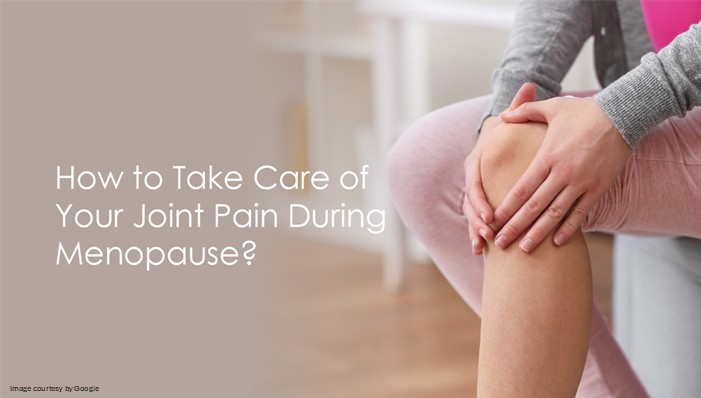
Joint pain and musculoskeletal complaints are among the common reasons women require medical attention. Gynaecology and primary care are crucial for many women. However, joint pain during menopause may require the attention of a rheumatologist, orthopaedist, and pain specialist to help diagnose and manage musculoskeletal conditions.
Causes of joint pain in middle years
A complaint of joint pain in a woman aged 40 to 60 years could be an indication of common conditions such as oestrogen-deficient states, osteoarthritis and gout. One of the possible causes of joint pain during menopause is the reduction and fluctuation of estrogen. However, less common conditions including rheumatoid arthritis, systemic lupus erythematosus and chronic infections must be considered for women of this age group having complaints of aching joint menopause symptoms. One important consideration when assessing women with joint pain is determining whether arthritis is present. A joint-specific problem such as arthralgias may be caused by osteoarthritis or inflammatory arthritis. A patient with this type of joint problem may experience sharp pain, aching, and stiffness in one or more joints. This distinction separates arthralgia from myalgia (muscle pain), neuralgia (pain due to damaged or irritated nerves), and centrally mediated pain (chronic pain due to damage inside the brain).
Arthritis is confirmed when there is evidence of bursitis, synovitis, joint effusions, and enthesitis (inflammation at tendon insertion sites). Radiographic features of arthritis, such as osteophytes, help identify osteoarthritis, whereas erosions are more commonly associated with inflammatory conditions such as rheumatoid arthritis, gout, or psoriatic arthritis.
Osteoarthritis is one of the most common forms of arthritis across the world, and its incidence is increasing in postmenopausal women. Weight-bearing joints, such as the hips, knees, and the lumbar spine, are primarily affected by osteoarthritis.
Joint pain in menopause is usually polyarthritic rather than monoarthritic, as seen in Lyme disease, crystalline arthritis, or mechanical injury. Joint pain symptoms can be uncomfortable. Most women experience pain and stiffness in multiple joints without swelling. Usually, joint pain during menopause does not cause destructive joint damage or arthritis.
There are no tests to diagnose joint pain due to oestrogen-deficient states; however, it will often present in the context of other menopause symptoms. The condition is often recognised when joint symptoms occur alongside other menopausal changes (mood, vasomotor, and sleep dysregulation).
Menopause joint pain
Menopause and joint pain can happen together; hormonal changes are not necessarily the explanation. Painful joints can become an unexpected complaint during menopause in women. Some women experience stiff joints menopause discomfort in their knees, fingers, hips, shoulders, or other areas around the time their periods become irregular. Although hormonal changes may play a crucial role, any joint aches should not automatically be considered a normal consequence of menopause. Several other conditions can produce joint pain menopause symptoms, making a careful assessment worthwhile.
The first thing is the nature of the pain: how it actually feels. Then, its location, intensity, timing, and effect on movement can provide further useful clues. Joint stiffness that lasts a long time after waking, along with visible swelling or warmth around a joint, could indicate inflammation. These findings are different from the occasional aches that can occur after physical activity or prolonged inactivity. Rheumatoid arthritis is one inflammatory condition that may occur during adulthood and is more likely to affect women. Usually, there is involvement of hands, wrists, and other joints, sometimes affecting both sides of the body. Healthcare professionals may conduct blood tests, such as rheumatoid factor and anti-CCP antibody tests, as part of the assessment plan. These tests can support a diagnosis, but the results need to be considered alongside the person’s symptoms and physical examination.
Other disorders can also resemble rheumatoid arthritis. Gout and calcium pyrophosphate deposition disease may trigger painful, inflamed joints, while psoriatic arthritis can occur in people who have psoriasis. A broader medical evaluation may be appropriate if joint symptoms occur with persistent skin changes, unusual rashes, colour changes in the fingers, unexplained weakness, breathing symptoms, or other unusual changes.
Sometimes the source of the discomfort is not the joints at all. Muscle problems, infections, thyroid abnormalities, vitamin D deficiency, coeliac disease, physical overuse, and certain medicines can cause widespread aches or weakness. Medicines such as statins and some other drug groups have also been associated with musculoskeletal complaints in susceptible individuals.
Can menopause be linked with joint aches?
Estrogen has effects throughout the musculoskeletal system. Receptors for this hormone are present in tissues involved in movement and joint function, including cartilage, muscles, tendons, and bone. As ovarian estrogen production changes during the menopausal transition, some women may experience greater stiffness or generalised aches. Joint pain menopause symptoms are not the same for every woman. Some women notice symptoms around the same time as hot flashes, sleep problems, or changes in their menstrual cycle, while others may develop musculoskeletal complaints without many other obvious menopausal symptoms. Women taking aromatase inhibitors can experience particularly pronounced joint and muscle discomfort because these medicines markedly suppress estrogen activity.

What can help?
Menopause pain relief management should be based on the reason behind the pain. If another medical condition is responsible, treating that condition is more important than treating the discomfort alone. Movement is generally beneficial for the musculoskeletal system. Strength training can help maintain muscle and bone strength, while activities such as walking, swimming, or cycling offer ways to remain active with relatively little joint impact. Starting gradually and increasing activity as tolerated can make exercise easier to maintain.
Pain-relieving medications such as NSAIDs may turn out to be an effective option for certain people for temporary menopause joint pain relief. However, they can be unsuitable in some circumstances and should not be taken regularly without appropriate medical advice.
Is hormone therapy an option?
Hormone therapy may improve some joint pain menopause symptoms and could reduce joint complaints in certain women. It is not, however, routinely used simply because someone has joint pain. The possible benefits and risks should be considered individually, taking into account age, menopausal symptoms, medical history, and personal treatment goals.
Related menopause and joint pain products
Women dealing with aching joint menopause symptoms may find a wide range of treatment options available at pharmacies. AllDayChemist is a leading online pharmacy that sells authentic medications at the best prices. Products such as topical diclofenac (Voveran Gel 1%) present in the pain relief category may be used for certain types of joint pain and inflammation, while estrogen-containing medicines, such as estradiol gel (Oestrogel) or patches in the women’s health category, are used as hormone therapy for appropriate menopausal symptoms. Get in touch with your doctor to get a prescription for your joint pain.
Final verdict!
Joint pain during midlife can have several explanations. Hormonal changes may contribute, but persistent pain, swelling, prolonged stiffness, or symptoms outside the joints deserve proper medical attention. Identifying the cause allows treatment to be directed at the actual problem, while regular physical activity can help maintain strength, mobility, and overall musculoskeletal health.