If you are looking for one ingredient that does it all, treats, soothes, brightens and protects your skin. For now, stop guessing about it. This article will help you know everything about the powerhouse ingredient azelaic acid that has now entered the mainstream in skincare and for all the right reasons.
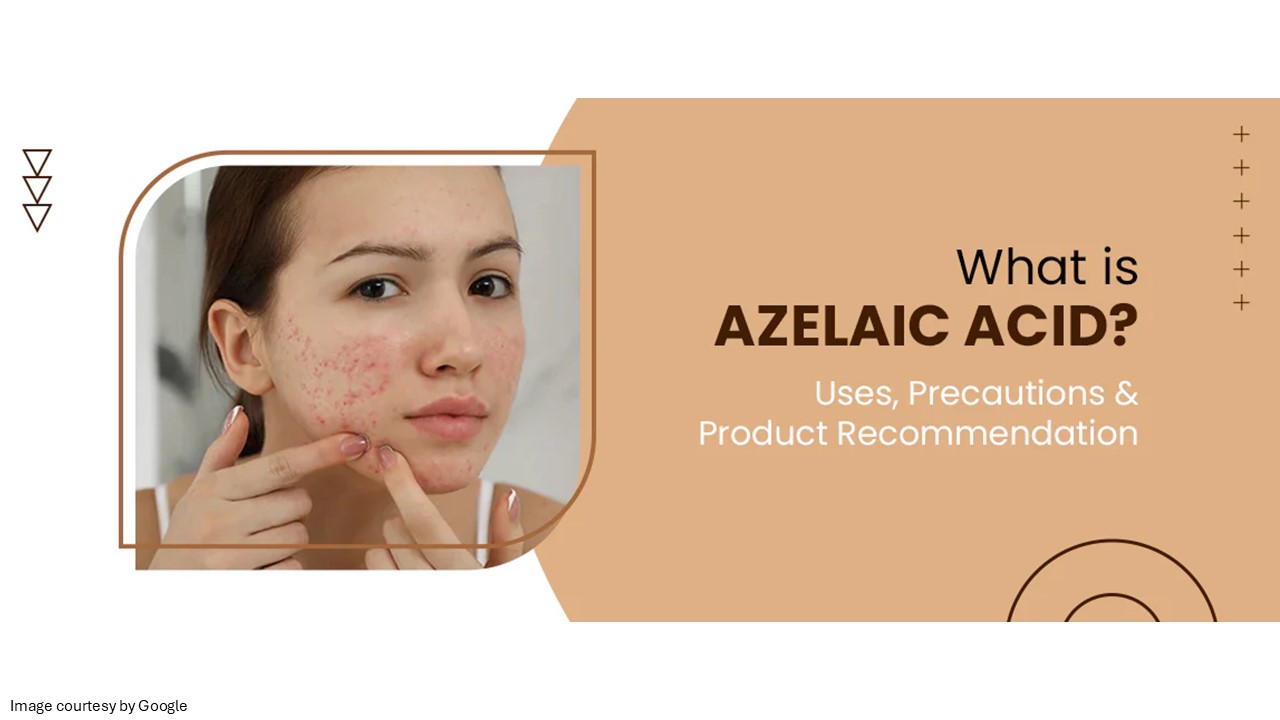
If you are looking for a solution to persistent concerns like acne scars, uneven skin tone, pimples, or redness, chances are you have heard of azelaic acid. Most of you out there have heard of it for acne treatment, but it does so much more than that. The topical application of azelaic acid has found multiple uses in dermatology. Its antioxidant, anti-inflammatory, and antimicrobial properties are currently used to treat various forms of acne, including rosacea and acne vulgaris.
What is azelaic acid?
Skin diseases, medically termed dermatoses, are a group of conditions with various causes, sometimes not fully understood, whose symptoms can be seen in all layers of the skin. The lesions that develop on the skin mostly progress with local inflammation. Thus, a topical formulation is often the first-line treatment for this condition.
In the last few years, Azelaic acid, a natural acid applied externally on the skin, has become increasingly popular. It has become a trusted name in modern skincare, gaining popularity for its gentle yet effective approach to common skin concerns, including acne, uneven skin tone, and rosacea. What does azelaic acid do? The skin care agent is a naturally occurring dicarboxylic acid present in whole grains and produced in small amounts by the yeast living on human skin. In skincare preparations, its synthetic version is used to ensure purity and stability. It is different from exfoliating acids like salicylic acid and glycolic acid because it does not belong to the alpha- or beta-hydroxy family.
How azelaic acid work?
It functions to normalise the shedding of dead skin cells while reducing inflammation. This dual mechanism of action makes it suitable for different skin types, including reactive or sensitive skin, where harsh treatments often contribute to irritation. Azelaic acid is thought to target several underlying factors that contribute to common skin problems. Numerous research studies list their benefits. When it comes to acne, it reduces the growth of bacteria that cause acne and prevents clogged skin pores. It can regulate keratin production, preventing the accumulation of dead cells and, in turn, the formation of whiteheads and blackheads.
Beyond its acne-fighting properties, azelaic acid can also have an inflammatory effect. This makes it a highly effective formulation for conditions such as rosacea, where the main problems are sensitivity and redness. Additionally, it is known to inhibit the tyrosinase enzyme, which produces melanin (the skin pigment that gives skin its colour). This helps reduce the appearance of dark spots, post-acne marks, and melasma with regular use over time. Unlike certain exfoliants, it does all this without disturbing the skin barrier. This is the reason why most dermatologists worldwide often prescribe it as a long-term treatment.
Benefits of azelaic acid in skincare
One reason for azelaic acid skincare’s popularity is its versatility. It effectively addresses multiple skin issues at once, making it a valuable addition to your skincare regimen.
-
- Clearer complexion – Topical application of azelaic acid on a regular basis helps to prevent the formation of new breakouts and fades existing blemishes without overdrying the skin. It is often considered a gentler alternative to benzoyl peroxide or tretinoin, which can cause skin dryness and peeling.
- More even tone & brighter complexion – As mentioned above, azelaic acid helps regulate melanin production, resulting in a more uniform complexion. This property of azelaic acid is highly effective in treating hyperpigmentation caused by acne scars or sun exposure.
- Eliminated redness and inflammation – People with rosacea or easily flushed skin can rely on azelaic acid, as it calms visible redness and irritation by modulating inflammatory pathways.
- Compatibility with other skincare ingredients – An azelaic acid formulation can be combined with most other skincare formulations, such as hyaluronic acid, ceramides, and niacinamide. The mild nature of this skincare ingredient makes it suitable for use with prescription treatments under a dermatologist’s guidance.
- Perfect for sensitive skin – Azelaic acid is too gentle to use daily, even for individuals with easily irritated skin types.
How to introduce Azelaic acid into your routine?
Azelaic acid, available in various strengths and formulations, is used in over-the-counter serums, creams, and face washes (typically 10 to 15%) as well as in prescription versions containing up to 20%. How to use azelaic acid? Those who have just introduced azelaic acid skincare into their routine are advised to start with a lower concentration to allow the skin to adjust. It is recommended to apply once or twice daily to clean, dry skin.
Make sure you complete the treatment regimen by applying a moisturiser and sunscreen in the morning. Unlike retinoids and other skin formulations, azelaic acid is not photosensitising and can be used safely during the daytime. However, sun protection is a crucial part of the treatment regimen, as it maximises its brightening benefits. Mild tingling or dryness may occur during the first few days of treatment in some people. However, in most cases, these adverse effects resolve on their own as the skin builds tolerance. This is the reason dermatologists often recommend introducing this topical preparation slowly, using it on alternate days, before switching to daily application, to avoid irritation.
Research studies consistently support the multifunctional benefits of azelaic acid skincare, confirming its role in managing acne, rosacea, and pigmentation issues. Its ability to offer visible skin improvement without damaging the skin’s natural barrier gives it an edge over trending skincare ingredients. Moreover, its suitability for almost all skin tones and conditions has helped it become a dermatologist-recommended option for skin care worldwide.
Azelaic acid represents the ideal topical solution that works steadily and safely to improve the skin’s health.

admin
Latest posts by admin (see all)
- Why Azelaic Acid should be your next skincare upgrade? - December 6, 2025
- Sildenafil Jelly – A Faster-Acting Alternative to Traditional ED Tablet - August 22, 2025
- Not Just Thirsty: Surprising Signs Your Body Is Dehydrated - August 8, 2025