
What are hair loss patterns, and why do they matter?
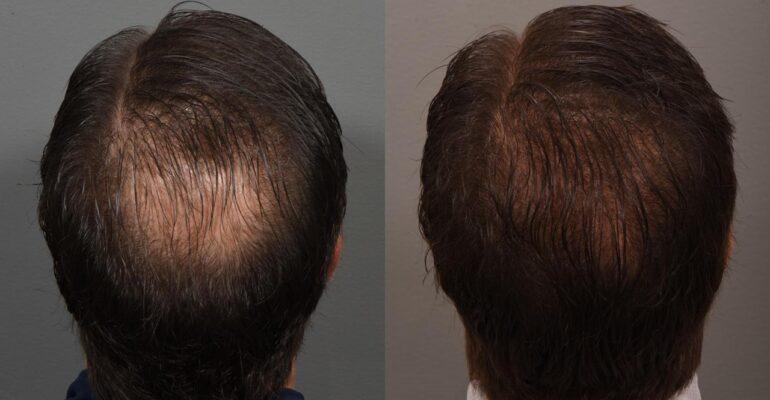
Hair loss is quite common, affecting millions of people worldwide, regardless of age or gender. Losing a few strands daily is quite normal, but noticeable hair thinning or bald patches can be distressing. One of the most important aspects of hair loss is its pattern, which is often overlooked. Knowing the hair loss pattern helps identify the causes, progression, and appropriate treatment options. It is important to have a complete understanding of these hair-thinning patterns to enable early intervention, accurate diagnosis, and the most effective hair restoration treatments. What is pattern hair loss? This article helps discover the types of hair loss and associated information.
Understanding hair loss patterns
Hair loss patterns refer to the specific ways in which hair loss happens (for example, the type of hair thinning or baldness that develops on the scalp or body). The hair thinning patterns are not random; genetics, hormones, medical conditions, environmental factors, and lifestyle often influence them. Some patterns develop suddenly, while others progress slowly over many years. Some types affect only the scalp, while others may involve facial hair, eyebrows, and body hair. Identifying these changes helps differentiate temporary hair shedding from permanent hair loss, as well as medical issues from cosmetic concerns.
Types of hair loss patterns
Hair loss can range from mild hair thinning to complete baldness. There are different types of hair loss. Medically, hair loss falls into several categories, which include:
-
- Androgenetic alopecia (male pattern hair loss) – What is androgenetic alopecia? Well, in men, hair loss may follow the typical male pattern, characterised by a receding front hairline or thinning at the top. Over time, as the pattern progresses, these areas expand and connect, leaving only at the sides and, in some cases, also at the back. It is most common in men, and there is no set age for it; a man can experience it even in his teenage years. It is believed to be caused by the interaction of three factors: increasing age, inherited tendency, and male hormones. Women may also develop some degree of female pattern hair loss, and in women, thinning occurs at teh crown area of the scalp, sparing the front of the scalp. The widening of the area that is the top of the scalp is a common early sign.
- Telogen Effluvium – Hair loss usually occurs 2 to 3 months after a major physical stressor, such as a prolonged illness, a serious infection, or surgery. Sudden hormone fluctuations can also bring this type of hair loss, especially in women after the delivery of a child. This type of loss affects the entire scalp rather than specific regions. There is excessive hair shedding during washing or brushing, and an immediate loss of hair volume. Telogen Effluvium is reversible, and once the cause is identified and addressed, follicles gradually return to the growth phase. Regrowth starts after several months, and full recovery takes a year or more. Identifying the pattern helps avoid unnecessary long-term treatments, and reassurance can significantly reduce stress-related hair loss.
- Diffuse hair loss beyond telogen effluvium – Telogen Effluvium is a diffuse hair loss, but there are many other reasons behind the hair loss, including nutritional deficiencies, thyroid disorders, autoimmune diseases, and certain medications can also produce widespread thinning. Sometimes, diffuse hair loss may co-exist with early androgenetic alopecia, particularly in women, making diagnosis more difficult. It’s important to identify the underlying causes of diffuse thinning, which requires careful examination of the medical history, timing, and progression. Once the correct pattern is identified and the underlying causes are addressed, recovery can be achieved with proper guidance.
- Alopecia areata patterns – Alopecia areata is an autoimmune disorder in which the immune system attacks hair follicles. This leads to sudden hair loss with well-defined patches, often appearing as smooth, round bald spots on the head or other hair-bearing parts. The condition can present in several patterns, ranging from a single small patch to multiple patches across different hair-bearing areas. Sometimes, hair loss occurs in a band-like pattern around the sides and back of the scalp, known as ophiasis. The severe forms can lead to complete loss of scalp hair or all body hair. This is highly unpredictable: in some cases, spontaneous regrowth occurs, while in others, recurrent or progressive episodes are observed. Identifying the pattern helps assess severity and informs treatment decisions.
- Traction alopecia – This type of hair loss pattern appears after prolonged or repetitive tension applied to the hair shaft. Hairstyles that pull tightly on the hair, including braids, ponytails, buns, extensions, or certain cultural or occupational styles, eventually damage follicles. Identifying the pattern early is important to treat the condition. But a delay in diagnosis can permanently damage the follicles.
- Scarring alopecia patterns – When hair follicles are permanently damaged due to inflammation, autoimmune or infectious conditions, leading to the development of scar tissue. The pattern appears in irregular patches and is sometimes accompanied by redness, scaling, itching, burning, or pain. Early diagnosis is important for treatment because once scarring has occurred, it’s impossible to regenerate follicles.

Diagnosis and treatment
Hair loss patterns help provide a framework for diagnosis by identifying whether hair loss is localised or diffuse, sudden or gradual, and inflammatory or non-inflammatory. Individuals with similar degrees of hair loss may require different treatments depending on the pattern of hair loss. Identifying the correct pattern allows targeted treatment and optimised outcomes.
Psychological impact and the importance of early identification
Hair loss patterns can affect a person’s emotions, and sudden shedding or thinning can be stressful. In contrast, gradual pattern thinning may go unnoticed until it becomes advanced, causing distress in the patients. Patchy loss causes tension because it is unpredictable.
Identifying pattern loss early is important to prevent permanent follicle damage and promote regrowth. Early diagnosis of hair loss patterns can increase the chance of preserving hair, reduce treatment intensity, and improve long-term outcomes.
Final outcome!
Hair loss patterns are important because they help identify the cause, predict progression, and guide effective treatment. They help differentiate temporary shedding from permanent loss and allow individuals to move from uncertainty to informed decision-making. Knowing hair loss patterns is not just about identifying what is happening; it is about understanding what can still be done.