Understand and Fight Acne Problem & Medication for Pimples, Blackheads & Whiteheads
Understand and Fight Acne Problem & Medication for Pimples, Blackheads & Whiteheads
Acne is an annoying skin condition that can significantly affect an individual’s life if left untreated.
Acne occurs when hair follicles become plugged with dead skin cells and oil. Acne usually causes pimples, blackheads, and whiteheads. It is the most common skin condition among teenagers, but it can affect people of all ages. A lack of treatment can worsen the skin condition and cause a person to lose confidence. Acne can be mild to severe; it depends on how you deal with and treat it.
In many cases, it fades away on its own in weeks or months. A doctor’s consultation is vital here to avoid skin complications. As per studies, doctors believe that severe acne can make you emotionally weak; timely treatment can lower the risk of such problems. When acne outbreaks cannot be eliminated, conventional treatments can offer relief. Some acne medications have been proven effective, e.g., Retin-A Gel. This is one of the most commonly prescribed topical formulations for acne sufferers.
The right treatment inhibits sebum production, encourages the shedding of skin cells to unclog pores, or limits bacterial growth. To get rid of acne, prescription and non-prescription treatments are available; consider the severity of your condition.
Nonprescription Acne Treatment
- Water Intake – Drinking plenty of water is the 1st way to give your skin a boost for self-healing of acne and many other health conditions. Consuming 12-15 glasses of water daily can help soothe your skin by reducing oiliness.
- Using mild soap and cleanser – Twice to thrice a day, gentle face cleansing with mild soap and water can help reduce acne. Avoid aggressive scrubbing or facials when you experience moderate to severe acne, as this can injure the skin and cause other skin issues.
- Protection from Sun – Avoiding the heat is very much needed when you experience moderate to severe acne. The UV rays of the sun can make your acne worse, so it is best to avoid the sun or wear sunscreen (SPF 50) when you go out.
- Eat good food – It is believed that eating wisely should prioritise preventing the outbreak of cancer. Foods rich in omega-3 fatty acids fight acne faster than non-omega foods. Fish, spinach, soybeans and soy products, nuts, and flaxseeds are common foods rich in omega-3 fatty acids. In addition, eating citrus fruits helps prevent acne. You can also try flavored water to help your body absorb antioxidants.
- Blood purification – Juice of beetroot, Azadirachta indica, and bitter melon helps in blood purification naturally. You can mix all of these, or take a single one every other day to purify your blood. In addition, eating jaggery also purifies the blood and helps break up clots in the body.
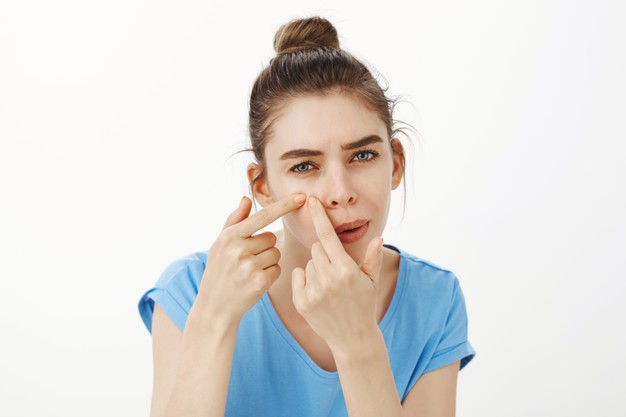
- Never touch or squeeze your acne or normal pimple – One should not touch or squeeze his/her acne or normal pimple when it is ready to break, as this can lead to further inflammation and permanent scar. Allow your pimple to burst naturally, then wash your face with cold or normal water.
Prescription Acne Treatment
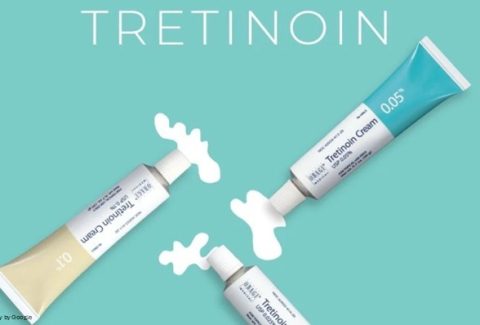
- Topical Formulation – Acne medications like Retin A Gel containing Tretinoin promote quick healing of the pimples when applied correctly for the prescribed duration. This medication is a popular option for treating acne vulgaris. Retin A Gel is a generic option that belongs to a retinoid class, which works by affecting the skin cells’ growth. Its active formula works and delivers the desired result within 8 to 12 weeks, depending on the severity of your acne condition. This medicine comes in different strengths and forms (i.e., gel, cream, and liquid).
- Antibiotic – Taking timely antibiotics helps prevent acne vulgaris. Antibiotics work by clearing the acne-causing bacteria and reducing skin inflammation. Many antibiotics come in topical (like Retin-A Gel) and oral forms. Take antibiotic tablets after consulting a doctor to avoid complications to your health or skin.
- Therapies – In some people, therapy works when they find oral and topical therapies ineffective, showing no or very little result. Therapies like:
- Light therapy – light-based therapy has shown some good results; it requires multiple visits to a doctor’s clinic to get it done.
- Drainage and extraction –To gently remove the cysts and comedones from your skin, your doctor may use some special tools. This technique temporarily improves skin appearance but can also cause scarring.
- Chemical Peel –This process can be considered for mild acne; a chemical solution, such as salicylic acid, retinoic acid, or glycolic acid, helps improve skin appearance.
- Steroid Injection – Cystic and nodular lesions can be treated by injecting a steroid into the skin. It is believed that this therapy offers rapid improvement with less pain. The main side effects of this therapy are skin thinning and discoloration in the treated area.
Where to buy acne medicines?
Acne medicines can be purchased online or directly from a medical store. Online pharmacies provide good discounts on medicines. Explore AllDayChemist (an online pharmacy) that offers a wide range of acne products, including tretinoin (A Ret gel, Flowlizo Micro gel), clindamycin, adapalene, and more, at discounted rates.