Our skin is much more than just an outer covering. It is a complex organ with important functions that go beyond aesthetics. It’s our body’s first line of defence, protecting us from harmful pathogens like bacteria and viruses. It also helps regulate body temperature, senses touch, and retains moisture to keep the body hydrated.
But skin is also a reflection of overall health. How our skin looks and feels can be a window into what’s happening inside our bodies. For example, changes in the skin can indicate nutritional imbalances, stress, or even underlying health conditions we may be struggling with.
The basics of skin health
The skin is made up of three layers, each with a unique function that contributes to its protective role:
-
- Epidermis: The outermost layer that continuously renews itself by shedding old cells and creating new ones.
- Dermis: The middle layer that contains blood vessels, nerve endings, and connective tissue. It helps regulate temperature and provides strength and elasticity.
- Hypodermis: The deepest layer that acts as insulation, stores fat, and helps anchor the skin to underlying structures.
Each layer plays a crucial role in keeping us safe, comfortable, and healthy. But while the outer layer constantly regenerates, the deeper layers do not. That’s why caring for skin is a combination of both internal and external efforts—what we put into our body and what we apply to our skin both matter.
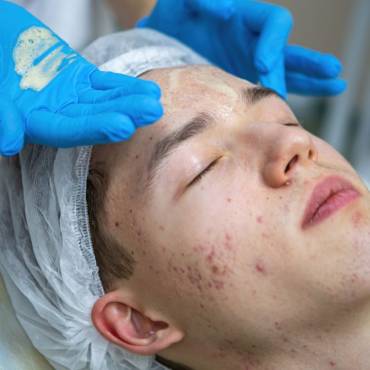
Taking care of skin is essential, but sometimes the natural way of caring doesn’t help much. Therefore, the dermatologist’s consultation is crucial; he will recommend a treatment plan that often includes topical formulations to treat skin problems.
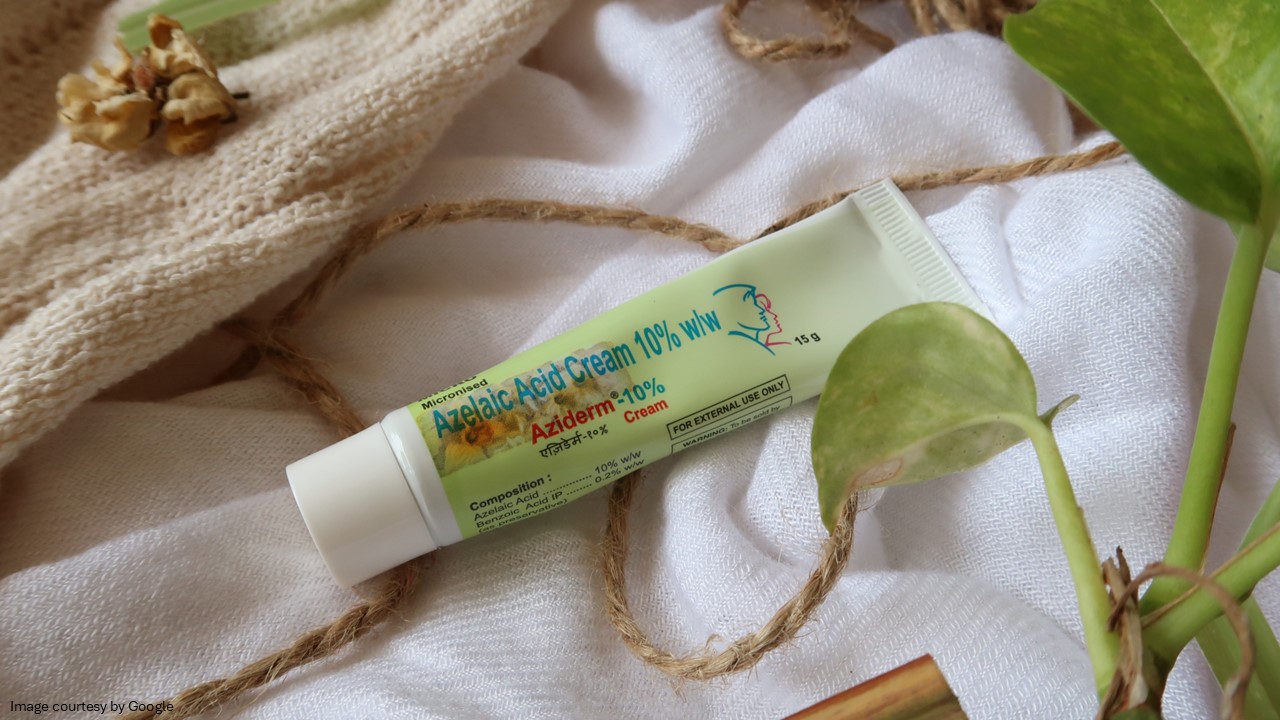
Aziderm cream contains azelaic acid, a well-known skincare ingredient with antimicrobial and anti-inflammatory properties. It targets acne, rosacea, pigmentation, and uneven skin tone while helping prevent future breakouts. Although it works effectively, it usually takes time to show results, which is why dermatologists may not always choose it as a first-line treatment for acne. Like most active ingredients, Aziderm can also cause dryness, peeling, or a mild burning sensation in some users.
This guide covers the uses, benefits, application instructions, and precautions you should know before trying Aziderm.
Aziderm cream benefits
Aziderm cream contains azelaic acid, a dermatologist-recommended ingredient used to treat various types of acne and help clear clogged pores, reduce inflammation, and promote faster skin healing. It also helps reduce acne irritation and minimize post-acne marks. It works through multiple mechanisms to improve skin clarity, reduce inflammation, and prevent future breakouts. Let’s find out how this medicinal formulation works:
- Unclogs blocked skin pores
Excess oil, dead skin cells, and bacteria can block pores and trigger acne. Azelaic acid helps:
-
- Break down the buildup inside pores
- Prevent the formation of whiteheads and blackheads
- Reduce the risk of new acne lesions forming
- Reduces inflammation and redness
Aziderm has strong anti-inflammatory properties. It:
-
- Soothes swollen, red, and irritated pimples
- Makes acne look less noticeable
- Helps reduce tenderness associated with inflamed lesions
- Kills acne-causing bacteria
Azelaic acid targets Cutibacterium acnes, the bacteria responsible for acne outbreaks. This helps:
-
- Lower bacterial growth on the skin
- Prevent worsening of active breakouts
- Promotes skin cell turnover
Aziderm encourages the skin to shed old cells faster and produce new ones. This results in:
-
- Faster healing of active acne
- Smoother skin texture
- Reduced the likelihood of clogged pores
- Lightens acne marks and pigmentation
Azelaic acid also reduces excess melanin production. With regular use, it helps:
-
- Fade dark spots (post-inflammatory hyperpigmentation)
- Even out skin tone
- Minimize scarring over time
- Helps in treating mild to moderate acne
Aziderm cream is especially effective for:
-
- Mild inflammatory acne
- Papulopustular acne
- Acne with pigmentation or post-acne spots
Dermatologists may also combine it with other treatments, depending on the severity of acne.
- Gentle and suitable for long-term use
Compared to other acne medications, azelaic acid is gentle and less likely to cause severe irritation. This makes it suitable for:
-
- Sensitive skin
- Long-term acne management
- People who cannot tolerate stronger treatments
Read More: Acne and oily skin
How to use Aziderm cream?
-
- Clean the affected area with mild soap and warm water; pat dry.
- Wash your hands, then apply a small amount of the cream to the acne-prone area and let it dry fully.
- You may apply other products afterwards; no need to cover the skin.
- Avoid strong astringents or deep cleansers, as they can irritate the skin.
Check ingredients and compare prices when purchasing Aziderm online.
Quick tips – Avoid astringents, harsh cleansers, or deep-cleaning products, as they may irritate your skin when used with azelaic acid. Your dermatologist may recommend using the cream once or twice daily, depending on your skin’s sensitivity.
How long does Aziderm take to work?
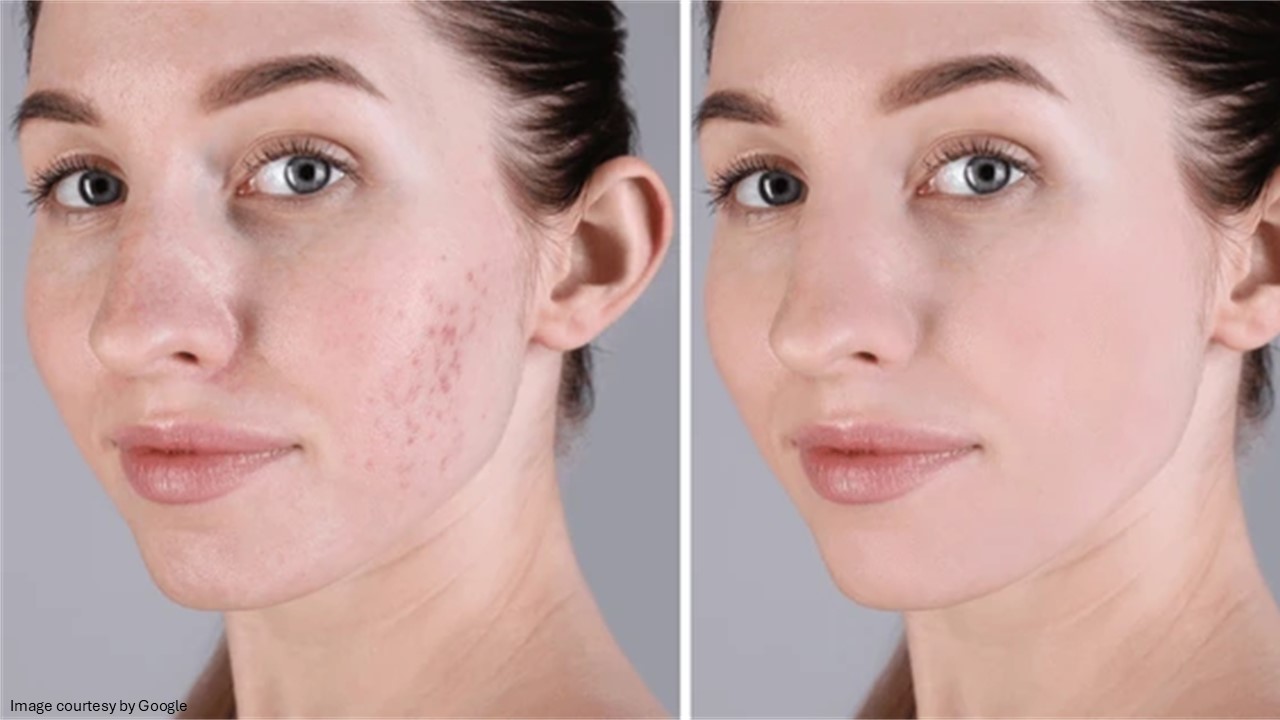
It takes several weeks to months for Aziderm to work, with noticeable improvement usually seen after about four weeks for acne. For rosacea, it may take up to three months. Full results depend on the individual’s condition severity, and it’s important to use the product regularly as directed by your doctor and not to stop treatment early.
Aziderm for acne scars
In addition to active acne, Aziderm 10% or 20% may also help with post-acne marks and mild scarring. By increasing cell turnover, it gradually fades discoloration and helps improve uneven skin texture. Since azelaic acid also reduces melanin production, it can be beneficial for people struggling with dark spots or persistent blemishes.
Some acne sufferers get confused and ask questions such as “Can I use Aziderm and tretinoin together?” So, the answer is yes! You can use Aziderm (azelaic acid) and tretinoin together, and the combination can be very effective for treating acne and hyperpigmentation. It is best to introduce them slowly, starting by alternating them on different nights, and always use a gentle cleanser, moisturizer, and sunscreen to protect your skin barrier and minimize irritation. Consult your dermatologist to determine the right strength, application frequency, and treatment duration for best results.
Aziderm for hyperpigmentation
Acne-related inflammation can leave dark spots called post-inflammatory hyperpigmentation (PIH). Aziderm helps slow melanin production, preventing discoloured skin from darkening further. Studies show that azelaic acid is effective in managing acne while reducing hyperpigmentation, making it suitable for people with uneven skin tone.
Aziderm cream for skin lightening
Because azelaic acid reduces melanin activity, it can lighten areas of skin that appear patchy, blotchy, or darker due to pigmentation. Older research supports its ability to brighten skin tone and improve discoloration with consistent use.
Aziderm for rosacea
Aziderm’s anti-inflammatory properties make it a helpful option for managing rosacea. It can gradually reduce redness, swelling, and the appearance of visible blood vessels, improving the overall look of sensitive, irritation-prone skin.
Possible side effects and precautions
Like any active skincare ingredient, Aziderm may cause:
-
- Mild burning or tingling
- Dryness
- Peeling
- Redness
Less common effects include swelling, blistering, hives, fever, or breathing difficulties. If these occur, stop use immediately and consult a doctor.
Sun protection is essential when using azelaic acid, as it may increase your skin’s sensitivity to sunlight. Choose an SPF 30 or higher and reapply regularly.
Aziderm may not work the same way for everyone. Compared with benzoyl peroxide, tretinoin, salicylic acid, or glycolic acid, it is gentler but usually slower to show results.
Read More: How Supatret Gel Helps To Fight Acne
Final thoughts!
Aziderm cream is a gentle yet effective treatment for acne, rosacea, hyperpigmentation, and uneven skin tone. Although results are gradual, research shows that azelaic acid is safe and highly beneficial for various skin concerns. For best results, follow your dermatologist’s instructions and use the cream consistently.