Possible heart symptoms you shouldn’t ignore!
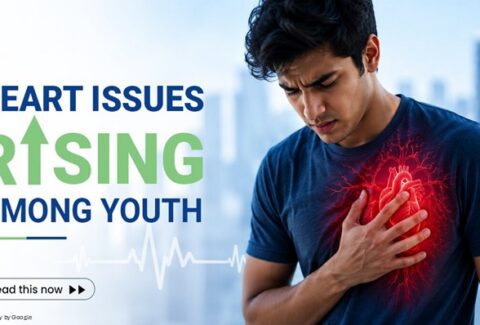
Signs of heart problems or heart disease symptoms are enough to create panic among many. In the U.S. alone, heart disease is responsible for about 1 million deaths every year. However, many still fail to recognize the symptoms of heart problems. This is because most heart problem symptoms are not as dramatic as they are portrayed in the movies. Also, people often confuse serious heart symptoms with heartburn, muscle soreness, or other non-cardiac causes.
It is important to understand that symptoms of a heart problem vary from person to person and by gender. People with various heart risk factors, such as high cholesterol, high blood pressure, obesity, diabetes, or a family history of heart disease, especially need to be well aware of the various possible heart symptoms.
Signs of poor heart health vs common heart attack warning signs
Signs of poor heart health and acute heart attack warning signs often overlap, including pain in the chest, chest discomfort, shortness of breath, fatigue, and pain radiating to the jaw or arm; they are not identical. Poor heart health is often a chronic, creeping condition; on the other hand, a heart attack is a sudden, acute emergency.
This page provides information on possible warning signs of heart problems or heart disease problems.
- Chest pain
Chest Pain and/or Pressure: Agonizing chest pain is definitely the most distinct symptom of a heart attack. This kind of chest pain can also be described as a feeling of fullness or tightness or as a severe burning sensation. In such a situation, one must call 911 and seek immediate medical attention.
- Fatigue:
Recognizing this particular heart symptom can be tricky, as most people feel fatigued at least occasionally. In a case where fatigue is experienced along with fever, it’s unlikely to be an emergency. However, the alarm bells should start ringing if one experiences fatigue without a clear explanation and if other symptoms, such as chest or jaw pain, accompany it.
Jaw pain:
Yes, jaw pain can be a tell-tale sign of cardiovascular trouble. However, this symptom is often accompanied by many others. Some of these include fatigue, shortness of breath, sweating, and neck, shoulder, and chest pain or discomfort. If you experience these symptoms, then ensure to call 911 right away, before your condition seriously deteriorates.
Sweat:
It is believed that, in comparison to the other symptoms of a heart attack, sweating makes people reach out for help much faster. As a matter of fact, sweating surprisingly ranks higher than chest pain in terms of getting people to the hospital. If one experiences excessive sweating for no apparent reason and also notices any of the above-mentioned symptoms, reach out for help immediately.
Shortness of breath:
Suddenly finding yourself unable to breathe is very alarming. Irrespective of whether it’s a sign of a heart attack or not, one must immediately call 911. In the case of a possible heart attack, one may struggle to breathe normally and may also experience other symptoms present on this list.

Pounding heart:
An increased pulse rate indicates that your heart is pumping faster. It could also be a sign that it’s having difficulty in pumping and is working harder to get enough blood to your body parts. Excessive strain on the heart that results in extreme pounding and a feeling of heaviness in the chest could be a sign of a possible heart attack.
Intense Anxiety:
At the time of a possible heart attack, a person may feel irrational anxiety. This is more like a sense of fear that something bad is about to happen, but the person is unable to justify this fear. In addition, if the concerned person feels dizzy, nauseous, sweaty, or clammy, they must immediately reach out for help.
Several people are under the impression that heart problems are not common among women and that men are more prone to having them. However, in reality, nearly half of those who die from heart attacks in the United States are believed to be women. Irrespective of which gender one belongs to, it is extremely essential to follow a good diet and exercise regimen to protect one’s heart from various diseases. If you fall in a high-risk category due to high blood pressure, obesity, etc., then the above-mentioned symptoms must be looked out for in order to prevent a possible heart attack. Any heart symptoms you shouldn’t ignore in order to stay safe, because a little delay can cause a threat to the life of a patient.
Natural ways to keep heart health healthy
Certain natural ways are believed to help manage heart health. Discuss with your doctor the best natural ways to keep your heart healthy. Some of the common ways are:
-
- Diet – Eating a heart-healthy diet is an important factor in supporting heart health.
- Get active – Stay active in the form you love. Some of the best ways to stay active include regular exercise, yoga, playing sports, and taking daily walks.
- Weight management – Managing body weight also supports health. Moderate weight per BMI is often considered best.
- Quit smoking – Staying away from smoking is critical when it comes to heart health. Quit smoking and avoid sitting around smokers.
- Health issues – Control your cholesterol, blood glucose levels, and blood pressure to keep signs of poor heart health at bay.
- Alcohol – Drink alcohol only in moderation when needed. The AHA (American Heart Association) and federal guidelines suggest moderate, lower-risk alcohol consumption to avoid heart problems is up to one drink a day for women and up to 2 drinks (30 ml) for men.
- Manage stress – Stress also plays a vital role in heart health. Indulging in your favourite hobby, spending time with family and friends, going on a vacation, playing games, and listening to soft music are some ways to naturally manage stress.
- Enough sleep – Getting enough sleep offers overall health benefits. A daily 7 to 8 hours of sound sleep is essential for everyone. So get this much sleep for a better life.