The strong urge to smoke can wear you down when you are trying to quit. Then, how to quit smoking now? This article helps you find out what can help with cravings and explore proven ways to quit smoking now.
Tips to say smoke-free
How do you quit smoking? Stopping smoking is the best thing you can do for yourself, and there are a range of services to help you succeed. The urge to smoke or tobacco cravings can be powerful. However, you don’t have to be at the mercy of these tobacco cravings. The moment the urge to use tobacco strikes, remember that it will be short-lived, and it probably will pass within a few minutes. If quitting cigarettes is difficult, you can also take smoking cessation aids to feel better.
Understand the effects of smoking and take that first step to resist a tobacco craving. The first and foremost thing to do is plan what you have determined. Yes, you have heard it right. Once you have decided to quit, the first step is to plan your approach. When you quit smoking, an alternative strategy will have to be introduced that replaces the satisfaction smoking has offered you in the past.
What are the methods of quit smoking? Here are a few quick tips to quit smoking now : –
• Mark a date on the calendar for stopping.
If you plan to cut down on smoking gradually, then it is a bad idea. Research shows that if you smoke fewer cigarettes than usual, you will smoke more of each cigarette, and thus the nicotine levels remain nearly the same. It is best to stop once and for all on a set date.
• Avoid obvious triggers
There will be situations where you get a strong urge to smoke, such as at a party or pub, while travelling or while watching television. Identify such trigger situations and make a plan to avoid them completely. Do not make a disaster plan for a smoking relapse. If you are used to smoking while you talk on the phone, then maybe carry a pen and paper nearby to occupy yourself with scribbling rather than smoking.
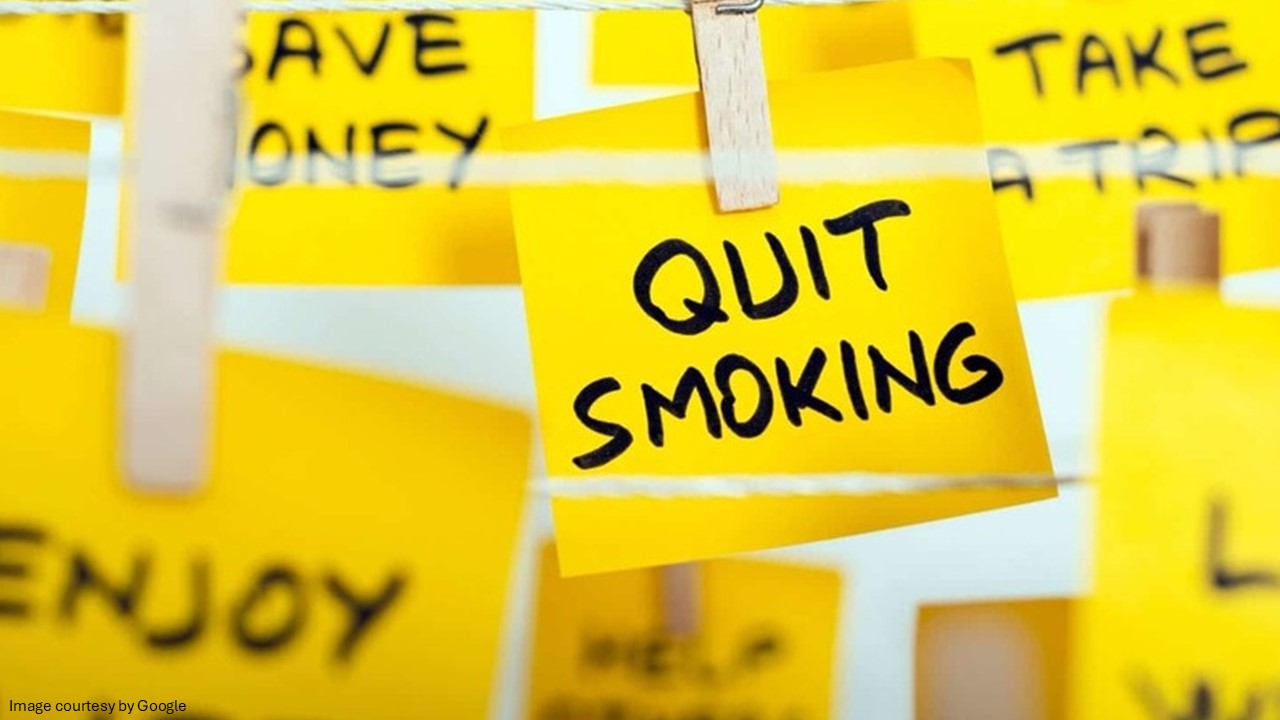
• Keep reminding yourself of the benefits of quitting.
Stick a piece of paper on your wardrobe or desk with the benefits of quitting in bold letters. You can write about feeling better, sparing your loved ones from secondhand smoke, getting healthier, or even saving money.
• Give your mouth a new addiction.
If you are missing the feeling of smoking, then give your mouth something to fight the tobacco craving. It could be chewing on sugarless gum or hard candy. Or if you are a foodie, then stack up raw carrots, nuts or biscuits‚ something tasty and satisfying.
• Say no to that ‘One Last Puff’ temptation.
• Your mind can play tricky games. The easiest way to quit smoking is to stay away from the ‘one last puff’ syndrome. Most of the time, it is difficult to fight against that logic, especially when that is the only thing on your mind. Do not give in. One puff will lead to another, and soon you will not be quitting, but smoking again.
Here are the substitutes that can be used when you get the urge to smoke.
• Stimulation: Take a brisk walk or engage in any form of physical activity you enjoy.
• Handling: play with a doodle or a rubber band, hold a hard candy, hold a pencil, or chew a cinnamon stick.
• Release tension: start counting, focus on something calming, and do deep-breathing exercises to calm your mind.
• Habit: Switch from your usual routine, and avoid situations that trigger smoking, such as drinking alcohol, coffee, doing what you love to do in the break area, and chatting on the phone for a long time. Vacant the table immediately after having lunch if you usually smoke after that. Cut the friend circle for some time if you smoke with particular people.
• Physiological: Drink plenty of water to flush the nicotine out of your body. Avoid caffeine, as this may increase the withdrawal symptoms.
• Nicotine replacement therapy (NRT): Nicotine replacement therapy is another method that people across the world have used to quit smoking.
NRT reduces the urge to smoke by allowing you to develop nonsmoking habits that keep you away from cigarettes. It keeps a small amount of nicotine in your system, so physical withdrawal symptoms are reduced, and you can wean yourself off cigarettes completely. NRT may not be suitable for everyone, so talk to your healthcare specialist to discuss the appropriate course of action.

Types of NRT medication
Currently, there are several different types of NRT medication. These include:
• Nasal patch – A nicotine patch is made to provide a steady dose of nicotine throughout the entire day. This involves a step-by-step process to reduce the dose gradually. In most cases, treatment lasts for about eight weeks.
• Nicotine gum – It is not an ordinary chewing gum. You chew it for a while, then park it between your cheek and the space below your teeth. This way, the nicotine is absorbed mostly in your mouth. The gum can be used for 1 to 2 hours by itself to control withdrawal symptoms, or it may be used as required for stronger carvings when used along with a nicotine patch. The over-the-counter medication lets you control the amount of nicotine you get. You can gradually lower the amount of gum you use. Most of such treatments last about three months.
• Nasal spray – The prescription-strength nasal spray offers quick doses of nicotine throughout the nose. Usually, the treatment lasts about 3 months.
• Nicotine inhaler – Nicotine inhaler should also be used under the guidance of a healthcare specialist. The prescription medicine offers quick doses of nicotine through the mouth. Generally, the treatment lasts for about 3 to 6 months.
Smoking cessation withdrawal symptoms
What happens if I quit smoking? Get ready for some crazy withdrawal symptoms. When you quit smoking, your body will undergo some drastic changes. Many of these changes are temporary due to the sudden withdrawal from nicotine in cigarettes. Most of the nicotine is eliminated from your body within 10 to 14 days, with the most severe feelings during the initial 2 to 3 days. This is going to be a life-altering decision indeed. When you suddenly stop smoking, you are bound to have symptoms like nausea, feeling sick all the time, headache, anxiety and irritability. Such symptoms can occur due to the lack of nicotine to which your body has become used. The common symptoms include:
• Headaches – This is due to changes in blood circulation to the brain, including arterial dilation.
• Fatigue – This may occur due to the stress of quitting smoking.
• Constipation or diarrhoea – Changes in stimulation of the bowels may cause episodes of constipation and diarrhoea.
• Changes in appetite – You will start liking your food more and want to eat more of it.
Takeaway!
Just tell yourself that you can do it, and you sure will. There are numerous ways to quit smoking, but you must think positively and make the right plan. Take help from a healthcare specialist and buy a few nicotine products that might aid the quitting process. If you make it through those hell days, you are most likely to emerge as a winner.