
Whether it’s home, work, hanging out, or travelling, we have to face dust and other airborne diseases. Staying at home or interaction with pets or a pet too can make us more prone to some other allergies because pets shed dander from their body, which is an airborne allergen and may put us in a clinical situation, which is often known as Rhinitis. It is a common condition, which creates irritation and inflammation of the mucous membrane inside the nose and may sometimes lead to stuffy nose, runny nose, and post-nasal drip.
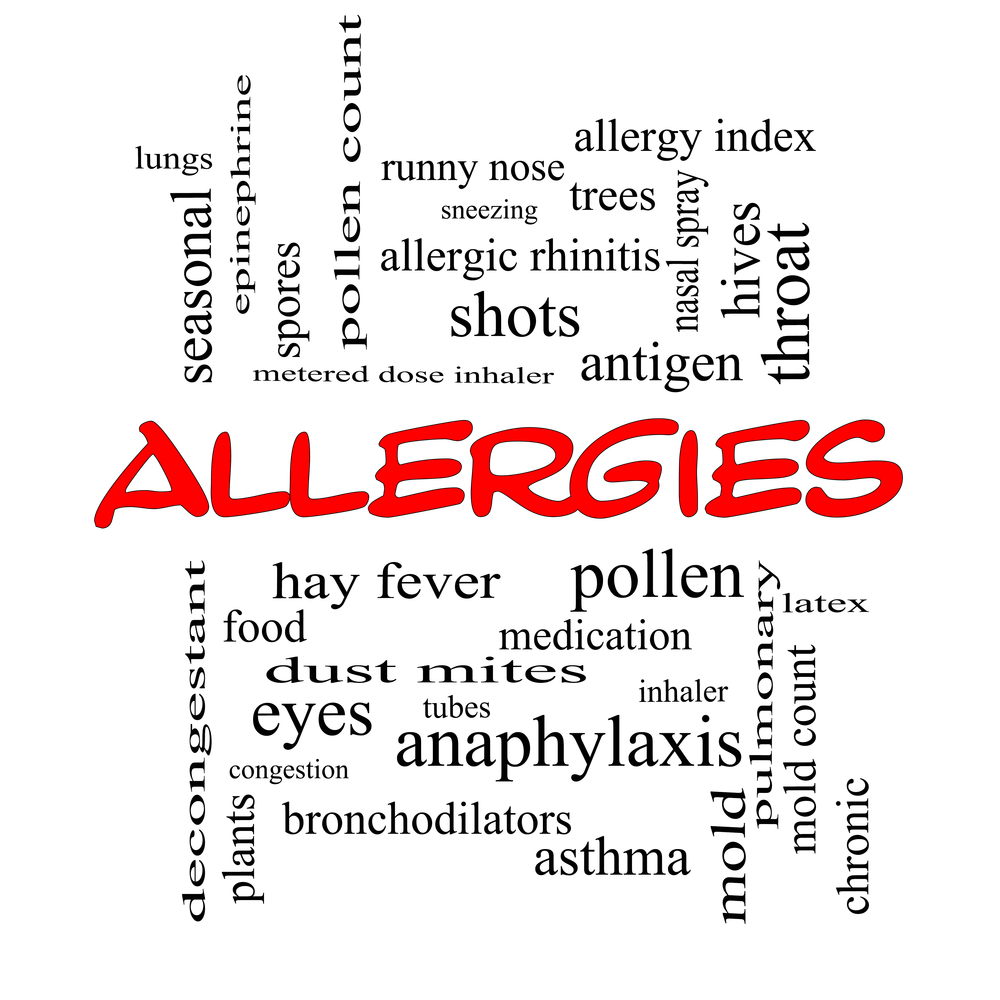
Basically, rhinitis can be classified into two common types, allergic and non-allergic. But the most common kind of rhinitis is allergic rhinitis, which is usually caused by airborne allergens like pollen (tree, grass, and weed), dust, flakes, and dander from certain animals. However, non-allergic rhinitis affects 19 million Americans that are triggered by environmental factors like certain odors or irritants in the air, changes in the weather, some medications, certain foods, and chronic health conditions.
Symptoms of allergic and non-allergic rhinitis:
Symptoms vary differently in both the types of rhinitis. An estimated 10% to 30% of American adults are affected by allergic rhinitis annually. Common symptoms such as sneezing, nasal itching, headache, coughing, fatigue, and cognitive impairment may trigger allergic rhinitis. Sometimes the allergens caused by the animals may also affect the eyes and leads to watery, redness, or itchy and puffiness around the eyes.
Whereas, non-allergic rhinitis symptoms may come and go and sometimes people may have constant symptoms that last for hours or even days too. Stuffy nose, runny nose, sneezing, and mucus in the throat are some of the common symptoms of this kind of rhinitis. Furthermore, this type of rhinitis doesn’t cause itchy nose, eyes or throat symptoms associated with allergic rhinitis such as hay fever.
Who’s at risk of getting attacked by rhinitis?
- Allergic rhinitis – People who are oversensitive to allergens along with a history of allergies in their family are more likely to develop allergic rhinitis. Moreover, environmental factors also play a major role in developing allergic rhinitis. Various studies have already shown that certain things may increase the chance of a child developing allergies like growing around secondary smoke and being exposed to dust mites or pets at a very young age. Furthermore, people who have an oversensitive immune system are also at high risk of getting attacked by allergic rhinitis.
- Non-allergic rhinitis – People exposed to irritants and older than the age of 20 are at risk of getting non-allergic rhinitis. Females (due to hormonal changes during menstruation and pregnancy) can also experience the allergy symptoms. Moreover, people who make prolonged use of decongestant nasal drops or sprays and those who already have certain health problems are more at risk of non-allergic rhinitis.
How to diagnose rhinitis?
After experiencing any of the symptoms, you may head towards your doctor or GP. Below are some of the tests that your doctor will perform:
For allergic rhinitis:
It is common that your doctor will ask you questions regarding any symptoms or triggers that have caused a reaction. Then, your doctor will examine the inside of your nose to check for nasal polyps. These are fleshy swellings that grow from the lining of your nose and can be caused by the inflammation that occur as a result of allergic rhinitis. Basically, allergic rhinitis is confirmed when medical treatment starts and if you respond well to antihistamines, then it is certain that your symptoms are caused by an allergy.
- Allergy testing – If the cause of allergic rhinitis is unknown, then your doctor may refer you to a hospital or allergy clinic for allergy testing. These include Skin prick test and blood test.
Non-allergic rhinitis:
This kind of rhinitis is diagnosed by the doctor after noticing your symptoms and ruling out other causes, especially allergies. There are no specific tests for diagnosing non-allergic rhinitis, but certain tests like skin and blood tests are normally performed to diagnose the same. In some cases, your doctor will recommend for you to have your nasal endoscopy and CT scan to rule out any problems caused by sinus.
What is the treatment of rhinitis?
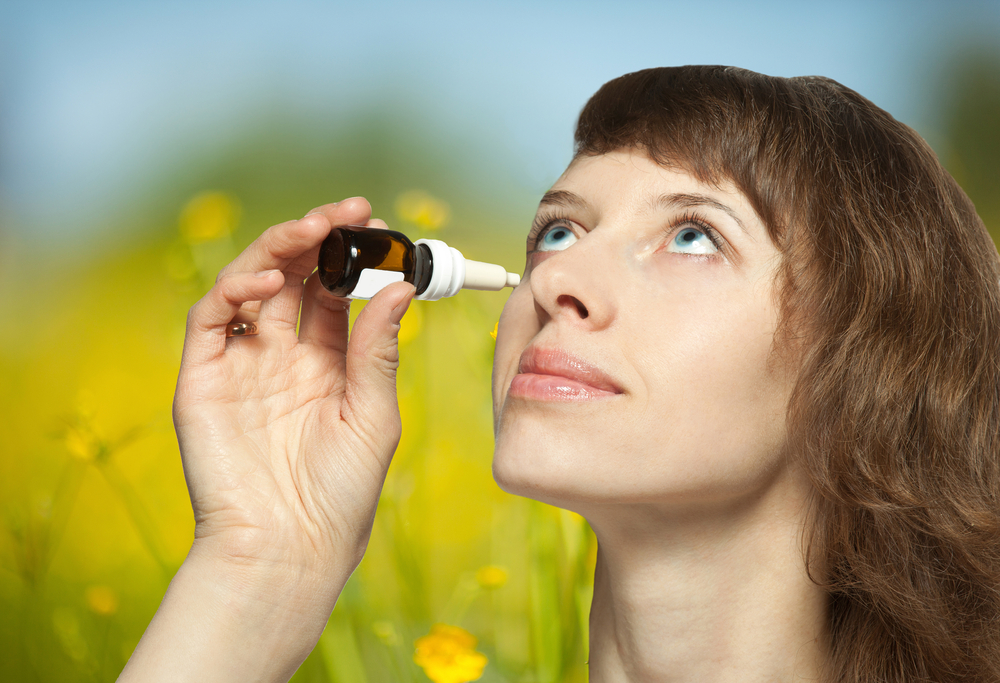
Treating rhinitis totally depends on how severe the symptoms are. Home treatment and avoiding triggers may be enough for mild cases, but for some cases symptoms, certain medications may provide relief, which include:
- Saline nasal sprays – These sprays are helpful in the effective treatment of rhinitis. You can avail these nasal sprays over-the-counter or from various online supplement stores. Saline nasal sprays help in flushing out nose irritants and help in thinning the mucus and soothe the membranes in your nose
- Corticosteroid nasal sprays – This type of nasal spray is recommended by your doctor only if the symptoms aren’t easily controlled by decongestants or antihistamines. These nasal spray types include Fluticasone or Mometasone. Corticosteroid medications help in preventing inflammation associated with some types of non-allergic rhinitis
- Antihistamine nasal sprays – Doctor may recommend antihistamine sprays such as Azelastine and Olopatadine Hydrochloride. These nasal sprays are very effective in reducing symptoms of non-allergic rhinitis
- Oral decongestants – These medications help in narrowing your blood vessels and also reduce the congestion in the nose. You can avail these oral decongestants from over-the-counter or by prescription. These drugs include Pseudoephedrine and Phenylephrine. Moreover, some of the possible side effects include insomnia, loss of appetite, high blood pressure, heart palpitations, anxiety and restlessness
- Immunotherapy – Immunotherapy is another type of treatment used for some allergies. This treatment is available for those who are suffering from certain types of allergies like hay fever, and is usually only considered if your symptoms are severe. Immunotherapy is the procedure, which gradually introduces more and more allergens into your body to make your immune system less sensitive to it.
Lifestyle and home remedies for rhinitis:
Below are some of the tips that may help you in reducing discomfort and relieving the symptoms. These are mentioned as follows:
For allergic rhinitis:
The best prevention or home remedies are to stay away from allergens that cause it. Below are few points that you may follow to avoid allergens:
- Stay away from house dust mites as dust is one of the biggest causes of allergies. You can stay away from house mites by regular cleaning your home including your pillows, curtains and old bedsheets.
- Keep your pets outside as much as possible and also limit their entry to your room
- Try to keep your doors and windows shut during mid-morning and early evening, when there is pollen in the air.
For non-allergic rhinitis:
- Blow your nose regularly and gently if mucus or irritants are present.
- Humidify your nose by breathing in steam from a warm shower to help loosen the mucus in your nose and clear your head of stuffiness.
- Try to keep yourself hydrated most times by having plenty of liquids like water, juice or non-caffeinated drinks
Also Read: Asthma: Prevention and Medication
Now that you know how allergies are caused, do share this blog. Also, post any questions that you may have.
Get useful health tips and remedies regularly, on your Facebook feed.

admin
Latest posts by admin (see all)
- Why Azelaic Acid should be your next skincare upgrade? - December 6, 2025
- Sildenafil Jelly – A Faster-Acting Alternative to Traditional ED Tablet - August 22, 2025
- Not Just Thirsty: Surprising Signs Your Body Is Dehydrated - August 8, 2025