What is Hormonal Acne? Treatment, Causes & Prevention!
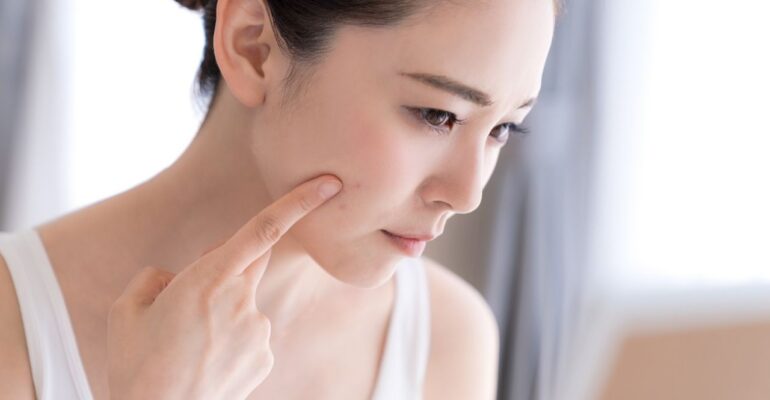
Hormonal acne develops when breakouts form in adulthood, ranging from blackheads and whiteheads to painful cysts. Acne is often associated with the overproduction of sebum, which clogs pores. Though often unavoidable, hormonal acne can be treated to prevent future breakouts from forming.
What is Hormonal Acne?
Hormonal acne, also known as adult acne, affects adults aged 20 to 50. Acne causes bumps on your face, neck, shoulders, and chest in the following forms: they appear as pimples, blackheads, whiteheads, and cysts. Hormonal acne results from excess sebum production in oil glands. The type of acne affects both men and women, but majorly affects women, pregnant women, and women going through menopause.
Also Read: How to Treat Hormonal Acne?
How Common is Hormonal Acne?
Acne is a common condition that affects 40 to 50 million people in the United States each year. The skin disorder is associated with multiple factors. Although it is mostly presented alone, it can also present with features of hormonal discrepancies.
What Causes Hormonal Acne?
What causes hormonal acne? This question itself suggests that “hormonal changes” cause unexpected acne. Hormonal acne occurs when hormonal changes increase the amount of oil your skin produces. The oil interacts with bacteria on hair follicles, leading to acne. The clogged pores cause acne that results in:
- Excess sebum (the oily substance created from the sebaceous glands in the middle layer of your skin.
- Bacteria
- Dead skin cells
Causes of hormonal acne that you can’t do anything about:
- Changing hormone levels in women, including around your period, irregular periods, during pregnancy, during menopause, or after discontinuing birth control, can be used to treat the condition.
- Men undergoing testosterone treatment
- Family history of acne
- Side effects of steroid drugs
- Pre-existing medical conditions (polycystic ovary syndrome), other ovarian conditions, and metabolic conditions.

ALSO READ: Things to know about Acne and Acne Scars
Does pregnancy cause hormonal acne?
When you are pregnant, hormonal fluctuations can bring acne breakouts. Often, acne improves as your pregnancy progresses. You should avoid several prenatal therapies, including topical retinoids and salicylic acid. Talk to your doctor about the safest treatment to reduce and eliminate acne during pregnancy.
What are the symptoms of hormonal acne?
Hormonal acne causes lesions that can become inflamed, red, painful, or sore. Lesions are most likely to appear on your cheeks but may also affect your face, neck, shoulders, back, chest and shoulders. Hormonal can appear as white, black, papular, pustular, and cystic lesions.
What can make hormonal acne worse?
Factors responsible for the worsening of acne:
- Pollution
- Stress
- High humidity
- Squeezing or picking pimples
- Poor diet (specifically refined carbohydrates and sugars)
How do I know if I have hormonal acne?
Hormonal acne is diagnosed during a physical examination by a dermatologist, who will look at the acne and assess contributing factors. This includes discussing the following:
- Stress and sleep habits
- Skincare products you use regularly
- Current medications you use
- Changes in your hormones due to a health condition
What are the treatment options?
How to treat hormonal acne? Hormonal acne treatment based on the severity of your acne; different treatment options are available to reduce sebum production, pimple formation, and painful inflammation:
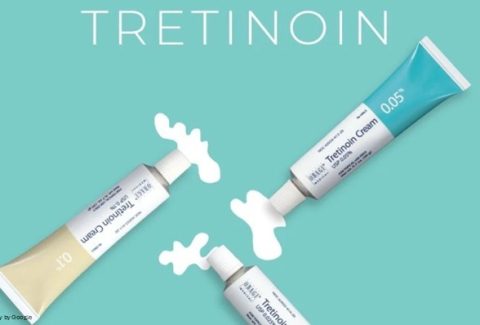
- Blackheads and whiteheads- Topical tretinoin
- Inflammatory acne- Topical retinoid, topical antibiotic or topical benzoyl peroxide
- Moderate to severe acne- antibiotic, and retinol
- Cystic acne- Steroid injections
Moreover, daily skin cleansing, birth control pills, dietary changes, and laser or light therapy can help improve hormonal acne. You can buy acne medicines online at the best price.
It is recommended to treat acne early to prevent breakouts from continuing, which could lead to permanent scarring.
How to get rid of hormonal acne?
Acne affects each person differently. It can last as little as a few days to as long as a few weeks. If left untreated, acne can persist for several months. Treating acne for every individual is different, but patience is key. In general, acne treatment could take up to four to six weeks to improve your skin after starting the treatment. Even if you do not notice that the anti-acne treatment is clearing your skin, it is suggested that you continue the treatment to prevent new acne from forming.
Though hormonal acne can be avoidable, there are several things you can do to reduce your risk of getting hormone-related breakouts:
- Make lifestyle modifications to reduce stress, get adequate sleep and eat a healthy diet
- Buy skin care products that won’t clog pores
- Discuss treatment options with your dermatologist for persistent acne.
Alldaychemist offers the best commonly prescribed acne products, including A Ret Gel 0.05% (20gm), Aziderm Cream 10% (15gm), Acnedap Gel 5% (15gm), and more. Choose the right product strength and form (e.g., cream or gel) to help you achieve the desired results.
Conclusion
Hormonal acne appears as lesions or bumps on your skin that can become red, inflamed, painful, and sore if left untreated. Moderate to severe, untreated acne can cause scarring where lesions form. If acne is not going away or worsening, it is recommended that you see a dermatologist.