
6 Easy Habits to Avoid Heartburn: Effective Heartburn Prevention Tips
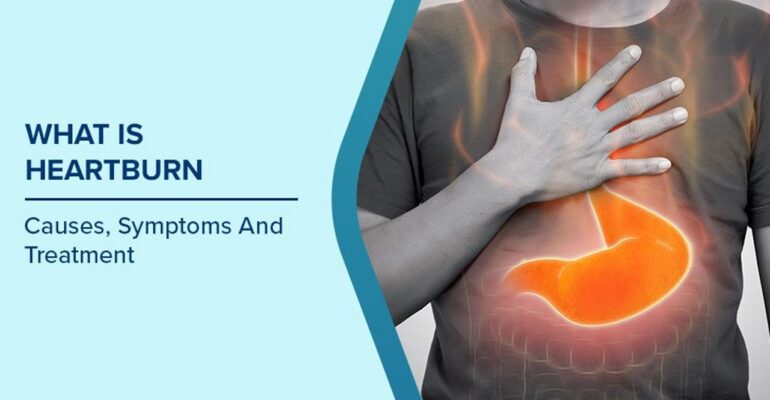
Heartburn is a common digestive problem that causes a burning sensation in the chest, often after eating. It occurs when stomach acid flows back into the esophagus, irritating its lining. This condition, also known as acid reflux, can be uncomfortable and may interfere with daily life if it occurs frequently.
While occasional heartburn is common, repeated episodes may indicate gastroesophageal reflux disease (GERD). The good news is that simple lifestyle habits and dietary adjustments can significantly reduce symptoms. Understanding heartburn causes, identifying foods that cause heartburn, and following practical heartburn prevention strategies can help manage this condition effectively.
In this guide, we’ll explore six easy habits that can help you prevent heartburn and provide useful heartburn relief tips for better digestive health.
Read More: Understanding what triggers melasma and how to avoid it.
What causes heartburn?
Before discussing how to avoid heartburn, it’s important to understand why it happens.
Heartburn occurs when the lower esophageal sphincter (LES), a muscle that separates the stomach from the esophagus, becomes weak or relaxes at the wrong time. When this happens, stomach acid can back up into the oesophagus, irritating it. Several factors contribute to heartburn causes, including:
• Eating large or heavy meals
• Consuming fatty or spicy foods
• Drinking caffeine or alcohol
• Being overweight
• Eating too close to bedtime
Certain dietary habits and lifestyle choices can worsen acid reflux symptoms, underscoring the importance of preventive measures to maintain digestive comfort.

6 easy habits for heartburn prevention
1. Identify and avoid foods that cause heartburn
One of the most effective ways to reduce heartburn symptoms is to identify trigger foods. Many people experience heartburn after eating certain foods that relax the esophageal sphincter or increase stomach acid secretion. Common foods that cause heartburn include spicy foods, fatty or fried foods, tomato-based sauces, citrus fruits and juices,
• Spicy foods
• Fatty or fried foods
• Tomato-based sauces
• Citrus fruits and juices
• Chocolate
• Coffee and caffeinated drinks
• Carbonated beverages
• Alcohol
These foods can either irritate the esophagus or slow digestion, increasing the risk of acid reflux. For effective heartburn prevention, try keeping a food diary to identify which foods trigger symptoms and limit them whenever possible.
2. Eat smaller and more frequent meals
Large meals can put pressure on the stomach and increase the risk of acid reflux. Eating smaller meals throughout the day is a simple habit that can significantly reduce heartburn symptoms. Research shows that acid reflux symptoms often worsen after large meals because these meals increase stomach pressure and weaken the oesophagal valve. To practice heartburn prevention, consider:
• Eating smaller portions
• Avoiding overeating
• Spacing meals evenly throughout the day
This habit improves digestion and reduces the likelihood of acid reflux.
3. Avoid eating late at night
Eating just before bedtime is one of the most common heartburn causes. When you lie down soon after eating, gravity no longer helps keep stomach acid in place, increasing the risk of reflux. Experts recommend waiting at least 3–4 hours after eating before going to bed to prevent acid reflux. If nighttime heartburn is a problem, try these heartburn relief tips:
• Eat dinner earlier in the evening
• Avoid late-night snacks
• Sit upright after meals
These simple changes can make a noticeable difference in reducing nighttime heartburn.
4. Maintain a healthy weight
Being overweight can increase pressure on the abdomen and stomach, pushing stomach acid upward into the esophagus. Studies show that excess belly fat can increase the risk of acid reflux and GERD due to increased abdominal pressure. Losing even a small amount of weight can significantly improve symptoms. For long-term heartburn prevention, try:
• Maintaining a balanced diet
• Exercising regularly
• Avoiding excessive calorie intake
Weight management not only reduces heartburn but also improves overall digestive health.
5. Wear loose clothing and avoid tight belts
Tight clothing around the waist may increase pressure on the stomach and trigger acid reflux. Items such as tight belts, waistbands, or other restrictive clothing can squeeze the stomach and push acid back into the esophagus.
For better heartburn prevention, choose:
• Comfortable, loose clothing
• Flexible waistbands
• Clothing that does not compress the abdomen
Although it may seem like a small change, it can help reduce digestive discomfort.
6. Practice simple heartburn remedies after meals
Some easy habits after meals can help neutralize stomach acid and prevent reflux symptoms.
Practical heartburn remedies include:
• Chewing sugar-free gum after meals
• Taking a short walk to aid digestion
• Drinking water to help clear acid from the esophagus
Chewing gum can increase saliva production, which helps neutralize acid and wash it back into the stomach.
These simple strategies provide effective heartburn relief tips without relying on medication.
Additional heartburn relief tips
Besides these six habits, a few extra strategies can help manage acid reflux symptoms.
1. Elevate your head while sleeping – Raising your head slightly during sleep can prevent acid from flowing back into the oesophagus.
2. Reduce stress – Stress can worsen digestive issues, including acid reflux. Relaxation techniques such as meditation or deep breathing may help.
3. Avoid smoking – Smoking weakens the esophageal sphincter and increases acid reflux symptoms.
4. Stay hydrated – Drinking adequate water throughout the day can support digestion and reduce esophagal irritation.
Doctor’s consultation
Occasional heartburn is usually harmless. However, frequent or severe symptoms may indicate GERD or another digestive disorder.
You should consult a healthcare professional if:
• Heartburn occurs more than twice a week
• Symptoms persist despite treatment
• You have difficulty swallowing
• You experience unexplained weight loss
Untreated acid reflux can lead to complications, including damage to the esophagus. Early diagnosis and treatment can help prevent long-term problems.
Read More: 7 Skin Care Tips for Summer
Final thoughts
Heartburn can be uncomfortable, but it is often manageable with simple lifestyle changes. Understanding heartburn causes, avoiding foods that cause heartburn, and following effective heartburn prevention habits can significantly reduce symptoms. By eating smaller meals, avoiding late-night eating, maintaining a healthy weight, and practicing practical heartburn remedies, you can improve digestion and prevent acid reflux episodes.
These heartburn relief tips will not only help reduce discomfort but also support long-term digestive health.