How Stress Affects Your Body?
Feeling some stress is quite normal and can even be helpful. It is said that the stress response can boost the energy and focus required for a test. But, no doubt, constant stress can affect your overall health. Therefore, it is important to recognise when you are feeling overwhelmed and to act to help you cope with the situation. This article will help you understand how stress affects the body, the symptoms of stress on the body, and beneficial stress management techniques.
Introduction
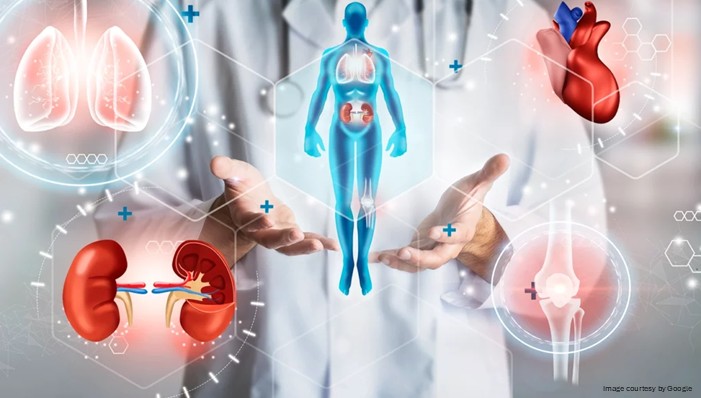
Stress and health problems: Stress can affect the body’s overall system, including the musculoskeletal, respiratory, endocrine, cardiovascular, nervous, gastrointestinal, and reproductive systems. Our bodies are designed to handle short-term stress, but when the stressful situation persists over the long term, it doesn’t usually show up dramatically. Most of the time, it slips quietly into your routine. Signs of too much stress encompass a broad range of emotional, physical and behavioural issues, which include anxiety, irritability, difficulty concentrating, insomnia, headaches, and chest pain. Your patience feels shorter. There’s a constant sense that something isn’t quite settled. Chronic stress often leads to muscle tension, digestive problems, and much more trouble for your overall health. The short and long-term effects of stress vary from person to person.

Effects of stress on the body
Check out these physical effects of stress on the body and find ways to manage stress levels effectively later in the article.
- Musculoskeletal system: What stress does to your body first? Whenever you get into a stressful situation, your muscles are the first to be affected. Tense muscles are the body’s way of protecting against injury and pain. The muscle often tenses up with a sudden onset of stress and releases its tension as the stressful situation passes. But tense muscles for a prolonged period may trigger stress-related disorders such as tension-type headache and migraine headache with chronic muscle tension in the areas of the neck and shoulder.
- Brain: When stressed, your brain will immediately send signals to the adrenal glands that are located above the kidneys. This signal triggers the adrenal glands to produce stress hormones such as adrenaline and cortisol. These hormones cause the heart to beat faster, blood vessels in the arms and legs to dilate, the respiratory rate to increase, the digestive process to change, and blood sugar levels to rise to handle the emergency. These chemical changes cause the body to shift its energy resources towards fighting off a life threat or fleeing from an enemy. Once the stress passes, the body tends to return to its previous unstressed state. Chronic stress over a prolonged period can cause wear and tear on the body. Moreover, continuous brain activation can lead to problems with other bodily systems.
- Heart: Short-term acute stress can increase heart rate and cause stronger heart muscle contractions, with stress hormones (cortisol, adrenaline, and noradrenaline) acting as messengers for these effects. Stress increases heart rate and blood pressure, making blood circulate more quickly. Constant stress can give rise to long-term problems for the heart and blood vessels. This ongoing increase in heart rate, elevated stress hormones, and high blood pressure can be risky. The ongoing stress for a prolonged duration can increase the risk of developing diseases like heart attack, hypertension, or stroke. However, in women, the risk for stress-related heart disease differs, depending on whether the woman is premenopausal or postmenopausal. This is because in premenopausal women, the estrogen levels are believed to help blood vessels respond better during stressful situations, thereby protecting them against heart disease. Due to the loss of estrogen hormone by postmenopausal women, there is a greater risk of being affected by stress and hence heart disease.
- Lungs: Stress can increase breathing rate to deliver more oxygen to muscles and tissues. For those without respiratory conditions, this is generally not a concern, as the body can manage the additional work to breathe normally. Still, psychological stressors can worsen breathing issues for individuals with pre-existing respiratory diseases such as asthma and chronic obstructive pulmonary disease (COPD). Stressful situations like the death of a loved one can trigger an asthma attack. Additionally, rapid breathing or hyperventilation due to stress can contribute to a panic attack in those who are prone to panic attacks.
- Liver: When someone faces a challenging, threatening or uncontrollable situation, the brain initiates a cascade of events that ultimately increases the production of the stress hormone called cortisol. The stress hormone increases the level of energy fuel available by mobilising fatty acids and glucose from the liver. During a stressful event, elevated cortisol levels can provide the energy needed to confront prolonged or extreme challenges.
- Stomach/intestines: Digestion decreases so that the energy required to break down food can be redirected to other parts of the body. Moreover, the intestines tend to form a tight barrier that protects the body from foodborne bacteria. Stress can weaken the intestinal barrier, allowing gut bacteria to enter the body. Although most of these bacteria are well handled by the immune system, which prevents us from getting sick, the constant low-grade need for inflammatory action can give rise to chronic, mild symptoms. Stress can specifically affect individuals with inflammatory bowel disease or irritable bowel disease.
Also Read: 5 Herbs to Fight Stress and Anxiety
Sweat glands
The stress condition in individuals experiencing pressure requires a healthy and regular diet, including important supplements; moreover, physical workout and mental rest are regularly advised for reversing stress-induced anxiety and disease.
Healthy tips to manage stress
These recent discoveries about the effects of stress on the body shouldn’t leave you worrying. The beneficial strategies for reducing stress response include:
- Engaging in regular aerobic exercise like running,
- Getting an adequate amount of sleep every night
- Maintaining a healthy social support system
These strategies help build a healthy lifestyle. In case you like to reach for additional support if you are dealing with extreme chronic stress, a psychologist may help you identify challenges and stressors that are contributing to your abnormal behaviour and find the best ways to cope with the symptoms of the stress on the body.
Medicines to manage stress
Consulting a doctor is important for taking any medicine for any health condition. AllDayChemist offers a wide range of medicines and products to help manage stress. Some common medicines are Atarax 10 mg, Atarax 25mg, among other pain relief medicines.
Final verdict!
Stress isn’t something you can eliminate from your life, and trying to do so usually creates more frustration. Paying attention to small signs gives you a chance to address them before they become something more serious. If it becomes bothersome, consult a healthcare professional and use medications under medical guidance.