
Heatwave effects on the body: Causes, symptoms, health risks and safety tips
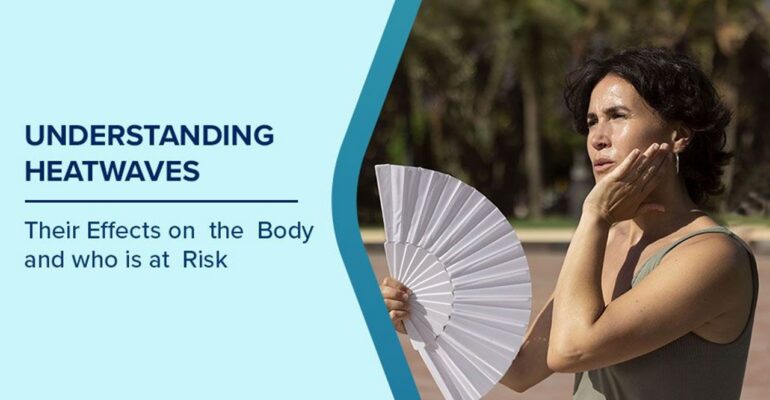
Heatwave effects on the body: Causes, symptoms, health risks and safety tips
Hot weather can affect anyone, but it’s more likely to cause serious harm to some people. Those who are more vulnerable, such as older people, infants, and young children, are advised to take extra precautions. Knowing how to prevent heat stroke and identifying signs of body overheating symptoms can help reduce serious health issues during hot weather.
Introduction
During extreme heat, it becomes difficult for the body to maintain its normal temperature. This can give rise to dehydration, heat exhaustion, or even life-threatening heatstroke if appropriate precautionary measures are not used. Understanding how heatwaves affect the body, who is more likely to be affected and how to protect yourself and prevent heat-related illness. Extreme heat is often considered more than a seasonal inconvenience by doctors and healthcare professionals. Staying in high temperatures for prolonged periods can affect the body in ways people often overlook. Dizziness, headaches, dehydration, breathing problems, and heat exhaustion are commonly occurring problems during severe summer conditions.
Heatwaves: An overview
A heatwave is a period of unusually hot days and nights, with heat conditions increasing in frequency, duration, intensity, and magnitude due to climate change. Even low- to moderate-intensity heat waves can affect vulnerable populations.
A few years ago, heatwaves were considered an uncomfortable part of summer by most people. But now, the scenario is completely different. The heat lasts for a prolonged period, evenings stay warmer, and even in the afternoon, getting out of the house can feel exhausting within a minute. People nowadays are making changes to their daily routines to cope with peak temperatures.
Major causes behind the increasing heatwaves
Well, several human-driven environmental factors are driving the increasing frequency of heat waves worldwide.
- Climate change & global warming: Climate is considered one of the most significant drivers of rising temperatures worldwide. Atmospheric gases primarily include carbon dioxide (CO2), methane (CH4), nitrous oxide (N2O), and fluorinated gases, causing long-term warming of the atmosphere. Industrial pollution, deforestation, vehicle emissions, and excessive use of fossil fuels have accelerated global temperature increases over the past few decades. Once the average temperature rises, extreme weather events such as heatwaves occur more frequently and become more severe.
- High-pressure weather system (or anticyclone): It is an area where atmospheric pressure is higher than the surrounding environment, causing sinking air (or subsidence). The sinking air compresses and warms, preventing cloud formation and contributing to calm, dry, settled weather accompanied by light winds. The longer the high-pressure system remains over a region, the hotter the environment becomes.
- Urban heat island effect: Urban regions tend to have higher temperatures than surrounding rural areas. This is because developed regions have concrete buildings, roads, and traffic pollution, while lower-lying green-belt areas absorb and retain heat throughout the day. This effect, often called the urban heat island phenomenon, causes cities to stay hot even at night.
- Deforestation: Trees are supposed to cool the environment naturally by providing shade and releasing moisture into the air. Large-scale deforestation and reduced greenery reduce the cooling effect, increasing local temperatures during hot weather.
- Dry conditions: Dry soil or drought often makes soil more vulnerable to heatwaves. Dry soil tends to absorb heat more quickly, leading to a rapid increase in summer temperatures.
Also Read: Symptoms and remedies of dehydration during summers
Recognising early signs of heat exhaustion is essential to prevent serious complications.
The symptoms of a heatwave quietly begin. Initially, some people may feel tired or lightheaded. During high temperatures, the human body naturally sweats to cool itself. In fact, excessive sweating could be an indication that the body is trying quite hard to regulate internal pressure. After a few hours, the same individual may develop serious dehydration or a stroke. Due to fluid loss through sweat, heat waves can quickly contribute to dehydration. Symptoms include dizziness, fatigue, increased thirst, headache, reduced urination, etc. Heat cramps or painful muscle spasms may also occur due to fluid and electrolyte loss. Heat exhaustion hits when the body overheats and cannot cool properly. Symptoms of heat exhaustion include heavy sweating, weakness, light-headedness, rapid heartbeat, nausea, and cool, pale skin. If left untreated, heat exhaustion can progress to heatstroke.
Furthermore, a severe medical emergency, such as heatstroke, may occur when body temperature rises dangerously high. Warning signs include hot, dry skin; high body temperature; confusion; rapid pulse; and loss of consciousness. Immediate medical attention is required as heatstroke can progress and lead to damage to vital organs and become ultimately fatal. In the meantime, the good news is that most health issues associated with extreme conditions can be prevented by timely precautions and a better understanding of how high temperatures affect the body.
Also Read: Not Just Thirsty: Surprising Signs Your Body Is Dehydrated
Hidden health risks linked to heatwaves
Extreme heat affects far more than comfort levels. It can place significant stress on several organs and body systems, particularly in people already managing health conditions.
The cardiovascular system is especially at great risk. The heart must function harder and maintain appropriate blood flow. For those suffering from high blood pressure or existing heart disease, this added strain on the heart may increase the risk of complications.
Breathing-related issues also become common in extreme heat. Pollution levels also increase during heatwaves, and this poor quality may worsen respiratory conditions such as asthma and bronchitis. Many people complain of increased chest discomfort or shortness of breath during the extreme heat season.
Severe dehydration may also affect kidney function. Losing body fluids in excess without proper replacement can interfere with the body’s functions and place an extra burden on the kidneys.
One aspect that is often overlooked is the effect of heat on sleep and mental well-being. Sleeping in extremely hot conditions can become difficult, and poor sleep contributes to irritability, low concentration, increased stress, and daytime tiredness.
Older adults and children are generally at high risk, as their bodies are less efficient at adjusting to sudden changes in temperature. Pregnant women and outdoor workers are also likely to experience more rapid exhaustion during heatwaves.
Habits that help during a heatwave
Some people sometimes think that staying safe is not true at all. The fact is that simple habits often make a huge difference. Check out these extreme heat safety tips:

- Drinking water regularly throughout the day during high temperatures is one of the easiest and most effective precautions. During very hot weather, the body needs fluids more frequently than usual. Waiting until intense thirst appears is not always the best approach because dehydration may already be developing by then.
- Avoiding direct sunlight during peak afternoon hours can also help reduce stress on the body. Even shifting outdoor activities to early morning or evening can make conditions more manageable.
- Clothing choices play a crucial role. Wearing loose, breathable fabrics generally feels more comfortable in extremely hot weather because they allow better airflow. Light-coloured clothing may also reduce heat absorption when worn outdoors.
- It is important to keep indoor spaces cool during long heatwaves. Ensure the curtains are closed during the hottest hours to improve ventilation. Also, using fans and taking cool showers can help the body recover from prolonged heat exposure.
- What you eat can also affect your energy and hydration. Heavy meals often feel uncomfortable, especially in hot weather. Whereas fruits and lighter foods may feel easy to digest. Prefer eating water-rich foods, such as oranges, watermelon, cucumber, and yoghurt, which are commonly preferred during summer because they naturally support hydration.
- Checking on family members and older neighbours during heatwaves is also important. Many heat-related emergencies happen quietly, particularly among individuals living alone.
Also Read: 7 Skin Care Tips for Summer
As hotter summers become more common worldwide, people should be mindful of the effects of heat on the body. Learning to manage extreme heat is no longer optional. It has become an important part of protecting overall health and well-being.